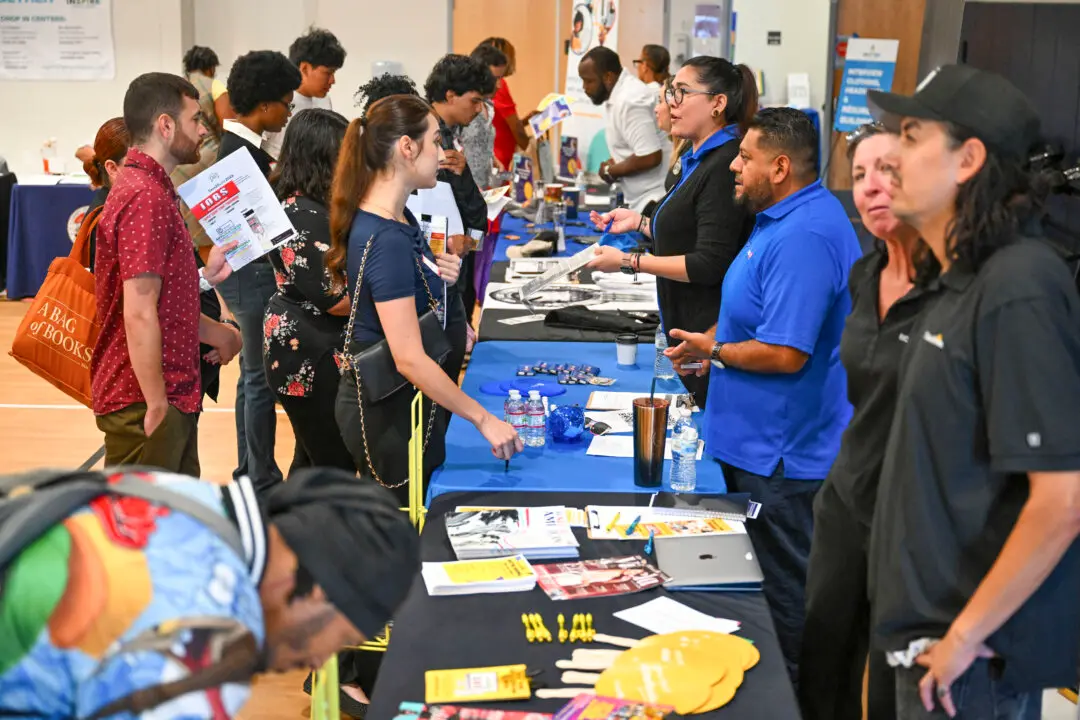
Employment growth was revised lower in the year that ended in March, indicating a weaker labor market that began before President Donald Trump’s trade agenda.
The annual benchmark revisions use more comprehensive data from the Quarterly Census of Employment Wages. By using this information, bureau officials can eliminate inaccuracies, correct biases, or rely on more comprehensive data from more than 11 million businesses.
The final report, which will face further revisions, will be released in February 2026.
In recent years, the report has revealed sizable downward adjustments in employment data.
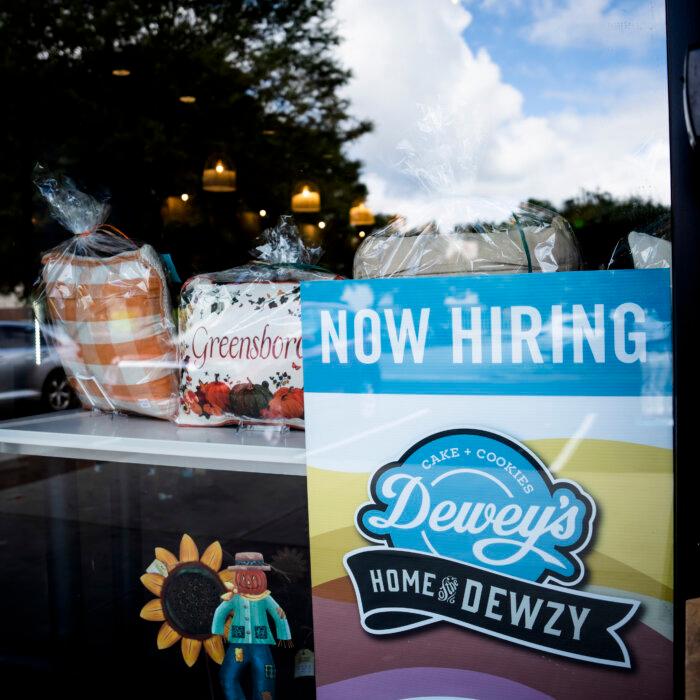
Revisions have become a considerable issue at the federal agency.
Deteriorating data quality has been a cause for concern among economic observers, as employment figures can affect numerous aspects of the broader economy, from monetary policy to the stock market.
Experts cite a range of factors, including limited survey participation, reporting delays, and outdated statistical models, as contributing to the bureau’s challenges in producing consistently accurate employment data.
Stephen Miran, head of the White House Council of Economic Advisers and Federal Reserve Board nominee, said that the bureau needs “an overhaul and fresh pair of eyes.”
“There’s two issues at play. One is declining response rates over time, and two is an inability—refusal—to do something to correct those declining response rates,” Miran said at last week’s confirmation hearing before the Senate Banking Committee.
“BLS leadership did nothing to arrest the deterioration in data quality.”
Labor Secretary Lori Chavez-DeRemer said the latest numbers give “the American people even more reason to doubt the integrity of data being published by BLS.”
“Considering these reports are the foundation of economic forecasts and major policy decisions, there is no room for such a significant and consistent amount of error,” she said. “It’s imperative for the data to remain accurate, impartial, and never altered for political gain.”
Jobs and the Fed
Economists are now examining the overall labor market.“The labor market is coming to a standstill as businesses slow the pace of hiring and await clarity on tariffs and Fed policy,” Jeffrey Roach, chief economist at LPL Financial, said in a note emailed to The Epoch Times.
This will likely prompt the Federal Reserve to lower interest rates at the policy meeting later this month, Roach noted.
“The labor data is probably not weak enough for the Fed to cut by 50 basis points given inflation persistence, so as of now, our expectations are for a 25 basis point cut,” he said.
“This unusual situation suggests that downside risks to employment are rising,“ Powell said. ”And if those risks materialize, they can do so quickly in the form of sharply higher layoffs and rising unemployment.”
The rate-setting Federal Open Market Committee will hold its policy meeting on Sept. 16 and 17.
Because the revisions were widely anticipated, there was little movement on Wall Street.