According to the Bureau of Labor Statistics, headline inflation held steady at 2.7 percent for the second consecutive month.
Core inflation—which excludes volatile food and energy prices—climbed to 3.1 percent year over year, up from 2.9 percent in June and slightly above forecasts.
The consensus forecast among economists was an annual inflation rate of 2.8 percent and a core inflation rate of 3 percent.
On a monthly basis, the consumer price index (CPI) rose by 0.2 percent, easing from June’s 0.3 percent increase. Core CPI also increased by 0.3 percent on a monthly basis.
Both readings were in line with the consensus estimate.
The index for shelter rose by 0.2 percent, “and was the primary factor in the all-items monthly increase,” the bureau said in a statement. The rent of primary residence—a tracker of contract rents paid by tenants—climbed 0.3 percent.
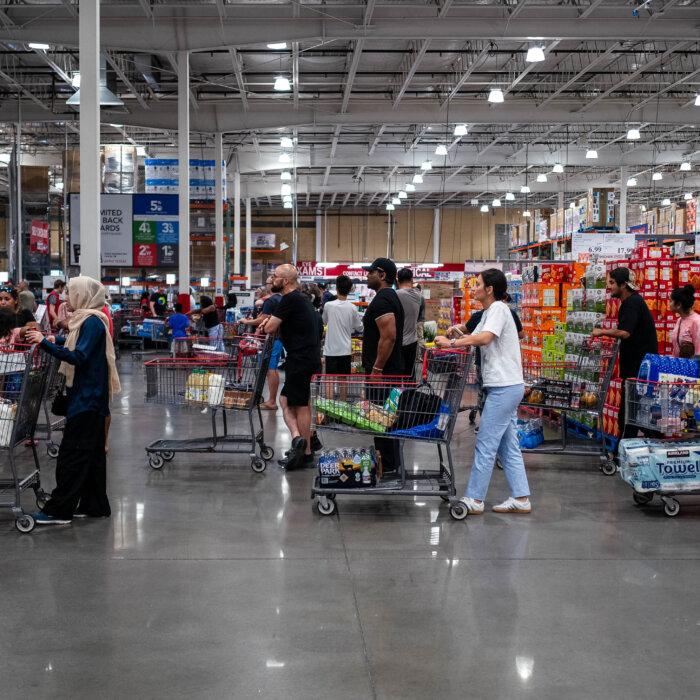
The food index was flat as supermarket prices declined by 0.1 percent. Food away from home—full-service restaurants and fast food—increased by 0.3 percent.
Egg prices, which have eased in recent months following a spike earlier in the year, declined again by 3.9 percent.
Following the 0.9 percent increase in June, the energy index declined by 1.1 percent, fueled by a 2.2 percent decrease in gasoline. Electricity costs also dipped by 0.1 percent.
This was widely expected as crude oil prices have come down significantly since the peak during the Israel–Iran conflict. Year to date, the price of a barrel of West Texas Intermediate oil has fallen by almost 12 percent to below $64.
On the services front, prices for both medical care and transportation increased by 0.8 percent last month.
Regarding tariff-sensitive items, the July CPI report suggested little impact from the president’s global trade agenda.
New vehicles came in at 0 percent, while used cars and trucks swelled by 0.5 percent. Apparel ticked up by 0.1 percent.
Additionally, smartphones were unchanged, televisions rose by 0.5 percent, toys inched higher by 0.2 percent, and appliances fell by 0.9 percent.
Higher tariff rates were imposed on nearly 70 countries last week, ranging from 10 to 41 percent.
Market Reaction
Wall Street was relieved following the July inflation data, with the blue-chip Dow Jones Industrial Average and the tech-heavy Nasdaq Composite Index rising by about 0.4 percent before the opening bell.The U.S. Treasury market was mostly in the red. The benchmark 10-year yield dipped below 4.27 percent.
The U.S. dollar index, a measure of the greenback against a weighted basket of currencies, fell by about 0.2 percent. This year, the index has slumped by more than 9 percent.
“As the battle continues over whether or not tariffs will lead to persistent inflation, this month’s report did nothing to convince anyone,” Chris Zaccarelli, CIO for Northlight Asset Management, said in a note emailed to The Epoch Times.
Pausing or Cutting
The Federal Reserve maintains a dual mandate of maximum employment and price stability.For months, Fed Chair Jerome Powell and his colleagues have stated that the twin mandate could be under threat simultaneously because of the Trump administration’s tariff plans.
Fed officials have presented conflicting assessments of the broader economic landscape since the July meeting.
Speaking at an Aug. 9 bankers conference in Colorado, Fed Vice Chair for Supervision Michelle Bowman, who was a dissenting voice, urged the institution to lower interest rates to protect against a deteriorating labor market.
Atlanta Fed President Raphael Bostic still expects one rate cut this year, citing the need to determine the effects of the Trump administration’s tariff policies.
Rising inflation could force the Fed to keep monetary policy tighter for longer, says Jay Woods, chief global strategist at Freedom Capital Markets.
“Elevated inflation could delay expected rate cuts, especially if wage growth and service-sector price pressures persist. It could also cause recessionary and stagflation talk to grow louder,” Woods said in a note emailed to The Epoch Times.
At the same time, if inflation keeps coming in line with market estimates or proves to be softer than expected, the odds of a rate cut will become more pronounced.
Looking ahead to August inflation numbers, early estimates suggest an uptick.
“Progress toward the 2 percent inflation target had stalled out early this year, but inflation has started to pick up again in recent months,” Greg McBride, chief financial analyst at Bankrate, said in a statement to The Epoch Times.
“With more tariffs in the pipeline, the likelihood is that inflation will move higher before it moves lower.”
Monetary policymakers and investors will also pay close attention to two more datasets this week.
The next key inflation report will be the producer price index (PPI)—a pipeline inflation indicator that measures prices paid for goods and services by businesses—for July. The consensus estimate suggests a 0.2 percent monthly increase. The Core PPI, which strips out volatile energy and food components, is also projected to rise by 0.2 percent.
The Bureau of Labor Statistics will also release import and export prices at the end of the week. Early forecasts project a flat reading for import prices and a 0.2 percent jump in export prices.