President Donald Trump’s additional 25 percent tariff on India became effective at midnight on Aug. 27, bringing the total rate to 50 percent on many imports entering the United States.
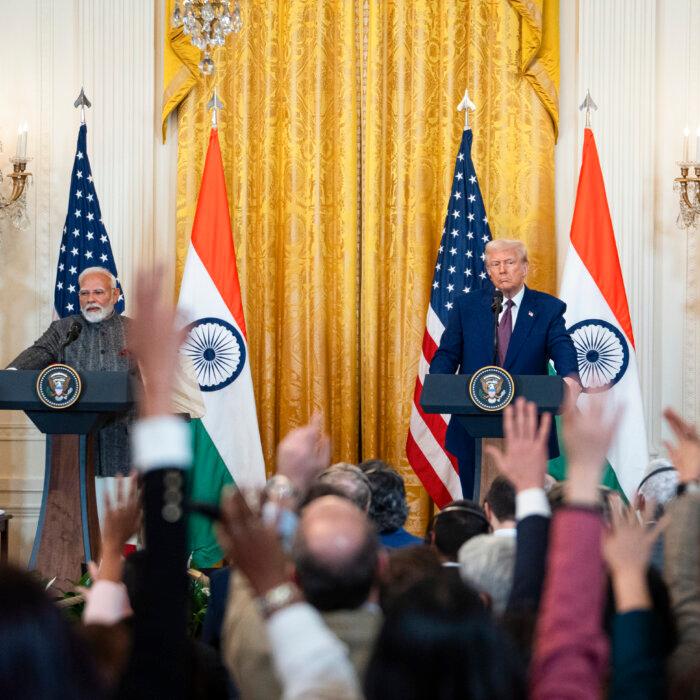
The president, in his global tariffs announcement in April, introduced a 26 percent levy on Indian goods, aimed at pressuring the Indian government to lower its trade barriers. Months later, the rate was revised slightly lower to 25 percent.
Since Russia invaded Ukraine in 2022, India has been one of Russia’s most significant trading partners, with annual bilateral trade reaching almost $69 billion.
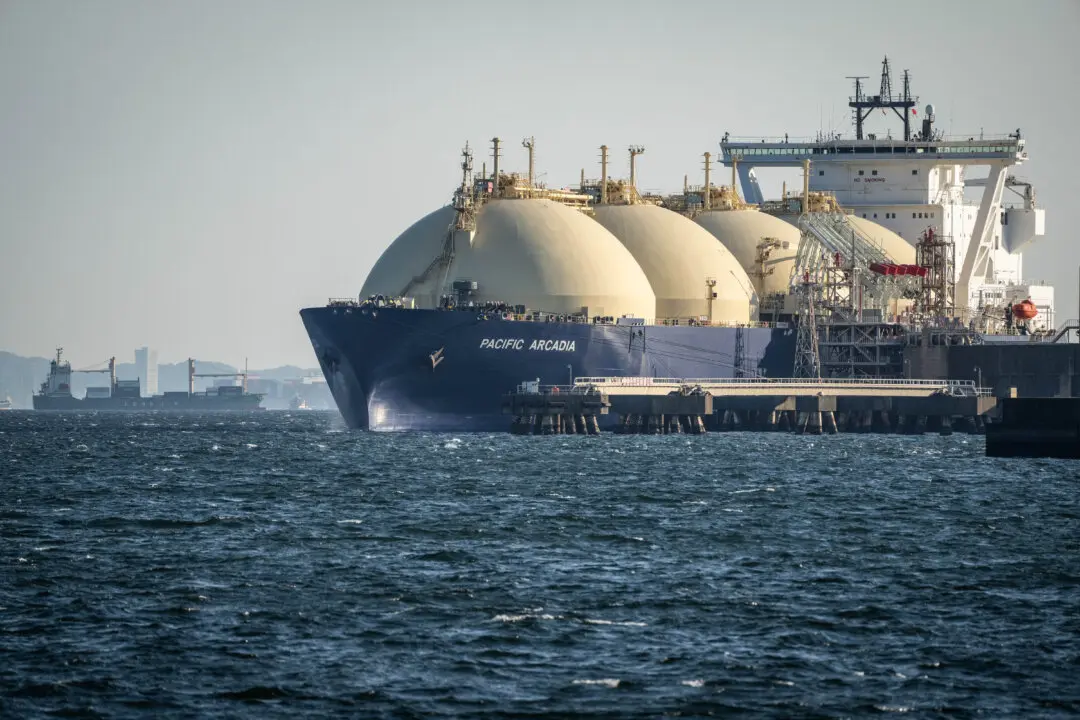
Energy has been the primary product uniting the two countries for the past few years.
In December 2024, the Group of Seven (G7) introduced a price cap of $60 per barrel on Russian Urals crude to reduce the country’s oil revenues. Because global oil prices have declined—a barrel of U.S. West Texas Intermediate crude oil is trading at roughly $64 per barrel—the discount has become minimal.
U.S. officials say that India’s continued transactions are funding Russia’s war effort in Ukraine.
In an Aug. 4 Truth Social post, Trump said India has been exploiting discounted Russian crude to sell it “on the open market for big profits.”
“They don’t care how many people in Ukraine are being killed by the Russian War Machine,” he said.
India’s government has dismissed these criticisms, stating in a response to The Epoch Times that these purchases are aimed at providing its nearly 1.5 billion population with affordable energy.
“In this background, the targeting of India is unjustified and unreasonable,” a spokesperson for the Indian Foreign Ministry said.
White House top trade adviser Peter Navarro echoed the president’s sentiment, telling reporters this past week that India has been “profiteering” on the war in Ukraine.
“India doesn’t appear to want to recognize its role in the bloodshed,” Navarro said on Aug. 21.
He also said India’s current trade policies are detrimental to the United States.
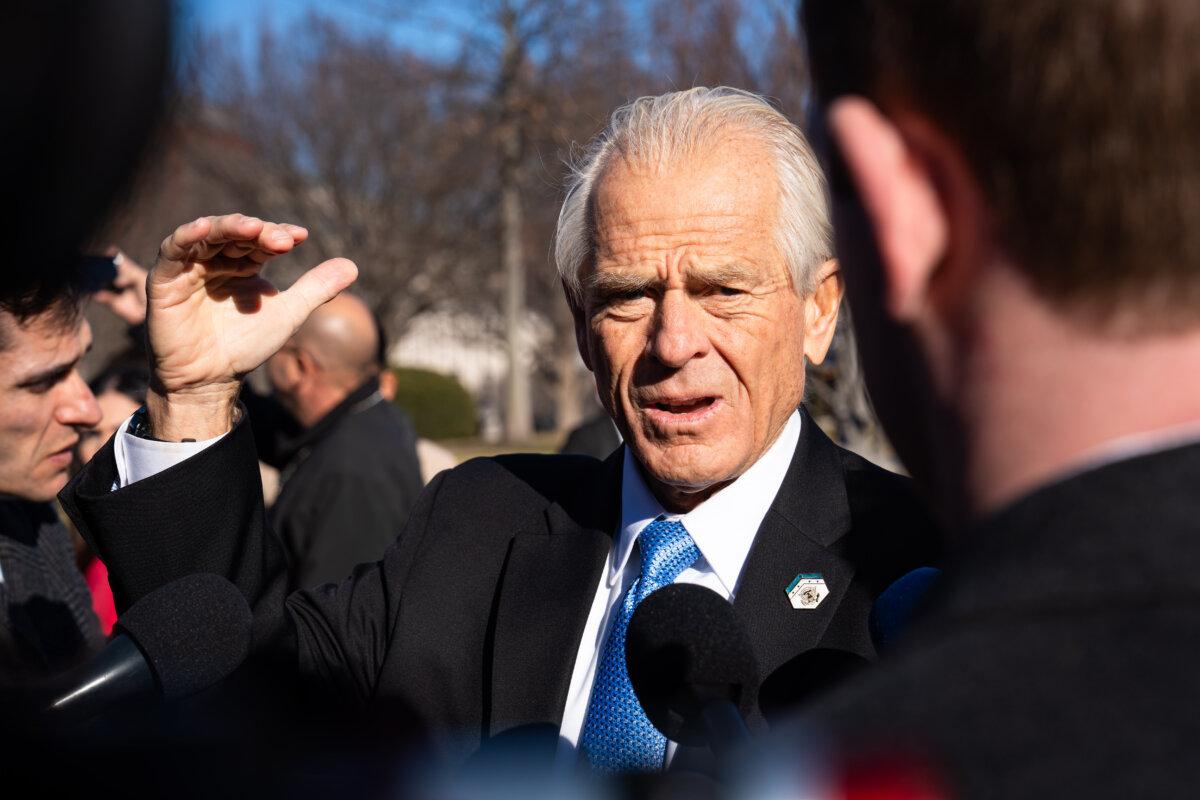
“We run a massive trade deficit with them. So that hurts American workers, hurts American businesses,” Navarro said.
“Then they use the money that they get from us when they sell us stuff to buy Russian oil, which is then processed by refiners, and they make a bunch of money there. But then the Russians use the money to build more arms and kill Ukrainians, and so American taxpayers have to provide more aid, military-style, to the Ukrainians.”
Trade Moving Forward
New tariffs are expected to disrupt the more than $200 billion in annual U.S.–India trade. A modest drop in imports of Indian goods was observed in the latest data.“Trade uncertainty remains high, however, as U.S. importers evaluate their supply chains in the face of the August 1 implementation of reciprocal duties on over 60 countries, the August 7 start of India-specific tariffs and the universal copper tariff, and the October 15 expiration of the U.S.–China tariff truce,” Jackson Wood, director of industry strategy at Descartes, said in a statement.
The state of trade negotiations remains unclear after a planned visit by a U.S. trade delegation to New Delhi this week was canceled.
“We have some redlines in the negotiations, to be maintained and defended,” he said. “It is our right to make decisions in our ‘national interest.’”
ING economists warn that India’s growth prospects are uncertain amid potential trade strife.
The consensus forecast suggests that India’s economy expanded by 6.6 percent in the second quarter, down from the 7.4 percent growth rate in the first three months of 2025.
Policymakers are using the current trade situation with the United States as a measure to employ domestic reforms, such as changes to the goods and services tax. The government might also be hedging its geopolitical bets as leaders attempt to enhance relations with China.
Indian Prime Minister Narendra Modi is scheduled to meet with Chinese leader Xi Jinping later this week on the sidelines of the Shanghai Cooperation Organisation. This will be Modi’s first visit to China in seven years.
According to Joe Maher, assistant economist at Capital Economics, a 50 percent tariff “would be large enough to have a material impact on [gross domestic product] growth” for India.