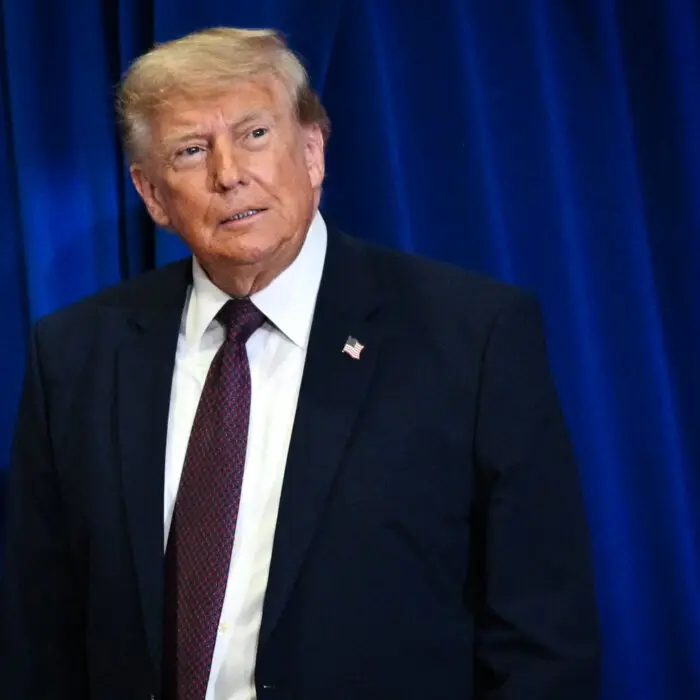
President Donald Trump urged the Senate to pass the Clarity Act—a key cryptocurrency bill—“in honor” of Sen. Lindsey Graham (R-S.C.).
The bipartisan crypto legislation, which establishes a comprehensive market structure for the industry, has been stuck in limbo since passing the House last summer.
Trump said it’s time for the upper chamber to act.
“In honor of Senator Lindsey Graham, a big supporter, the U.S. Senate should pass the Clarity Act,” the president said in a July 13 Truth Social post.
He said that China and other countries aim to “take complete and total control of the major financial ‘happening’” and artificial intelligence.

The Clarity Act defines digital commodities, provides primary oversight to the Commodity Futures Trading Commission, and establishes consumer protections.
In May, the Senate Banking Committee approved the bill 15–9; two Democrats joined Republicans to advance the legislation to the floor.
July 4 was the White House’s informal goal for passage. With the Aug. 7 recess on the horizon, it’s unclear whether there is enough time to advance the bill.
Regulatory Framework
Treasury Secretary Scott Bessent urged lawmakers to “get behind” the Clarity Act this summer.
“It’s very necessary to bring U.S. best practices onshore, and we work tirelessly in terms of custodying these assets and making the United States the innovation capital of the world,” Bessent said during a Senate Finance Committee hearing last month.
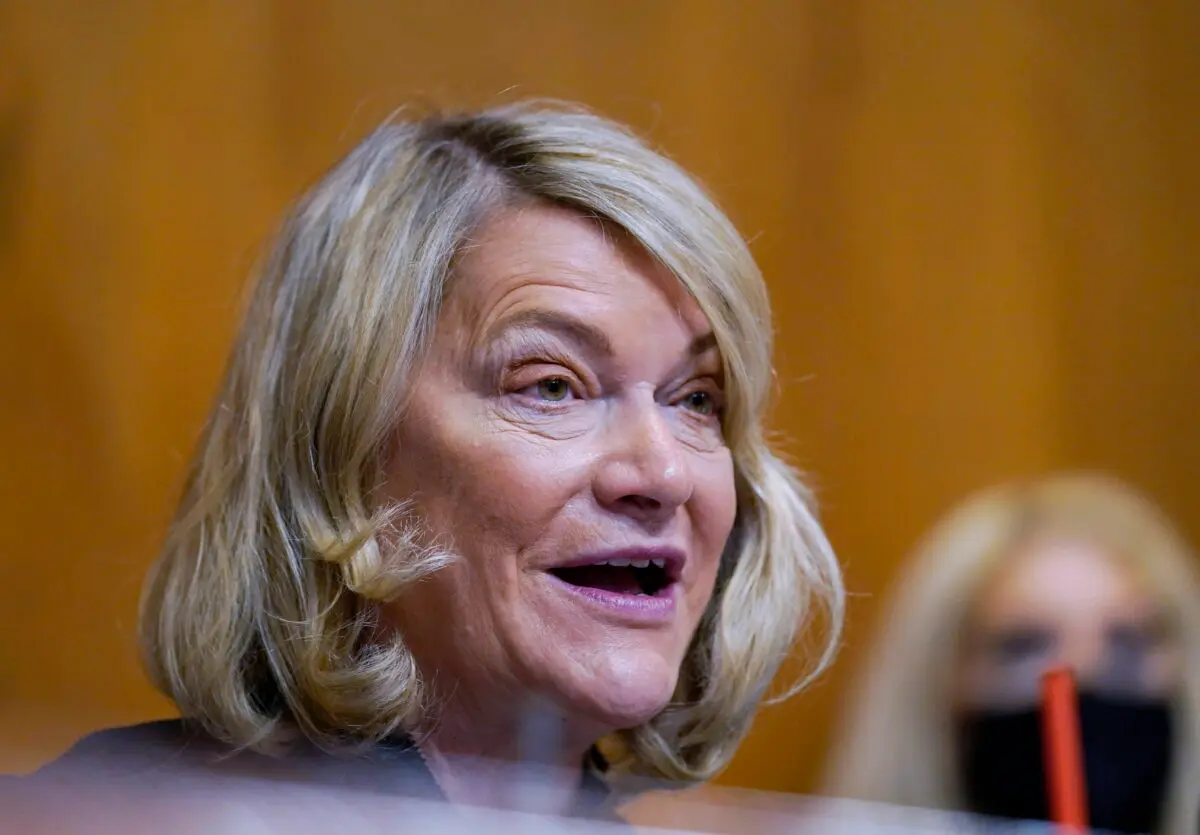
Sen. Cynthia Lummis (R-Wy.) warned that the clock is running out to move forward with the Clarity Act.
“The Clarity Act is the closest Congress has ever come to real digital asset market structure,” Lummis wrote in a July 11 X post. “Momentum like this will not come around again this decade.”
Days earlier, she said this was likely Congress’s “last chance” to pass the legislation, meaning it could take another decade for the U.S. digital-asset economy to catch up.
Lawmakers have expressed concern surrounding ethics rules, stablecoin yield rules, and protections for crypto developers.
Industry leaders have urged officials to advance the regulatory framework to bolster innovation and help the United States be a crypto leader.
“The Clarity Act is at the one-yard line,” Ryan VanGrack, vice chairman at crypto platform Coinbase, said on X.
Prediction markets suggest a 37 percent chance that the legislation will be signed into law by the year’s end.
Senate Democrats have raised concerns about a potential conflict over the president’s $1 billion in crypto-related income last year, urging an investigation into his digital asset holdings.
“The disclosures heighten concerns about the president pushing Congress to pass crypto legislation in favor of the very industry he’s cashing in on, the Administration’s moves to exempt cryptocurrencies and service providers from existing financial services regulations, and its steps to weaken enforcement, including by disbanding the Department of Justice’s National Cryptocurrency Enforcement Team,” officials, including Sens. Elizabeth Warren (D-Mass.) and Ron Wyden (D-Ore.), said in a July 10 statement.
That sum included more than $520 million from selling its tokens and more than $250 million from selling pieces of the business itself.
He also reported another $635 million from offloading his Trump‑branded meme coins.
The crypto market has struggled since its peak in November 2024, and prices have continued to plunge.
The price of bitcoin has declined by 40 percent over the past 12 months, falling to as low as $58,000. It has since slightly recovered, but the chief digital currency remains at about $63,000.
The prices of other mainstream tokens—ether, solana, and cardano—have also plummeted by about 40 percent this year.
“Beyond appealing price valuations, the confluence of a favorable macro backdrop and strengthening internal fundamentals has been crucial for crypto to absorb this AI capital spillover,” analysts at Bitfire Research said in a note emailed to The Epoch Times.
Investors are shifting away from pure hype and toward evaluating the underlying, long‑term strength of digital assets as the ecosystem matures and rules become clearer, they said.