This copy is for your personal, non-commercial use only. Distribution and use of this material are governed by our Subscriber Agreement and by copyright law. For non-personal use or to order multiple copies, please contact The Epoch Times Reprints.
President Donald Trump said on Jan. 11 that he is inclined to keep ExxonMobil out of Venezuela after its CEO expressed doubts about investing in the country’s oil sector.
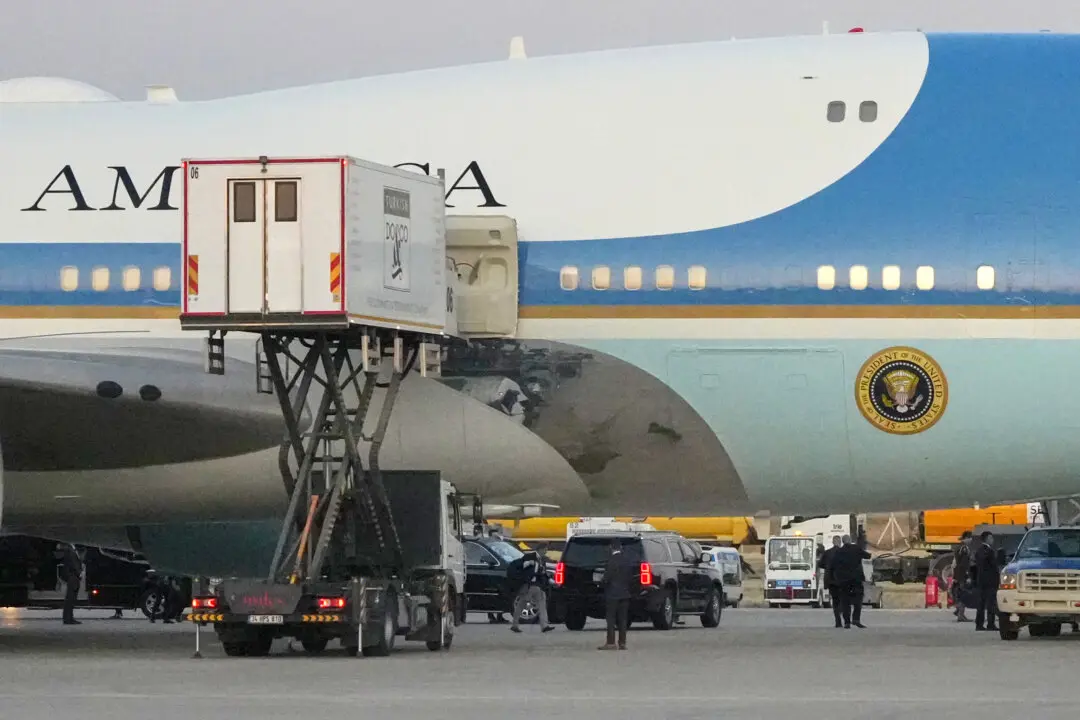
Speaking to reporters aboard Air Force One, Trump said he didn’t like something that ExxonMobil CEO Darren Woods said at a Jan. 9 meeting with oil executives, which Trump held to push for investments in Venezuela’s oil sector following the ouster of regime leader Nicolás Maduro.
“I’d probably be inclined to keep Exxon out. I didn’t like their response. They’re playing too cute,” the president said.
When asked about potential guarantees for oil companies investing in the South American nation, Trump said the U.S. government would provide them security.
“Guarantees that they’re going to be safe, that there’s going to be no problem, and there won’t be. There’s not going to be a problem,” he said. “They had problems in the past because they didn’t have Trump as a president.”
ExxonMobil did not respond by publication time to a request for comment.
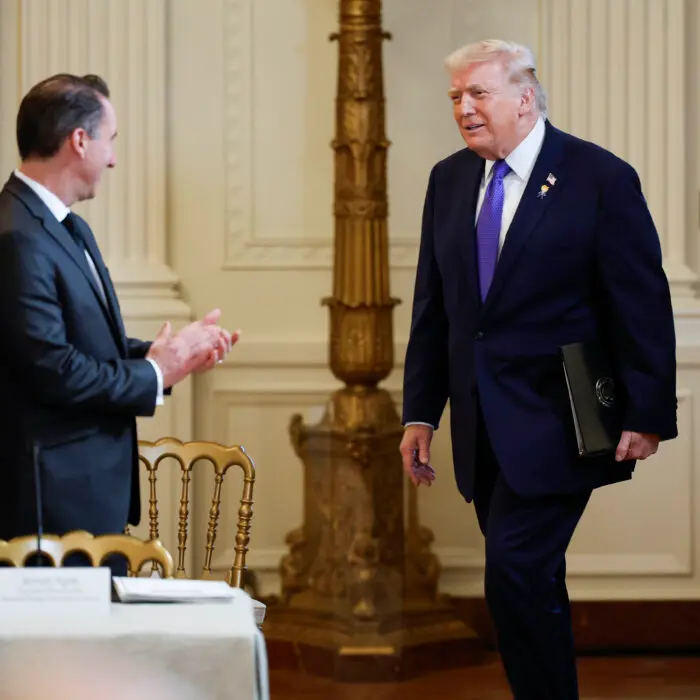
Trump met with executives from major U.S. oil companies at the White House on Jan. 9 to discuss a plan to invest $100 billion in Venezuela to help rebuild the country’s dilapidated oil industry and boost oil production, a move he said could benefit American consumers.
During the meeting, Woods said Venezuela is currently uninvestable and that “significant changes” must be made to its commercial frameworks, legal system, and hydrocarbon laws. The country must put in place “durable investment protections” for companies, he added.
“We’ve had our assets seized there twice. And so, you can imagine to re‑enter a third time would require some pretty significant changes from what we’ve historically seen here and what is currently the state,” he said.
Woods said he was confident that the Trump administration could work with the Venezuelan government to make those changes.
“We think it’s absolutely critical in the short term that we get a technical team in place to assess the current state of the industry and the assets to understand what would be involved to help the people of Venezuela get production back on the market,” he added.
General view of the El Palito refinery building in Puerto Cabello, Venezuela, on Dec. 18, 2025. Jesus Vargas/Getty Images
ExxonMobil first entered Venezuela in the 1940s, according to Woods. The oil giant departed Venezuela in 2007.
A 2007 S&P Global Report said that four companies, Chevron Corp., BP, Total, and Statoil, operating in the Orinoco heavy oil belt “signed memoranda of understanding (MoUs) with the Venezuelan state oil company PDVSA for the conversion of their existing contracts to mixed companies in which PDVSA has a controlling stake.” ConocoPhillips and ExxonMobil rejected the new contracts and exited the country.
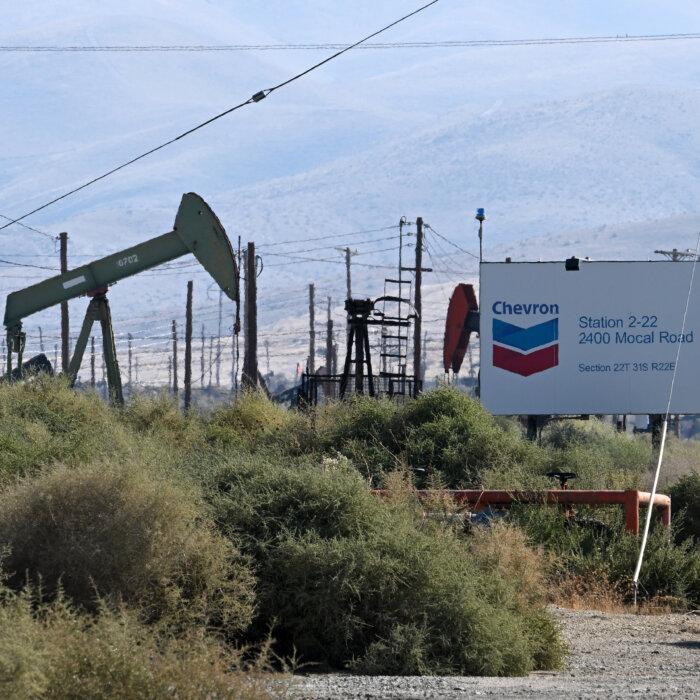
Chevron is the only major U.S. oil company that stayed in Venezuela after nationalizations two decades ago.
Chevron Vice Chairman Mark Nelson said last week that the company aims to increase its production in the country.
On Jan. 9, Trump signed an executive order to safeguard Venezuelan oil revenue held in U.S. Treasury accounts from attachment or judicial process. The White House said in a fact sheet that Trump is preventing seizure of Venezuelan oil revenue that could “undermine critical U.S. efforts to ensure economic and political stability in Venezuela.”