President Donald Trump said on Nov. 18 that he may have already selected his pick to replace Federal Reserve Chair Jerome Powell.
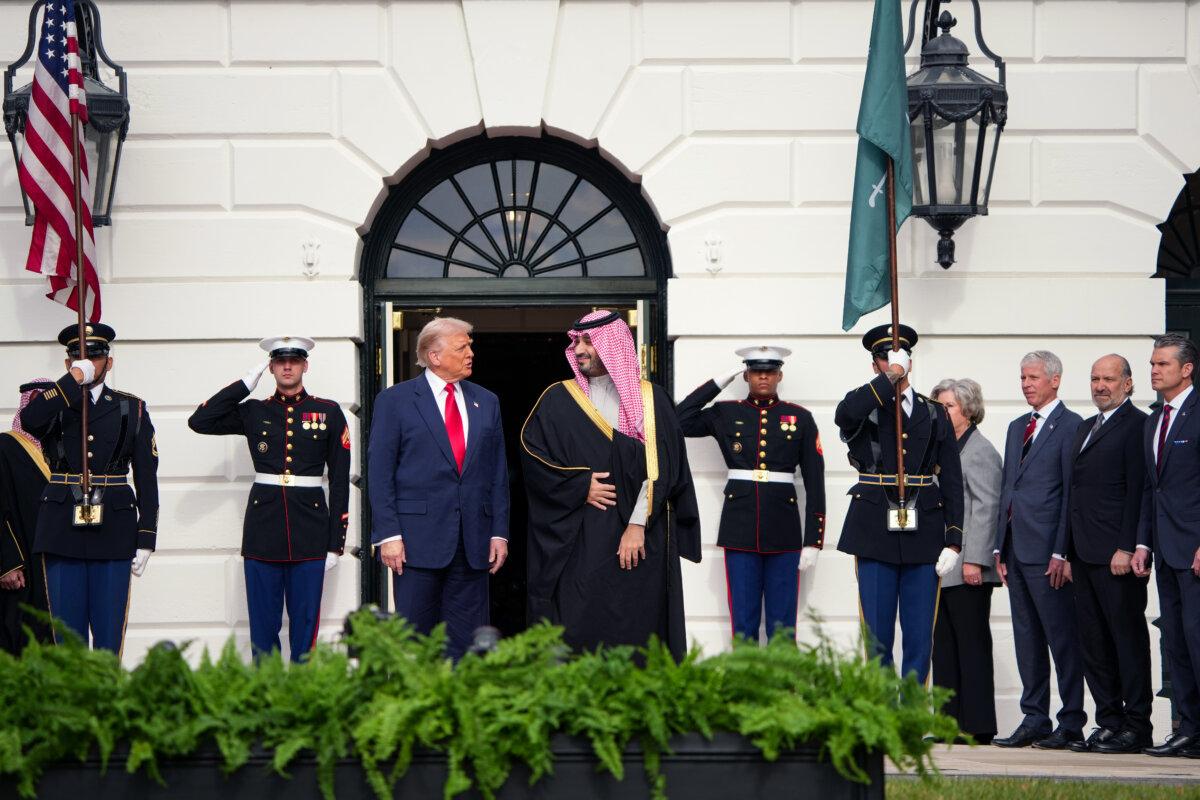
“I think I already know my choice,” Trump told reporters during a bilateral meeting in the Oval Office Tuesday with Saudi Arabia’s Crown Prince and Prime Minister Mohammed bin Salman Al Saud. “We have some surprising names, and we have some standard names that everybody’s talking about. And we may go the standard way. It’s nice to, every once in a while, go politically correct.”
The final five include National Economic Council Director Kevin Hassett, BlackRock executive Rick Rieder, former Fed Governor Kevin Warsh, and Fed Board members Michelle Bowman and Christopher Waller.
Trump reiterated that he would have preferred Bessent to helm the Fed, but the senior administration official noted he preferred working at the Treasury Department.

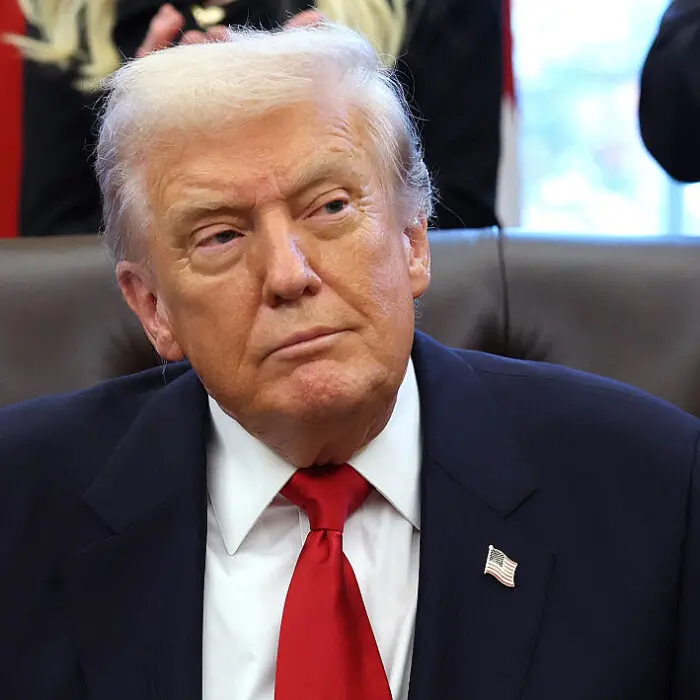
Trump also took shots at Powell again, lambasting him for not lowering interest rates sooner.
“I’d love to get the guy currently in there out right now, but people are holding me back,” the president said. “He’s done a terrible job.”
The administration has repeatedly criticized Powell and his colleagues for not cutting interest rates earlier this year. White House officials—and Stephen Miran, a member of the Federal Reserve Board of Governors—have also suggested that the institution needs to lower rates much more quickly than monetary policymakers have been doing over the past couple of meetings.
“I worry that restrictive monetary policy is weighing on the economy, especially about how it is affecting lower- and middle-income consumers,” Waller said. “A December cut will provide additional insurance against an acceleration in the weakening of the labor market and move policy toward a more neutral setting.”
Due to the six-week government shutdown, the Fed has been relying on state unemployment claims and alternative private sector measurements to gauge the labor market’s health.
Private payroll processor ADP has been running a weekly report that estimates four-week averages of private-sector employment. The latest data for the four weeks ending Nov. 1 indicated employers were trimming headcount by an average of 2,500 per week.
Until then, economic observers will parse assessments about the broader economy and short-term funding markets in minutes from the October Federal Open Market Committee meeting. The meeting summary will be published on Nov. 19.