Industry experts said the White House decision could alter the composition of Americans’ retirement portfolios, broadening the types of assets that investors can hold and the options that financial institutions can offer to their clients in the $9 trillion retirement market.
Trump stated in the order that the aim is to democratize “access to alternative assets,” thereby enabling the public to diversify their retirement accounts.
“My Administration will relieve the regulatory burdens and litigation risk that impede American workers’ retirement accounts from achieving the competitive returns and asset diversification necessary to secure a dignified, comfortable retirement,” the president said in the order.
The Executive Order
The executive order, signed on Aug. 7, directs the secretary of the Labor Department to reassess past and present fiduciary standards governing private market investments—including private equity and other alternative assets—held in 401(k) and similar defined contribution plans subject to the Employee Retirement Income Security Act of 1974 (ERISA).List of Alternative Assets
According to the White House, alternative assets are defined as private market investments, digital assets controlled in actively managed investment vehicles, and direct or indirect real estate assets.

The order also lists commodities, infrastructure projects, and lifetime income investment strategies as being potential options for retirement accounts.
Although it is not prohibited by the government, as investors could technically dedicate their retirement portfolio to private market investments, plan sponsors have refrained from offering a suite of alternative asset options because of potential legal complications, administrative burdens, and challenges in managing these assets.
Rulemaking Process
The labor secretary will conduct a formal review, alongside the treasury secretary, the Securities and Exchange Commission (SEC), and other federal regulators. The objective of the coordinated effort is to identify potential reforms that will bolster oversight and ensure that changes align with long-term retirement security goals.The president granted U.S. officials 180 days to conduct the rulemaking process, meaning that the reforms might not take effect until 2026.
Reaction
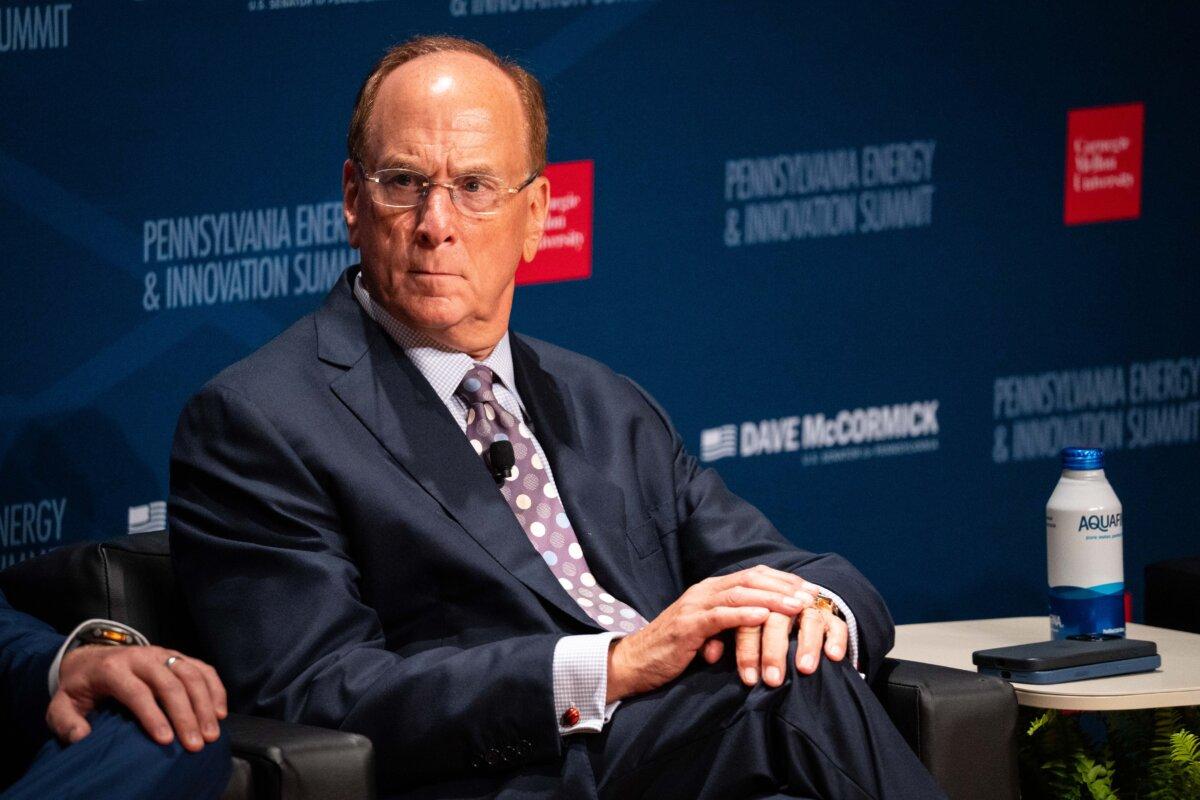
This past spring, BlackRock CEO Larry Fink wrote in his annual letter to investors that retirement plans should allocate more funds to private assets.In the March letter, Fink stated that the retirement system should provide a safety net and a ladder, “a way to grow savings, compounding wealth year after year.”
“Right now, the country focuses heavily on preventing people from hitting the floor, as we should,“ Fink wrote. ”But the U.S. needs to put just as much effort into helping people climb to the ceiling—through investing.”
Many of his industry colleagues appear to agree.
Advisers cited diversification, higher return potential, and lower correlation with public markets as the top benefits of investing in alternative assets. They also listed liquidity, fees, and investment complexity as potential drawbacks for further adoption.
According to Edmund F. Murphy III, president and CEO of Empower, private markets are not a niche corner of global financial markets.
“With most U.S. companies privately held and trillions of dollars from individuals already invested, expanding access to these markets through defined contribution plans presents a significant opportunity to enhance long-term retirement outcomes,” he said. “Aligning the 401(k) system to private markets investing normalizes the U.S. retirement system with the rest of the international and defined benefit investing universe.”
The Securities Industry and Financial Markets Association, a trade association for asset managers, broker-dealers, and investment banks, lauded the president’s executive action.
Debates Ahead
Market watchers have started debating the question of whether retirees will benefit from new options.“Firms are staying private for longer and coming to the [initial public offering] market larger and more mature,“ Ratner said. ”Therefore, the growth opportunities available to public market investors have become more limited.”
Others, such as Sen. Elizabeth Warren (D-Mass.), are concerned about the risks of having private equity involved in 401(k)s.
Ultimately, it comes down to choice, Labor Secretary Lori Chavez-DeRemer said.