Concerns of a K-shaped economy, with its characteristic split, have increased in recent months.
From Corporate America to the Federal Reserve, a growing chorus of executives, economists, policymakers, and market watchers is beginning to point to signs of an increasing divergence.
A K-shaped economy gets it name from economic growth charts that reveal two distinct arms. The upward curve of the K represent sectors and individuals experiencing robust growth, rising wealth, and economic strength. The lower legs signify the continued struggles of low-income earners and small businesses.
“Higher-income households and workers in sectors like tech, finance, and professional services have generally done well. Many of these jobs transitioned smoothly to remote work, and workers benefited from rising home values and stock market gains,” Andrew Latham, a certified financial planner with SuperMoney.com, told The Epoch Times.
“Many lower-wage workers, especially in service-based and hourly roles, faced layoffs or reduced hours during the pandemic and often lacked a financial cushion,” he added.
Fed Chair Jerome Powell recently discussed the trends emerging throughout the U.S. marketplace.
His colleague, Cleveland Fed President Beth Hammack, thinks current consumption data, while healthy, supports the narrative of a two-speed economic climate.
As a result, spending by high-income households is supporting the gross domestic product, Hammack said at the Evolving Landscape of Bank Funding Research Conference on Oct. 31.
Seeing the K Shape Everywhere
Data from the Bank of America Institute highlights the growing gap in spending.Spending growth among lower-income households was 0.6 percent year over year in September, compared to 2.6 percent growth for their higher-income counterparts.
“Lower-income households showed some spending recovery, but growth remains muted compared to middle- and higher-income groups, likely due to softer wage gains in this cohort,” economists wrote in Bank of America’s latest Consumer Checkpoint report.
“Middle- and higher-income households have stronger wage growth but higher-income spending is likely also benefiting from wealth effects,” the report said.
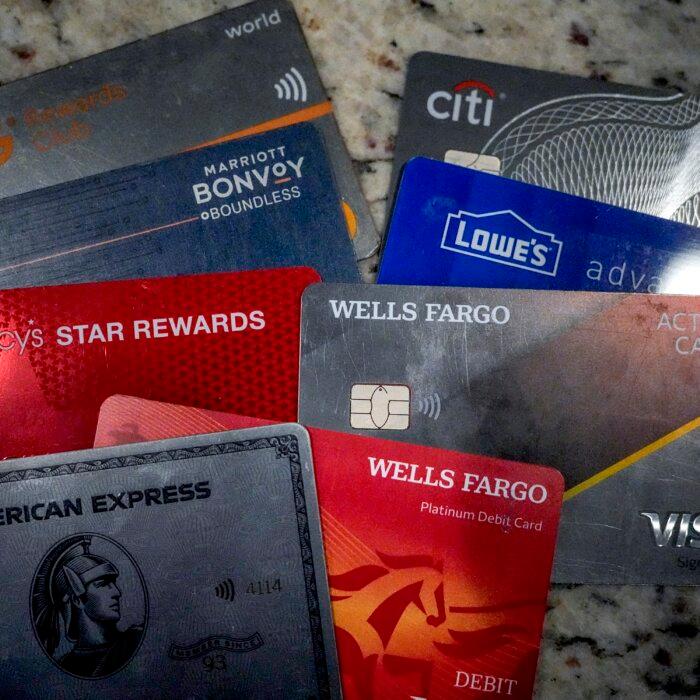
TransUnion says there is a tale of two cities in credit markets: Borrowers are either superprime (with a credit score above 780) or subprime (with a credit score below 600).
“While superprime has steadily grown since the pandemic, subprime has returned to pre-pandemic levels—leaving the middle tiers increasingly thinner,” Laky said. “This shift suggests that while many consumers are navigating the current economic climate well, others may be facing financial strain.”
Bifurcation in the economy is also influencing how consumers view economic conditions.

Prevalence of a K-shaped economic landscape was observed in the preliminary November Consumer Sentiment Index from the University of Michigan.
“Consumers with the largest tercile of stock holdings posted a notable 11 percent increase in sentiment, supported by continued strength in stock markets,” Hsu said.
Companies and industry analysts have started noticing this trend.
“Particularly, with middle- and lower-income consumers, they’re feeling under a lot of pressure right now,” Kempczinski said. “It’s really kind of a two-tier economy.”
Affluent motorists are driving the auto market, said Cox Automotive Executive Analyst Erin Keating.
“While there are many affordable options out there, many price-conscious buyers are choosing to stay on the sidelines or cruising in the used-vehicle market,” Keating said. “Today’s auto market is being driven by wealthier households who have access to capital, good loan rates, and are propping up the higher end of the market.”
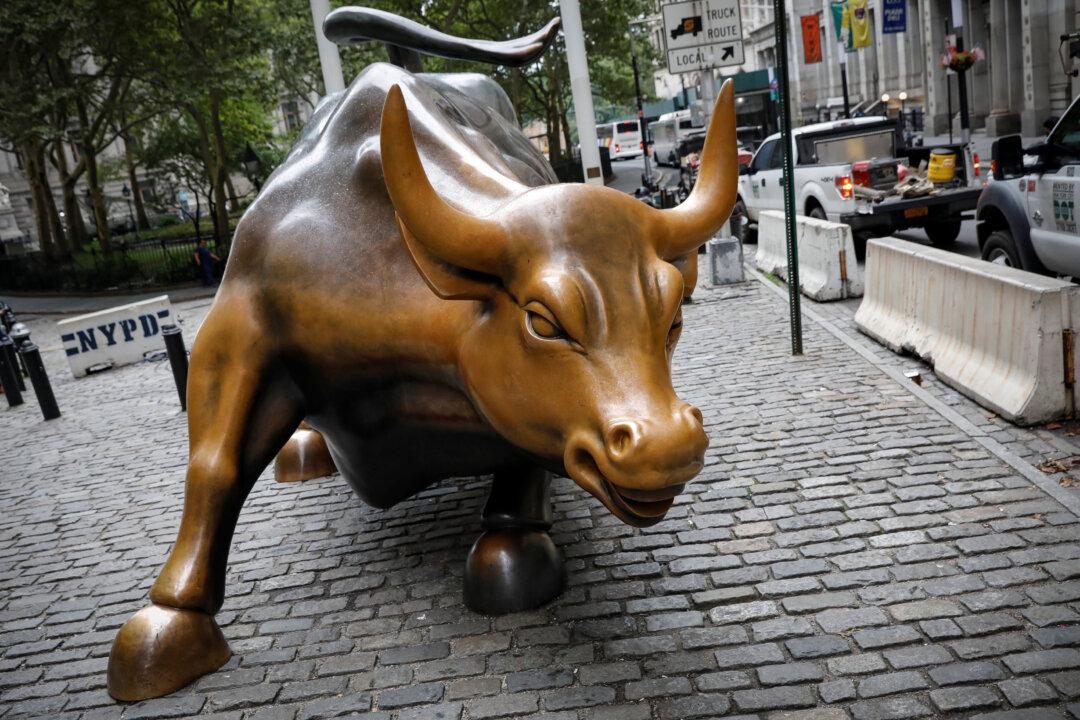
While all the focus is on consumers, economists note that a K shape is forming on Wall Street.
The Magnificent Seven refers to the seven mega-cap U.S. tech juggernauts that have experienced immense market gains in recent years: Alphabet, Amazon, Apple, Meta, Microsoft, Nvidia, and Tesla.
Many economists say that overall conditions are doing well, but a persistent K-shaped economy can produce challenges, Latham notes.
“When only part of the population benefits from economic growth, it can limit overall consumer spending, weaken the middle class, and reduce trust in public institutions,” he said. “From a purely economic standpoint, it can mean slower, less sustainable growth as fewer people have the means to invest, save, or spend confidently.”