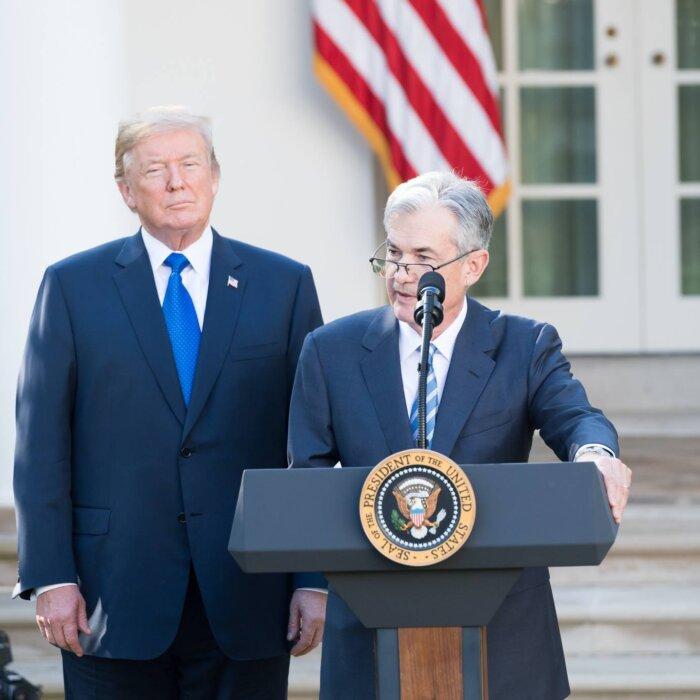
Last Wednesday, the Federal Open Market Committee (FOMC) cut key interest rates by 25 basis points (0.25%). The 11-to-1 vote was widely anticipated, and the sole dissenter was the newest FOMC member, Trump nominee Stephen Miran, who voted against the 0.25% because he favored a larger (0.50%) cut.
However, the “dot plot” of selected FOMC members, including non-voting members, was all over the map, as six FOMC members forecasted no further key interest rate cuts this year, while another non-voting FOMC member said there should not have been any key interest rate cut at all! Two FOMC members forecasted one additional rate cut this year, so the hawks on the FOMC seem to be in charge.
The FOMC statement added, “Job gains have slowed, and the unemployment rate has edged up,” adding, “Downside risks to employment have risen.” After the Fed announcement, Treasury bond yields rose, and the dollar firmed up. President Trump had previously said that he expected a “big cut” (0.50%). Specifically, Trump said, “I think you have a big cut,” since the timing is “perfect for cutting.”
In other words, President Trump will likely continue to bash Fed Chairman Jerome Powell for being too slow to cut rates, especially in light of the fact that layoffs in the construction industry are accelerating.
Here are the most important developments recently and what they mean:
- Nvidia got the entire technology sector excited this week after it announced that it intends to support OpenAI’s next-generation AI infrastructure for training and running upcoming models. According to Nvidia, this translates to millions of its GPUs.
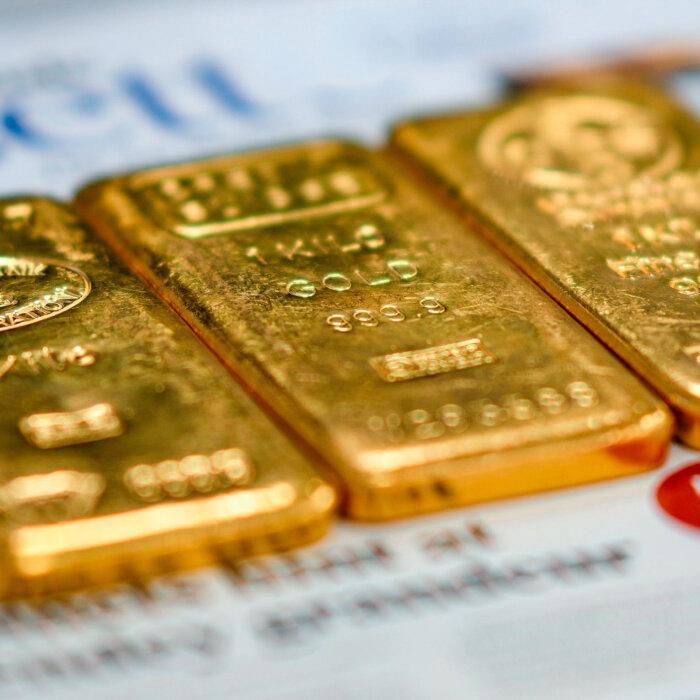
- Gold is now at a record high due to a lack of confidence in global central banks. Interestingly, when cryptocurrencies are volatile on some days, gold prices have been resilient, so gold is apparently viewed as a safe alternative relative to the U.S. dollar.
- President Trump’s executive order to raise the application fee on new H-1B Visas to $100,000 has raised some eyebrows. However, apparently, the H-1B program needs to be reformed, since it is dominated by technology workers who frequently reapply from outsourcing firms that supply workers to Amazon, Apple, Google, Meta, and Microsoft. In fact, Tata Consultancy Services Limited is the second largest applicant for H-1B Visas, so their outsourcing business will be impacted.
- The irony is that three Stanford University economists recently did a study on why computer science graduates are having a harder time finding jobs. Computer science dominates Stanford’s undergraduates, so the tough job market was hindering even some Stanford graduates. Complicating matters further, technology layoffs and outsourcing demands appear to have also complicated the job opportunities for computer science graduates.
- I suspect that since the technology industry has ready access to President Trump, the fee for H-1B Visas may fall after the outsourcing to India and other countries slows down and the H-1B Visa program is reformed. In the meantime, there are apparently a lot of computer science graduates looking for jobs, so the technology industry should not be adversely impacted in the near term.
- Atlanta Fed President Raphael Bostic said that inflation concerns would make him hesitant for now to declare support for cutting rates again at the FOMC meeting in October, even though economic risks have shifted in recent months toward greater worries about employment. Specifically, Bostic said, “I am concerned about the inflation that has been too high for a long time,” then added, “And so I today would not be moving or in favor of it, but we’ll see what happens.” This double speak and hedging by Fed members remains an art form, but clearly a poor September payroll report and rising claims for unemployment might change Bostic’s mind on future key interest rate cuts.
- The Personal Consumption Expenditure (PCE) index will be updated on Friday. It appears that the core PCE, excluding food and energy, will rise 0.2% in August and at a 2.9% annual pace. The core PCE rose 0.3% in July, so it appears that the core PCE will decelerate in August. The PCE is the Fed’s favorite inflation indicator, so it is imperative that the PCE does not accelerate, otherwise, it could impair future key interest rate cuts.
- After the $7,500 EV tax credit expires at the end of September, it will be interesting to see what happens to EV sales. Lower-cost EVs, like the Tesla Model 3s, are expected to dominate EV sales moving forward. Interestingly, Berkshire Hathaway sold its investment in BYD, which has been dominating low-cost EVs globally. Although President Trump has ended EV tax credits and the carbon credits from other automakers that enriched Tesla, the European Union (EU) remains committed to being EV-only by 2035, despite calls from BMW and Mercedes to curtail the EU emission mandate. I should add that at the Charlie Kirk memorial service in Arizona, Elon Musk was seen chatting with President Trump, so apparently the rift between Elon and President Trump may be on the mend.
Overall, the ten Fed governors speaking this week should further clarify if there are going to be more key interest rates in the upcoming months and how reliant the FOMC will be on economic reports. I suspect that gold will not be adversely impacted by Fed policy, but chaos overseas with other central banks will continue to put upward pressure on gold.