Stellantis is bringing back the Ram Hemi V8 engine and shifting its strategy toward traditional hybrids rather than fully electric vehicles, citing major changes in market dynamics, including the rollback of regulations and rising consumer demand for hybrids.
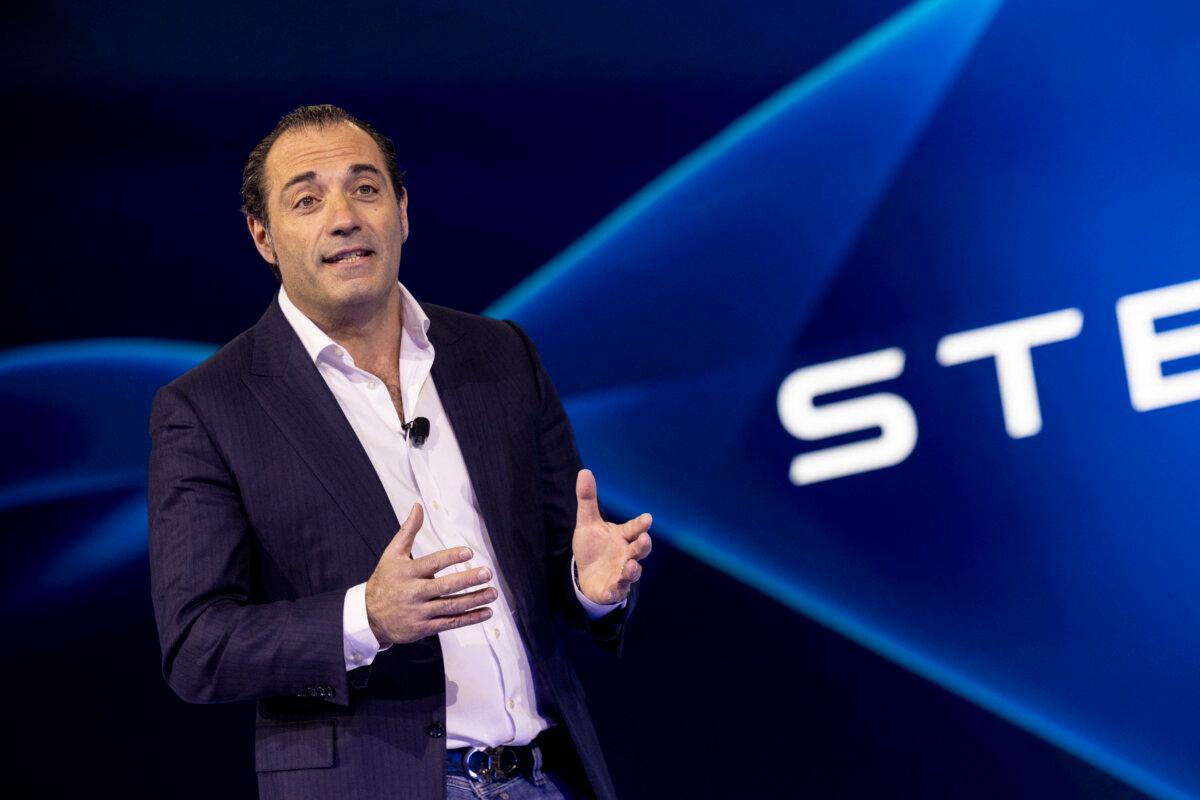
“In Q3, we presented the return of the Ram Hemi V8 engine,” Filosa stated. “This is a legendary engine we phased out. In less than 12 months, it’s a record time: We returned the engine to the pickup trucks and launched them with this engine. The first day of announcement, we received 10,000 orders, six weeks after those orders went up to 50,000, and growing.”
He said he expects shipments of trucks with the Hemi engine to continue increasing through the rest of the third quarter and accelerate from 10,000 to 20,000 units in the fourth quarter.
Stellantis also has high expectations for a new hybrid Jeep Cherokee model.
“So, we are getting back to the largest individual segment in the world, which we invented with a much-improved Jeep Cherokee. So obviously we will have volumes of opportunity there,” Filosa added.

The company’s pivot away from all-electric vehicles reflects shifting market forces. One element is nostalgia and loyalty among Stellantis customers to the Hemi V8 engine, which the company says many consumers “badly wanted.”
“And this is what we are doing. So, by mixing what we keep discovering about ourselves, our customer base, and the change of strategy that we are implementing, I believe that we have a good recipe to do what you said, which is incremental improvement,” Filosa said.
As the EPA has stated, the regulations created uncertainty and raised production costs for traditional automakers, limiting affordable options for consumers and hitting automakers’ profit margins.
From 2010 to 2024, General Motors’ net margins hovered between 3 percent and 4 percent. Ford’s margins fluctuated widely—from about 2 percent in 2010 to 0.85 percent in 2014, rising to 13.6 percent in 2021 before falling to 1.7 percent in 2025. Stellantis also saw volatile margins, rising from 1.62 percent in 2014 to 6.68 percent in 2019, dropping to –1.54 percent in 2020, and remaining near zero more recently.
“The segment of the U.S. market that has experienced the fastest growth in the latest year has been hybrid,” Filosa said. “So, we are launching hybrid because we truly believe that hybrid is going to be one of the favorite powertrains in the U.S.”
“Consumers love bragging about their fantastic fuel efficiency in town with a hybrid, but they also like taking a road trip without worrying about finding a charging station. Customers want familiarity, and Stellantis can provide that familiarity, with the added benefit of better fuel efficiency from a hybrid,” Melanie Musson, an auto industry expert with AutoInsurance.org, told The Epoch Times.
Meanwhile, the strong consumer preference for traditional hybrids has benefited Japanese vehicle makers such as Toyota and Honda, as well as Korean makers Hyundai and Kia, which have been heavily investing in this market segment.
Patrizia Porrini, professor of management at Long Island University, said Stellantis’s “doubling down” on hybrids reflects a clear understanding of current consumer sentiment.
“This decision addresses the much less aggressive consumer demand for EVs. Although environmentally and theoretically attractive, EVs have also become known for persistent issues with charging availability, charging infrastructure, and the need for producers to maintain profitability,” she told the Epoch Times.
Porrini said that Filosa appears to be moving away from previously announced all-EV production goals toward a “multi-energy strategy” that gives customers “freedom of choice.”
“Stellantis gains profit protection here, as EV production currently has lower profit margins than [internal combustion engine] or hybrid vehicles,” She added.
She also highlighted broader market dynamics affecting EV demand. Consumers—particularly U.S. truck and SUV buyers—remain hesitant to adopt fully electric vehicles due to concerns about price, charging availability, and performance limitations, especially in cold weather.
“Filosa’s decision directly relates to Stellantis’s efforts to mitigate market share losses in the U.S. by offering more of what customers would purchase,” Porrini said.