More than 1,000 baristas represented by the union walked off the job on Red Cup Day, one of the chain’s biggest sales days of the year. The strike began at 65 stores in more than 40 cities, according to the union.
Workers say they acted after six months of inaction from Starbucks on staffing levels, wages, and the resolution of hundreds of pending unfair labor practice charges.
Same-store sales have fallen for six straight quarters, and operating margins have been hit by inflation and rising labor costs. The coffee giant has also been squeezed by increasing coffee bean prices after tariffs imposed on Brazil in July triggered a spike in U.S. import costs.
Lawmakers from both parties have since introduced the No Coffee Tax Act to roll back the duties.
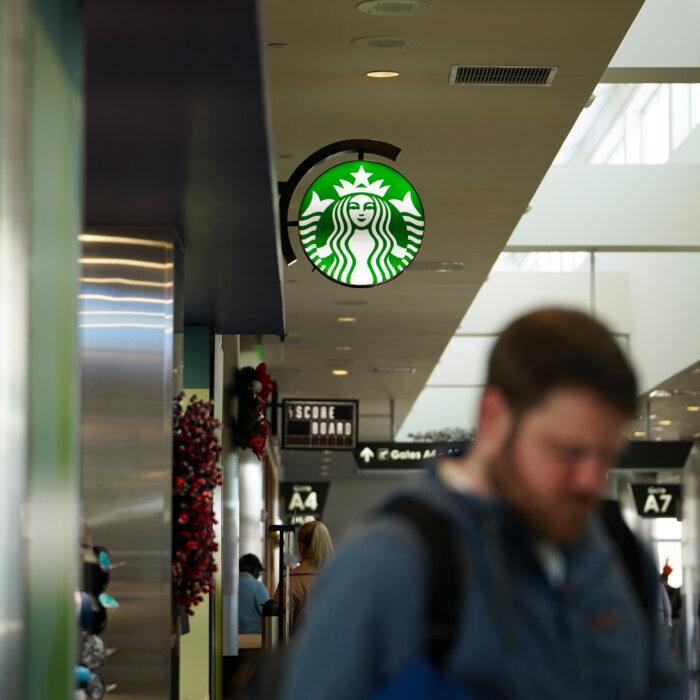
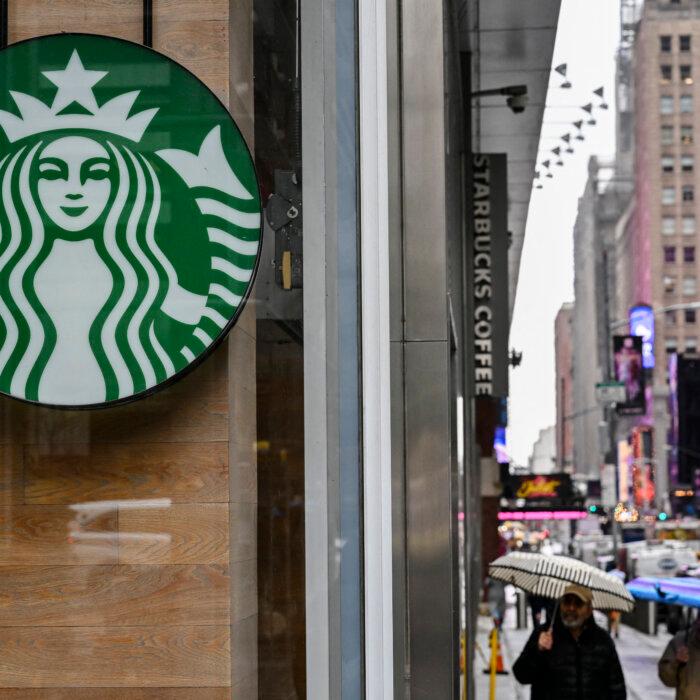
Starbucks Workers United represents workers at more than 550 Starbucks stores nationwide.
Union spokesperson Michelle Eisen, a 15-year barista, said the company risked a major disruption.
“If Starbucks keeps stonewalling a fair contract and refusing to end union-busting, they’ll see their business grind to a halt,” she said.
She added that the union’s rallying cry, “No Contract, No Coffee,” reflects a commitment to pressure the company until it addresses pay, hours, and legal disputes.
Labor Law Battles
The union said Starbucks has become “the biggest violator of labor law in modern history,” citing rulings from National Labor Relations Board administrative law judges who found more than 400 violations.A judge recommended a broad cease-and-desist order in September, writing that Starbucks had engaged in a “scorched earth campaign” against unionization and that misconduct “continues unabated.”
Stalled Talks
Contract talks have been at a standstill since spring. Starbucks offered a proposal in April that union delegates overwhelmingly rejected, saying it failed to improve pay or benefits in the first year and did not address understaffing.She said Starbucks aimed to “reach agreements that make sense for partners and for the long-term success” of the company.
“We reached more than 30 tentative agreements on full contract articles,” Kelly said.
“Our commitment to bargaining hasn’t changed. Workers United walked away from the table, but if they are ready to come back, we’re ready to talk. We believe we can move quickly to a reasonable deal.”
Starbucks says it already provides “the best overall wage and benefits package in retail,” valued at about $30 an hour, which includes healthcare, paid family leave, and free college tuition for part-time workers.
Kelly said that Workers United is demanding immediate pay hikes of 65 percent and increases of 77 percent over three years, plus extra premiums for tasks such as opening, closing, weekends, and inventory.
Some union proposals, including limits on mobile ordering, according to Kelly, would disrupt store operations and customer service, calling them not “serious, evidence-based proposals.”