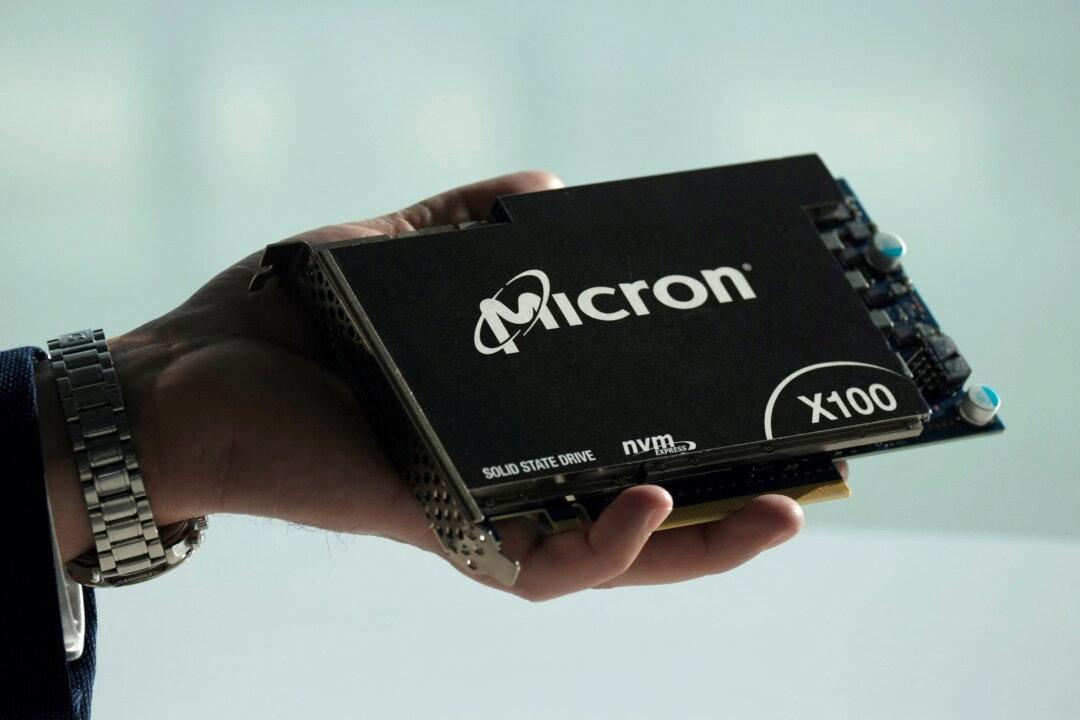
SK Hynix is giving U.S. investors an opportunity to participate in the semiconductor rally.
On July 9, the South Korean memory-chip giant raised $26.5 billion, pricing its American Depositary Receipts—also known as ADRs—at $149. Each American depositary share equals one-tenth of a Seoul-traded common share.
Shares of SK Hynix are set to debut on Nasdaq during the end-of-week session.
“I'd like to thank our investors and customers for their trust and support,” CEO Kwak Noh-Jung said in a statement.
“Through continuous innovation, we will push the boundaries of what memory can achieve while empowering our employees to reach even greater accomplishments.
“SK hynix seeks to be wherever AI is, continually demonstrating our technology leadership.”
The company’s U.S. share sale surpassed the debuts of Saudi Aramco and Alibaba as the largest listing by a foreign company in the United States, indicating ferocious investor appetite at a time when the chip trade is red hot.
“Just like the SpaceX [initial public offering], we are seeing a similar trend with SK Hynix. We’re seeing here a very strong and persistent demand for leading companies that are driving AI forward,” Evan Schlossman, principal at Neostellar, said in an emailed note to The Epoch Times.
Back home, SK Hynix is the second most valuable company, behind Samsung. The stock is up more than 200 percent this year, hitting the trillion-dollar market cap threshold in May.
But traders pursuing the so-called Korean Discount—companies in Seoul trading at lower valuations than international competitors—might be disappointed.
The ultra-popular iShares Semiconductor exchange-traded fund is up more than 80 percent this year, although it is poised for a weekly loss of about 1 percent.
“When we look at AI infrastructure and the demand that is starved really out there for right now in the market. You’re seeing a huge amount of demand, and capex estimates,” Schlossman said.
SK Hynix, a strategic partner to Nvidia, plans to use funds raised from the U.S. offering to build additional plants to keep pace with strong chip demand. The South Korean government announced efforts to spend $500 billion on new chipmaking facilities, and President Lee Jae Myung has urged a speedy process to secure land, power, and water.
“The main players … have demonstrated discipline on capacity expansion for many years now,” Hendi Susanto, portfolio manager of the Gabelli Global Technology Leaders ETF, told The Epoch Times in an emailed note.
“The current market outlook is still expecting demand higher than supply in 2027. Therefore, we have no concern of irrational capacity addition in general.”
The fundamentals for SK Hynix—whether the largest market share for high-bandwidth memory and strong pricing power—remain solid.
Yardstick for the AI Trade
Market watchers, meanwhile, are viewing SK Hynix’s performance as a barometer for whether there is still plenty of momentum left in the chip rally.
Scores of businesses have been rushing into the IPO market to take advantage of current conditions and raise capital for their capital expenditures.
SpaceX, Elon Musk’s AI-and-rockets company, debuted on Wall Street last month, becoming the largest ever listing after raising nearly $86 billion. It also joined the Nasdaq 100 after just 15 trading sessions.
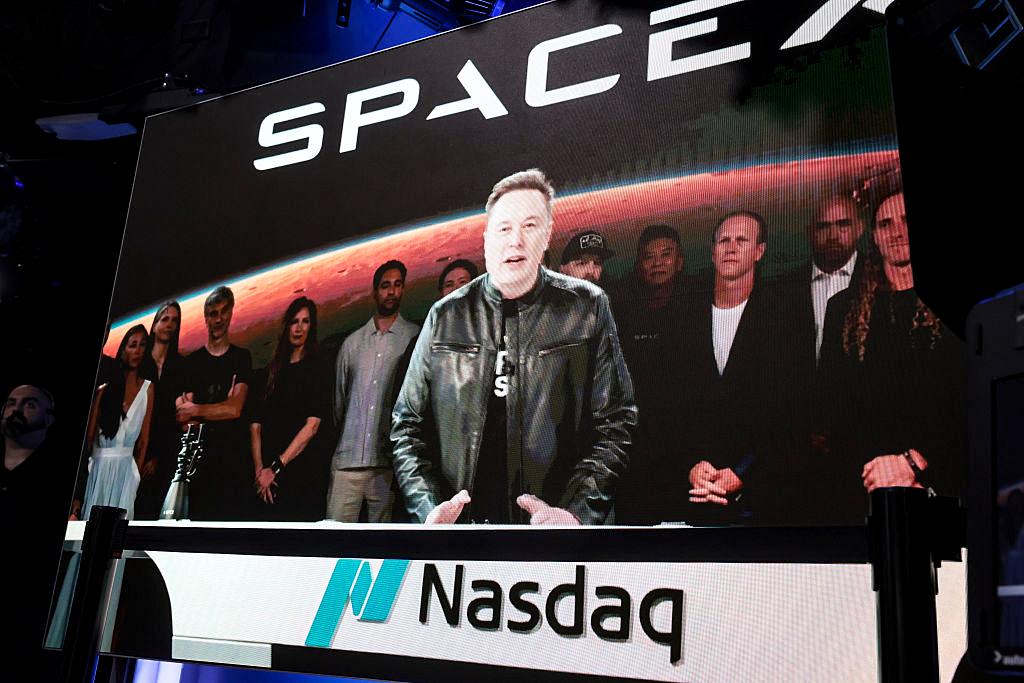
Shares of SpaceX generated solid post-IPO returns, with the stock topping $200 a share. They have since fallen below their $150 debut, sliding more than 2 percent to finish the trading week.
Wall Street companies are set to publish their research reports, and they could present mixed outlooks for SpaceX, says Ipek Ozkardeskaya, senior analyst at Swissquote Bank.
“From a stock-price perspective, the early enthusiasm faded fast, with the price coming close to its IPO level after a more than 50 percent surge in the early days,” she said in a note emailed to The Epoch Times.
Analysts remain bullish on the $2 trillion stock, which maintains a “Moderate Buy” rating and an almost 62 percent 12-month upside consensus price target, according to MarketBeat.
AI giant Anthropic is poised to make a trillion-dollar entrance soon. OpenAI had been expected to file an IPO this summer, but the company decided to delay a U.S. listing until next year.