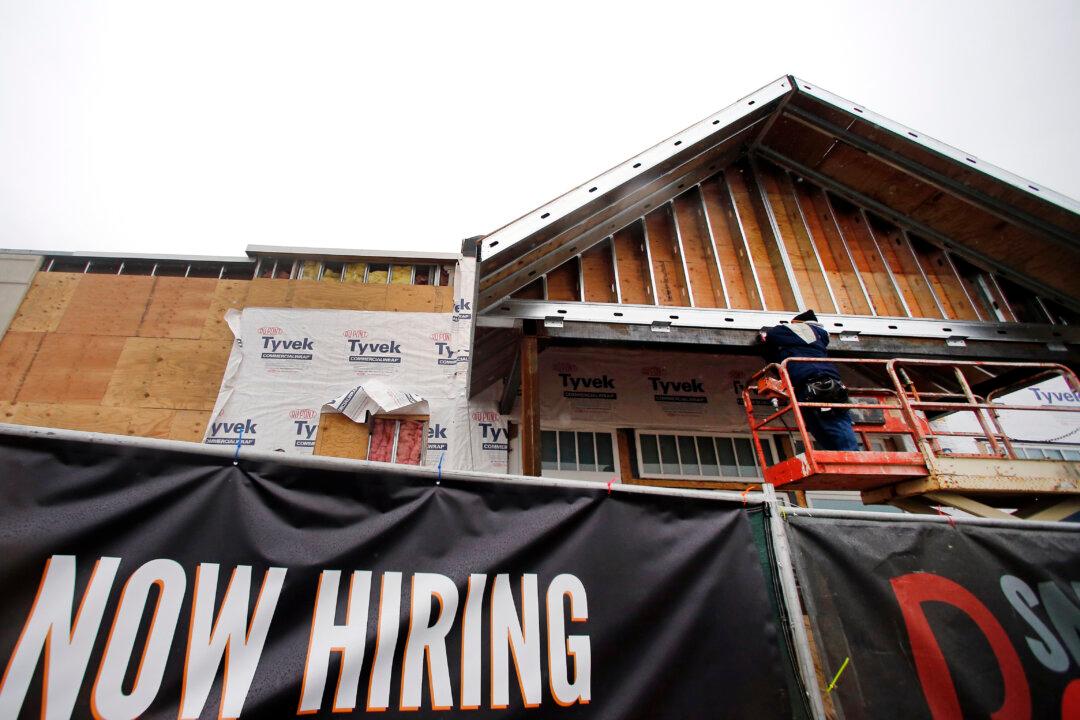
With Amazon and Walmart gearing up for the coming holiday season, competing on delivery speed and massive deals, small store owners may be fighting an uphill battle. Yet many of them are confident this stretch could make—not break—them.
An Uphill Battle
On the big retailer side, Amazon and Walmart are ramping up for the holiday season. Each held an early-season sales event—Amazon Prime Big Deal Days 2025 and Walmart Deals Event 2025—in October to attract early-bird gift shoppers.Both companies also announced schedules for their big holiday sales, with Amazon’s spanning from Nov. 20 through Dec. 1—covering Black Friday week and Cyber Monday with deep discounts across categories—and Walmart’s having already kicked off on Nov. 14 and extending through Dec. 1 in two major waves.
CEO Doug McMillon, who is set to retire in early 2026, stated that the company’s same-day delivery program currently reaches 93 percent of U.S. households. John Furner, CEO of Walmart U.S., meanwhile, said the company will “soon be able to” deliver to 95 percent of U.S. households in less than three hours.
Meghan Cruz, vice president of advocacy and engagement at the National Retail Federation, told The Epoch Times that the holiday shopping season is one of the most crucial times of the year for small businesses.
“These retailers operate on very thin margins, and this holiday season may make or break it for some small businesses that have been dealing with rising costs due to trade uncertainty,” Cruz said.
Mark Mathews, NRF’s chief economist and executive director of research, said in the report that although tariffs have put pressure on consumer prices, “retailers have tried to hold the line on prices given the uncertainty about trade policies.” He added that the economy has shown “surprising resilience.”
For some small retailers, still-elevated inflation could be a challenge as they try to keep customers happy while supporting their bottom line.
“Profit margins for smaller retailers might have to be lower, and if tariffs increase, they have a choice whether or not to pass that along to the customer,” Van Carlson, founder and CEO at Idaho-based risk assessment firm SRA 831(b) Admin, told The Epoch Times. “However, competition still exists, and they might not have the option to increase prices.
“I think this year they’ll be cautious and less likely to make big money decisions,” Carlson said.
Offer What Amazon Can’t
For the past 26 years, Cramer has owned Adagio Teas, offering both loose and bagged teas in an assortment of flavors and varieties, as well as iced tea, teaware, tea cookies, scented candles, and gift sets. Based in Illinois, he also operates two brick-and-mortar stores located in Naperville and Skokie, and sells products online.“I know I can’t compete with Amazon on prices, so the question centers on what I can offer that Amazon can’t,” he told The Epoch Times. “We narrow down the best selections out there, and we rely on personalization. We understand what our customers are looking for and we’re able to meet those needs.”
As a small retailer with roots in the local community, Cramer said people always know where to find him—unlike faceless online-only retailers.
“People tend to be more stressed out during the holidays and often wonder if their packages will arrive on time and in good shape,” he noted.
He relies on emails and social media to get the word out about holiday sales and special promotions. Some of Adagio Tea’s bestselling gifts include pre-boxed sampler sets offering a selection of four different teas. Prices range from $14 to $19.
“These are very affordable, but the way they’re packaged makes them look much more expensive,” he said.
The main thing for small retailers, Cramer noted, is to focus on showing customers how they’re different and what they can offer to personalize the shopper’s experience.
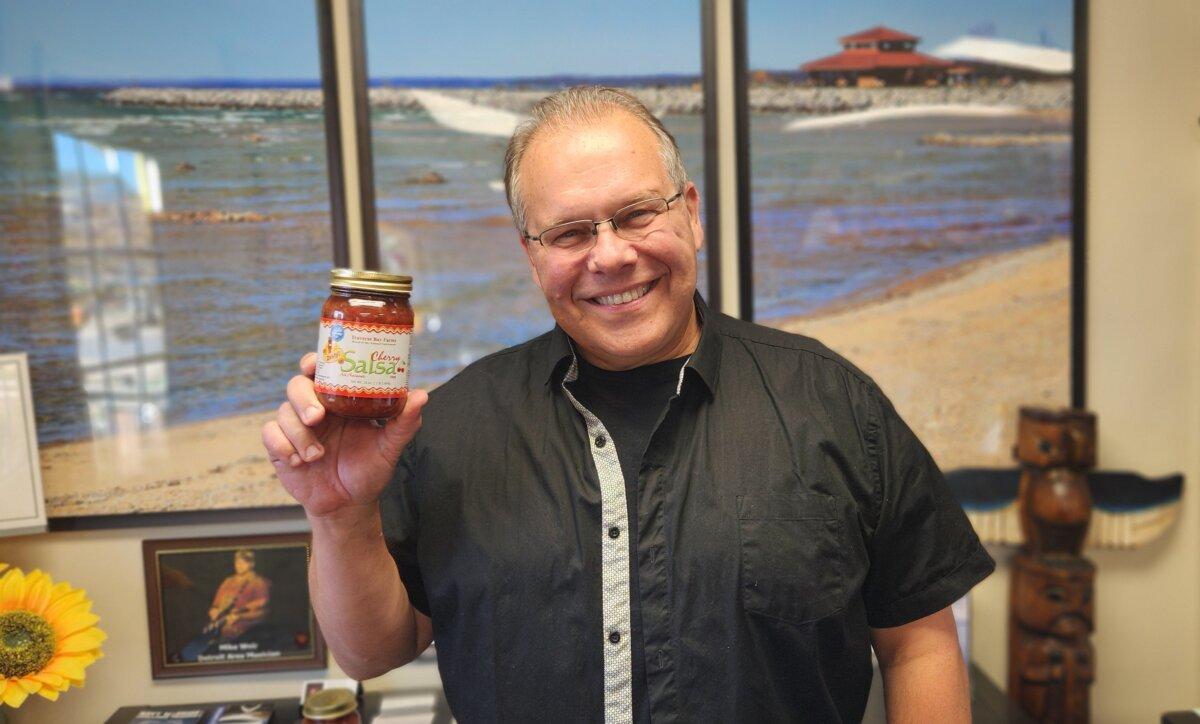
LaPointe owns two retail locations for Traverse Bay Farms in Michigan, offering locally produced fruit juices, fruit-based dietary supplements, fruit salsa, dried fruit, barbecue sauces, preserves, and even cookbooks.
His Bellaire store opened in 2001, and his Elk Rapids outlet opened in 2011. Over the years, the business has won close to 40 national food awards.
“Our stores are unique—you can’t get this on Amazon or in ‘big box’ stores,” LaPointe told The Epoch Times. “We use as many local ingredients as we can for our products, and I think that’s something our customers really appreciate.”
‘Experience Beats Convenience’
LaPointe often features salsa and jam tastings, as well as other product samplings, at both stores. While he does sell online, LaPointe noted that he has a loyal in-store customer following.Part of his holiday sales strategy is transforming his stores into “mini holiday destinations,” complete with a train display, music, and product samples. “Experience beats convenience,” he said. “When shoppers feel the connection, they don’t just buy, they belong.”
LaPointe’s “secret weapon” is the company’s “two-bowl strategy.” Each store has two bowls by the checkout counters, with one offering an instant in-store discount and the other a coupon for a future date. The coupons can be used both in-house and online, and give customers a reason to return. “This simple experience bridges the offline-to-online gap and creates what I call holiday loyalty momentum,” he said.
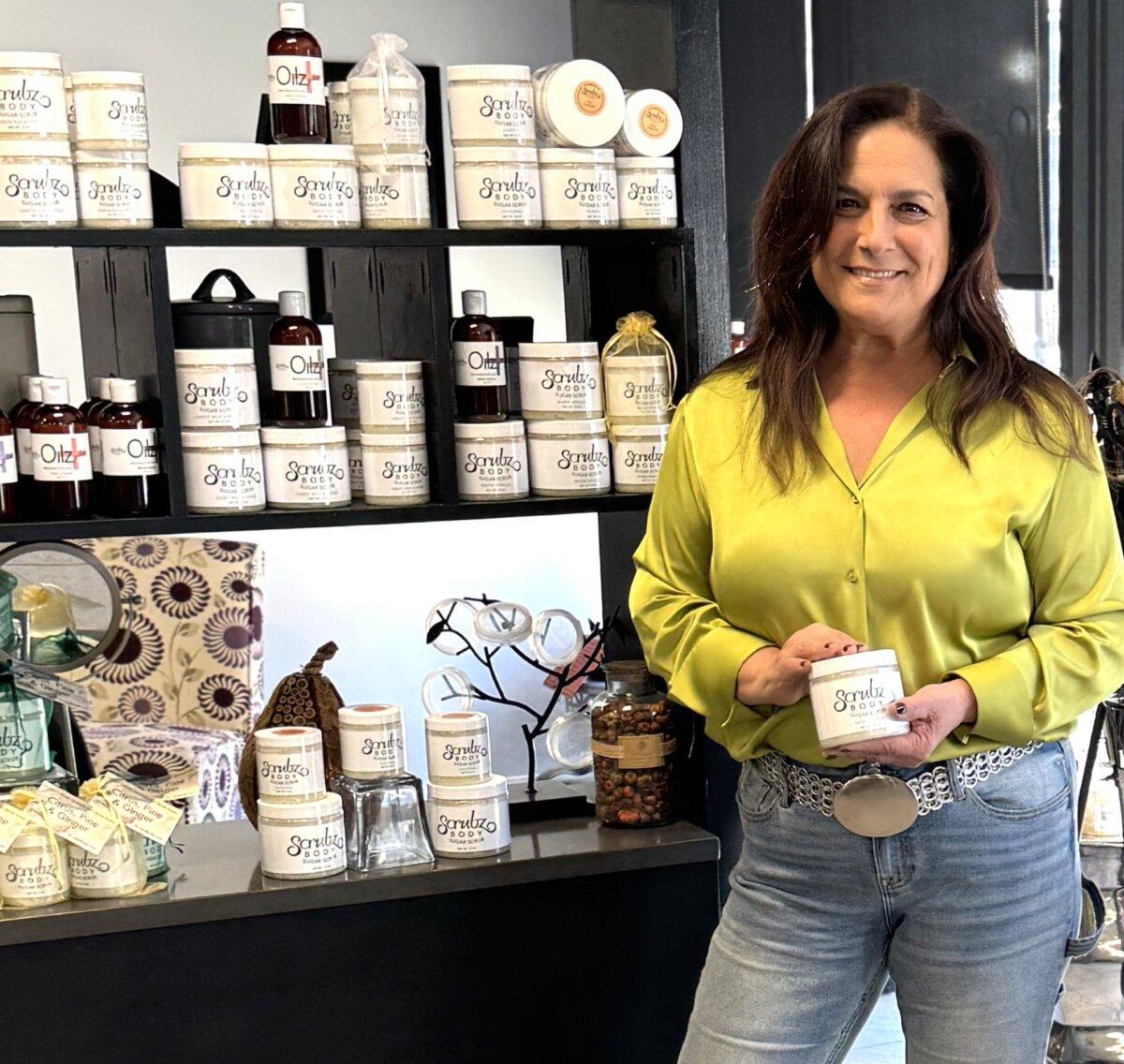
Perry, who has owned ScrubzBody Skin Care in Farmingdale, New York, for almost 20 years, also emphasizes experience.
The Long Island shop carries homemade scrubs, along with body lotions, oils, eye creams, shampoos, conditioners, and other related products. While Perry also sells products online, her core customers look forward to shopping in the store, especially during the holiday season.
“We’ve done the same thing for years—our ‘buy-one-get-one-free’ sale on the Friday before Thanksgiving,” she told The Epoch Times. “Our customers go wild, and it starts our holiday season off with a bang.”
Many of her customers order online and pick up at the store, while others choose to visit in person for the experience.
Occasionally, the store will feature special events and themed parties. “People work hard for their money, and we want to give them the experience, not just the products,” Perry said.
Perry is reluctant to compete with every other retailer on Black Friday, so this year, Nov. 21 will be the firm’s big sale day. Because it’s the week before Thanksgiving, Perry said people are less stressed, and there is no competition with Black Friday.
On Cyber Monday, the company offers free shipping, and by early December, most of Perry’s regular customers have already finished their holiday shopping.
Local Relationship Key
Tami Cannizzaro, chief marketing officer at Thryv, a small business software firm, deals with more than 100,000 small business owners throughout the country. The company’s main focus is to help small retailers get found online and turn leads into customers.“It’s really important for small retailers to leverage that local relationship with their customers,” she told The Epoch Times. “National retailers cannot compete with that, especially when there’s an element of personal service.”
Cannizzaro suggests incorporating events such as small business shopping days along with other local retailers or “residents only” shopping days.
“This will make hyper-local people feel special and will also create an experience for them,” she said. Many of her clients have adopted special events such as “Wine Around Wednesdays,” where shops will offer wine and cheese while customers browse.
For the holidays, Cannizzaro recommends involving the local high school by inviting student singing groups that will bring in parents and friends. Inviting local artists or musicians is another way of creating an experience that customers won’t find online or in larger retail outlets.
Best Deals Often Found in Stores
According to a recent survey involving more than 1,000 U.S. consumers, only 22 percent responded that they plan to shop exclusively in-store this holiday season, while more than 65 percent intend to shop both online and in-store.“These hybrid trends could give smaller retailers an advantage, especially if they offer a flexible shopping experience,” Michael Podolsky, CEO and founder, told The Epoch Times.
Despite the high number of proposed online shoppers, the survey also discovered that more than 44 percent of shoppers admitted they have often found the best holiday shopping deals in stores.
“This is good news for brick-and-mortar retailers,” Podolsky added. “They can attract value-conscious customers through unique promotions, loyalty programs, and targeted discounts.”