Shares of Intel increased by about 30 percent at the opening bell after Nvidia announced a $5 billion investment in the struggling chipmaker on Sept. 18, the latest round of capital injection for the tech firm.
The strategic partnership will see the two tech giants co-develop next-generation data centers and personal computing chips.
Intel will manufacture x86-based central processing units tailored for Nvidia’s artificial intelligence (AI) infrastructure, while also developing chips that integrate Nvidia’s RTX GPUs to power next-generation computing devices.
Nvidia CEO Jensen Huang said the key objective is to power “a new industrial revolution” by advancing AI applications for both consumers and enterprises.
Lip-Bu Tan, CEO of Intel, said his company’s chip architecture will complement Nvidia’s “leadership to enable new breakthroughs for the industry.”
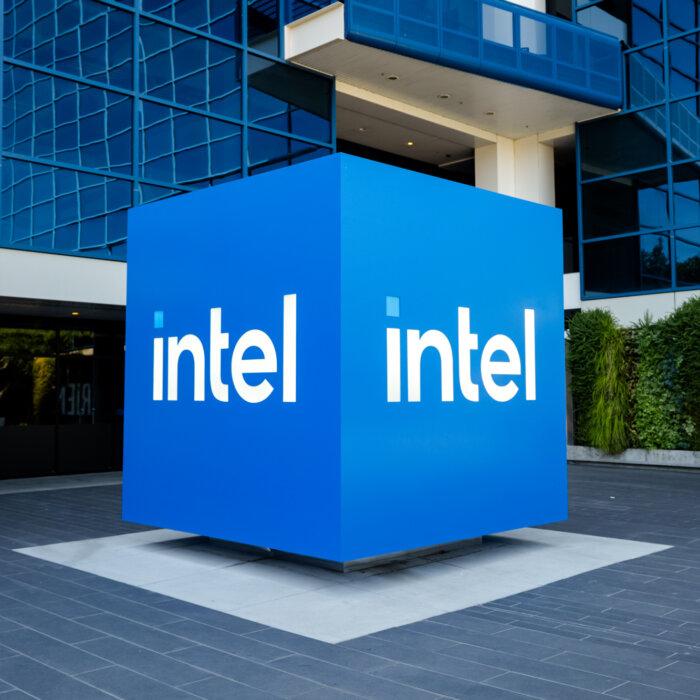
Nvidia will invest $5 billion in common stock at a purchase price of $23.28 per share.
Wall Street Reaction
Shares of Intel increased by as much as 30 percent at the opening bell, climbing above $30.After falling to its lowest level in about a decade earlier this year, the stock has rebounded. This year, Intel shares have increased by more than 50 percent.
Intel has been rallying since speculation that the U.S. government would invest in the company. President Donald Trump confirmed in August that Washington would obtain a 10 percent ownership stake, or 433.3 million shares, in the chipmaker, worth $8.9 billion.
Japan’s SoftBank also announced a $2 billion investment in Intel last month.
Shares of Nvidia rose by about 2 percent, adding to its year-to-date gain of about 25 percent. The tech juggernaut recently became the world’s first publicly traded company to reach a $4 trillion market capitalization.
Advanced Micro Devices (AMD) recently saw its shares come under pressure, falling by about 4 percent following the news about Intel and Nvidia.

“NVIDIA is to Intel what MSFT was to Apple in 1997.”
In August 1997, when Apple was on the brink of bankruptcy, Microsoft invested $150 million in its rival. The deal involved Apple’s designation of Internet Explorer as the default web browser on Mac computers, Microsoft’s commitment to supporting Microsoft Office for Mac for five years, and a patent cross-licensing agreement between the two companies.
The investment was a financial lifeline for Apple, and it helped Microsoft avoid accusations of monopolistic behaviors, effectively maintaining a competitive ecosystem.
Overall, the tech sector is enjoying exceptional capital investments as the industry remains hyper-focused on artificial intelligence, according to Bas Kooijman, CEO and asset manager of DHF Capital S.A.
“The sector’s outlook remains buoyed by relentless investment in artificial intelligence. Despite regulatory turbulence, capital continues to flow into AI-driven ventures,” Kooijman said in a note emailed to The Epoch Times.
“Billion-dollar deals remain common in the field as the AI buying spree continues, driving demand for AI companies.”
Meanwhile, investors jumped back into the stock market as the Federal Reserve lowered interest rates at the September Federal Open Market Committee policy meeting for the first time since December. The Fed also signaled two more rate cuts this year. The moves will effectively lower borrowing costs for businesses, allowing companies to invest in growth, research and development, and headcount.