
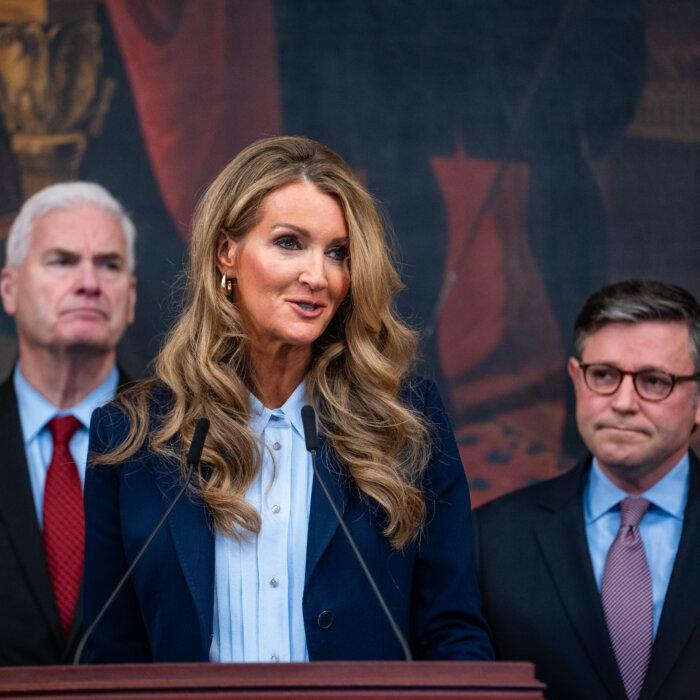
Federal officials are reviewing approximately $1.2 trillion in payouts to root out fraudsters, according to Kelly Loeffler, administrator of the Small Business Administration (SBA).
She highlighted patterns of fraud affecting the government, including the widespread abuse of the SBA’s 8(a) business development programs that offer funding for small businesses, including education and child care organizations, that was revealed in Minnesota.
“It’s a huge cost to the American people when these programs are defrauded,” Loeffler said. “So we have a whole path; we’re cracking down on that.”
An investigation looking back 15 years will include audits—the first in the program’s 45-year history, according to the administrator.
Fraud Spread Nationwide
Officials will next use the investigative framework “to go state by state” and identify illegitimate payouts that were “very much driven during COVID,” she said.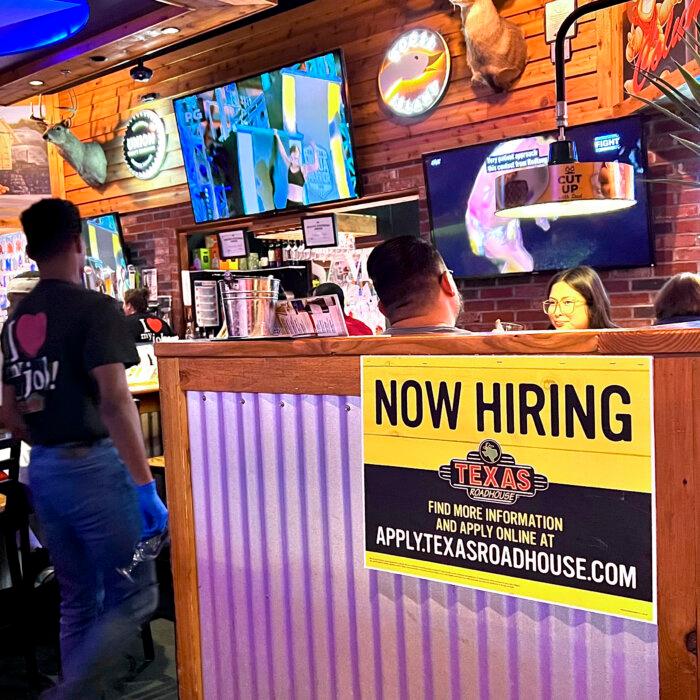
Businesses asked to reduce operations—or shut down entirely, in some instances—were negatively affected during the COVID-19 pandemic, which Loeffler said necessitated federal intervention.
“It was devastating, and would have been even more devastating had that federal assistance not come out,” she said. “And most small businesses were legitimate and used it for good, kept their employees on the payroll, and made a huge difference locally.”
Others saw the influx of federal benefits as a chance to reap rewards, which, combined with limited oversight, led to widespread abuse of the program, she said.
“There’s a certain group of actors that saw opportunity in disaster and defrauded the government,” Loeffler said. “What we know now is they come back to the trough.”
President Joe Biden’s administration forgave thousands of loans that were flagged as potentially fraudulent, she noted.
“They were not ever further investigated,” Loeffler said. “Those cases were closed; those loans were being forgiven.”
Federal investigators are now reviewing each loan to determine whether further action is warranted.
Cross-Agency Cooperation
Fraud affects agencies across the federal government, as administrators from the Departments of Agriculture, Housing and Urban Development, and Health and Human Services, among others, have increased audits and review practices. Leaders are coordinating efforts to better identify problem areas and solutions.Contracts for social and economic benefit programs funding 4,300 organizations are under scrutiny after improper payouts were discovered, according to the administrator.
“There’s a lot of fraud in those programs,” Loeffler said.
The SBA sent letters to individuals associated with the organizations in 2025 and said that responses were due back this month. Anyone who fails to provide financial details and other requested information will face penalties.
Investigating Debanking
Officials are also looking into debanking, which is the forcing out of individuals and businesses from financial institutions for ideological or political purposes.“We understand that debanking is a real thing in this country,” Loeffler said.
She highlighted SBA efforts to investigate the issue, including sending approximately 5,000 letters asking for more information.
Trump and Loeffler were among many individuals who had accounts forcibly closed in recent years, she said.
Supporting Small Businesses
The SBA was founded in 1953 by President Dwight D. Eisenhower to guide small business development by providing access to capital through guarantees to lenders, consulting services, and opportunities to procure government contracts.Loeffler said the Biden administration deprioritized the agency while overseeing a change in workforce logistics that saw approximately 90 percent of employees working from home.
“Well, particularly in the last four years, the SBA was dormant,” she said. “So sadly, our main street job creators saw a complete absence of the SBA.”
Trump’s focus on America first and reshoring manufacturing are an abrupt shift from prior administrations’ agendas, she said.
“Small businesses are really refueling our onshoring renaissance, along with President Trump’s policies,” Loeffler said.
Under her leadership, she said, the agency is committed to guiding Congress toward deregulation and pro-business legislation.
Humble Beginnings
A fourth-generation small farmer from Illinois, Loeffler started on her path to being a Cabinet official in the field at 8 years old.She worked as a waitress in high school and college before becoming the first college graduate in her family and launching her career as a financial analyst.
“I felt like, based on my financial acumen, I wanted to bring that to Washington, because I saw it completely absent when I was in the private sector, and being regulated and being told what we could and couldn’t do by people who didn’t know our business, didn’t understand free enterprise or fair markets or transparency or reporting or accountability,” Loeffler said.
“So that’s what I went to Washington to do, because I knew that as a farm kid, I owed it to every other young person who didn’t believe that the federal government understood them, that they had someone up there fighting for them.”