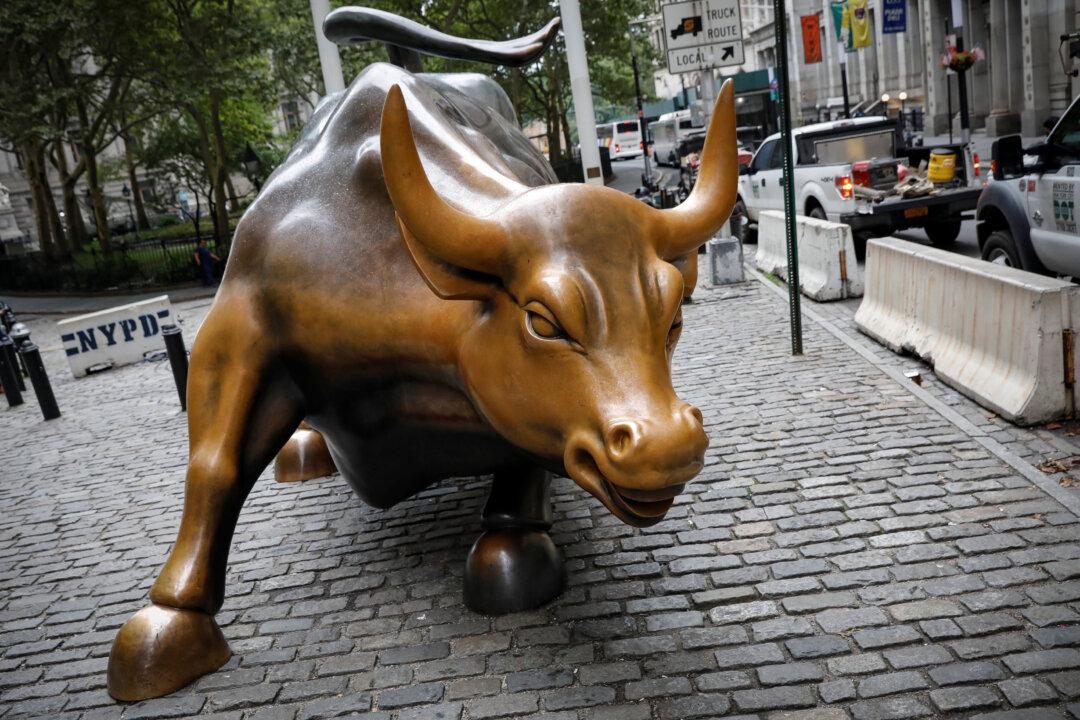
U.S. economic growth nearly flatlined at the end of 2025. The fourth-quarter gross domestic product (GDP) growth rate was 0.5 percent, according to the Bureau of Economic Analysis’s final estimate, released on April 9.
This is a downward revision from last month’s estimate of 0.7 percent, reflecting modest downward adjustments to investments and consumer spending.
Although advanced forecasts had presented GDP estimates as high as 5 percent, the final reading was likely driven, in part, by the record-breaking 43-day federal government shutdown.
The federal government erased almost 1 percentage point from the GDP print.
Consumer spending and investments were the main drivers of growth. Net exports fell because of a slight increase in imports, which subtract from GDP calculations.
Wholesale trade, information, health care and social assistance, and retail contributed the most to the October–December period. Conversely, nondurable goods manufacturing, transportation and warehousing, and construction trimmed the GDP.
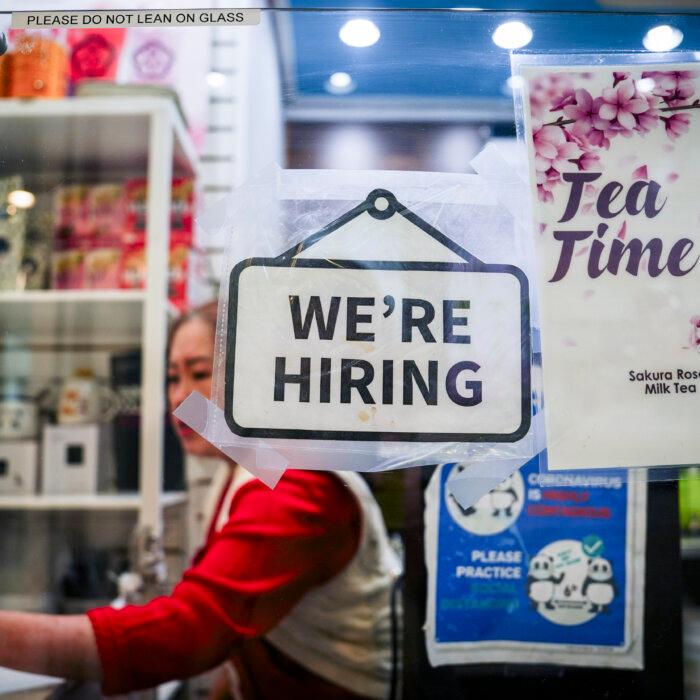

As for inflation, the fourth-quarter personal consumption expenditure (PCE) price index held steady at 2.9 percent. Core PCE, which strips out food and energy, came in at 2.7 percent.
The war in Iran has thrown a wrench into the economic outlook.
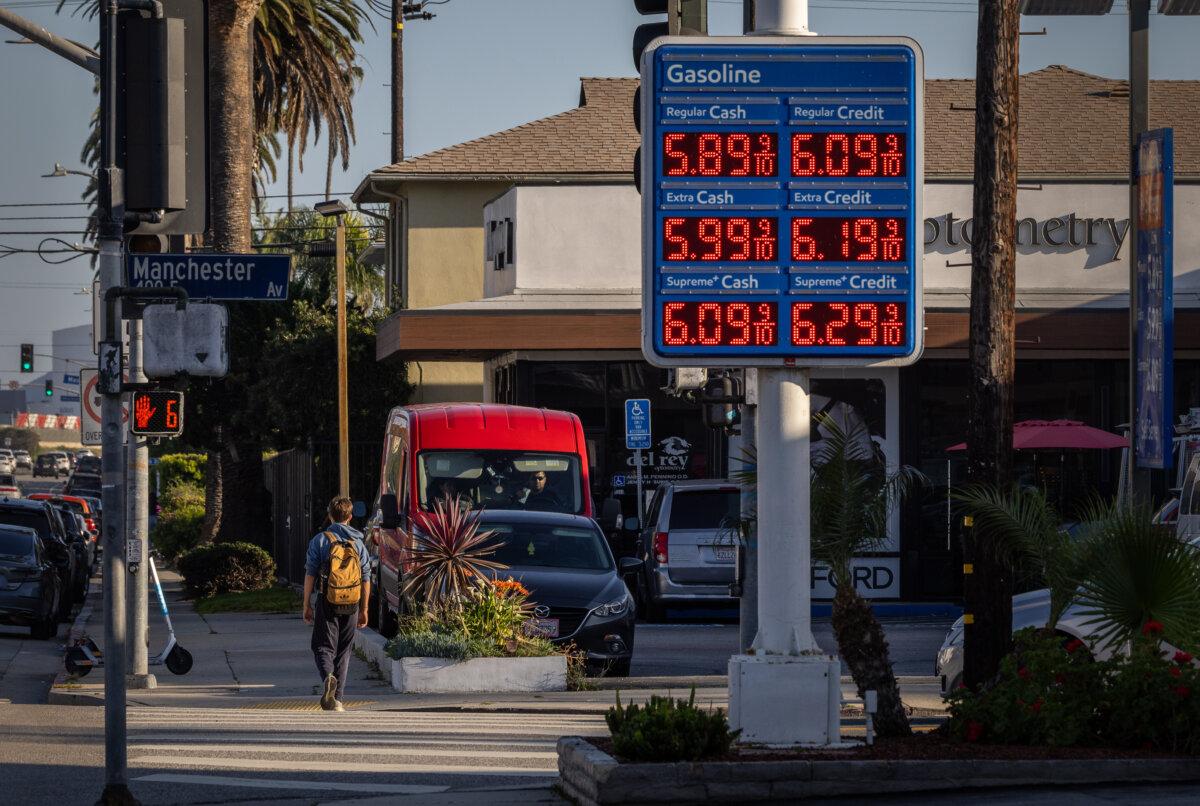
A chief concern among economic observers and monetary policymakers is that the longer the conflict drags on, the more elevated oil prices will filter through the U.S. economy and affect consumption.
“It is difficult to say how long the conflict in the Middle East and related disruptions could last,” Federal Reserve Vice Chair Philip Jefferson said in a speech this week.
“Should elevated energy prices persist, they can weigh on consumer and business spending. This potential adds considerable uncertainty to the global economic outlook.”
San Francisco Federal Reserve President Mary Daly stated that the economy’s fundamentals remain in a “good place.”
“What we’ve seen is consumers are still spending, businesses are still investing,” Daly said at an event hosted by the St. George Area Chamber of Commerce in Utah.
Outlook Remains Uncertain
Consumer spending has supported the economy’s resilience since the COVID-19 pandemic. Capital expenditure—primarily from artificial intelligence—has bolstered growth, but the consumer still accounts for two-thirds of growth prospects.The widely watched Atlanta Federal Reserve GDPNow Model suggests first-quarter growth will be about 1 percent.
Updated estimates have included downward revisions to consumer spending, from a peak of 1.32 percent a month ago to 0.87 percent on April 7.
Near-term inflation developments could also be a significant factor for growth moving forward.
The first major inflation report since the war in Iran began will be released on April 10.
Consensus forecasts suggest that the March annual consumer inflation rate accelerated firmly above 3 percent because of soaring oil and gas prices. April’s reading is also expected to edge higher.
But although the war-driven spike in oil prices is capturing attention, the U.S. market continues to absorb President Donald Trump’s sweeping global tariffs.
The view among several Fed officials is that structural aggregate inflation—excluding levies and oil—is holding steady, hovering slightly above the central bank’s 2 percent target. But pockets of the economy still suggest that tariffs have raised prices, said David Kelly, chief global strategist at JPMorgan Asset Management.
Services inflation, for example, has eased from 4.1 percent to 3.1 percent. Conversely, goods inflation has risen from 0.5 percent to 1.3 percent.
“The decline in services inflation was largely due to lower shelter inflation and had nothing to do with tariffs,” Kelly said in a March 30 research note.
“It is also worth noting that while falling services inflation masked the impact of tariffs in the year that ended in February, much higher energy prices in March and April should lead to a significant boost in measured inflation in the months ahead.”
Multiple surveys of businesses in the manufacturing and services sectors indicate a surge in input costs due to the Iranian conflict.
Odds of a recession—back-to-back quarters of negative GDP growth—have ticked up recently.
RSM economists say the chance of a downturn over the next 12 months is 30 percent. But the base case is lower growth; the firm’s 2026 GDP forecast was adjusted to 1.7 percent from 2.4 percent.
“Domestic businesses should anticipate that American households will prioritize spending on necessities like food and gasoline this year at the expense of discretionary items,” Joseph Brusuelas, chief economist at RSM, said in an April 8 research note.
“For example, staycations rather than vacations will most likely be the norm given the rise in the cost of airfares, lodging, travel and transportation.”
Others have said that the United States is far more insulated from global energy shocks than it was in the past.
Even if crude oil prices remain at $100, the economy could weather the storm, according to Bill Adams, chief economist at Fifth Third Commercial Bank.
“The macro effects of higher oil prices are very different now that the U.S. is a net petroleum exporter than they were during the last oil shock in the mid 2000s,” Adams said in a note emailed to The Epoch Times.
Looking ahead to the second quarter, the New York Fed’s Staff Nowcast estimates a solid 2.8 percent expansion.