PJM Interconnection, the nation’s largest electric grid operator, issued alerts on July 15 as a heat wave pushed electricity demand higher and exposed mounting strain on a power grid grappling with surging data center consumption.
Data from the grid operator showed transmission line congestion, including around northern Virginia, home to the world’s largest concentration of data centers. Virginia leads the nation with 398 operating data centers and 287 planned, according to the Pew Research Center.
PJM, which operates the grid for about 67 million people in the Mid-Atlantic, South, and Midwest, warned on Wednesday that the region’s power network was under stress as homes and businesses cranked up air conditioners amid soaring temperatures.
Since 2024, so-called capacity prices determined by auction have jumped by more than 1,000 percent due to that supply-and-demand imbalance.
That’s raised energy bills for those living in the regions covered by PJM, or about one in five Americans.
PJM reported on July 14 that the cost to secure enough electricity to cover the highest-demand days on the grid would exceed $16 billion, according to its latest annual capacity auction results. Without price caps, the cost would have been nearly $30 billion, PJM said.

The auction fell short of meeting PJM’s reserve margin target by about 7 GW, weakening the grid’s buffer against wild weather and other unforeseen events.
“This year’s auction confirms an unacceptable trend: data center load growth is outpacing new electricity supply, degrading reliability, and keeping prices at the cap,” said Claire Lang-Ree, a climate and energy advocate at the National Resources Defense Council.
On Wednesday, temperatures in PJM’s region hovered around 90 degrees Fahrenheit in Chicago, Philadelphia, and Washington. PJM set an all-time demand record of 168.2 GW on July 2.
With heavy transmission line bottlenecks, spot electricity prices surged to more than $300 per megawatt-hour (MWh) around noon on Wednesday.
Earlier in the day, prices were around $30 per MWH before residents and businesses cranked up their air conditioning use.
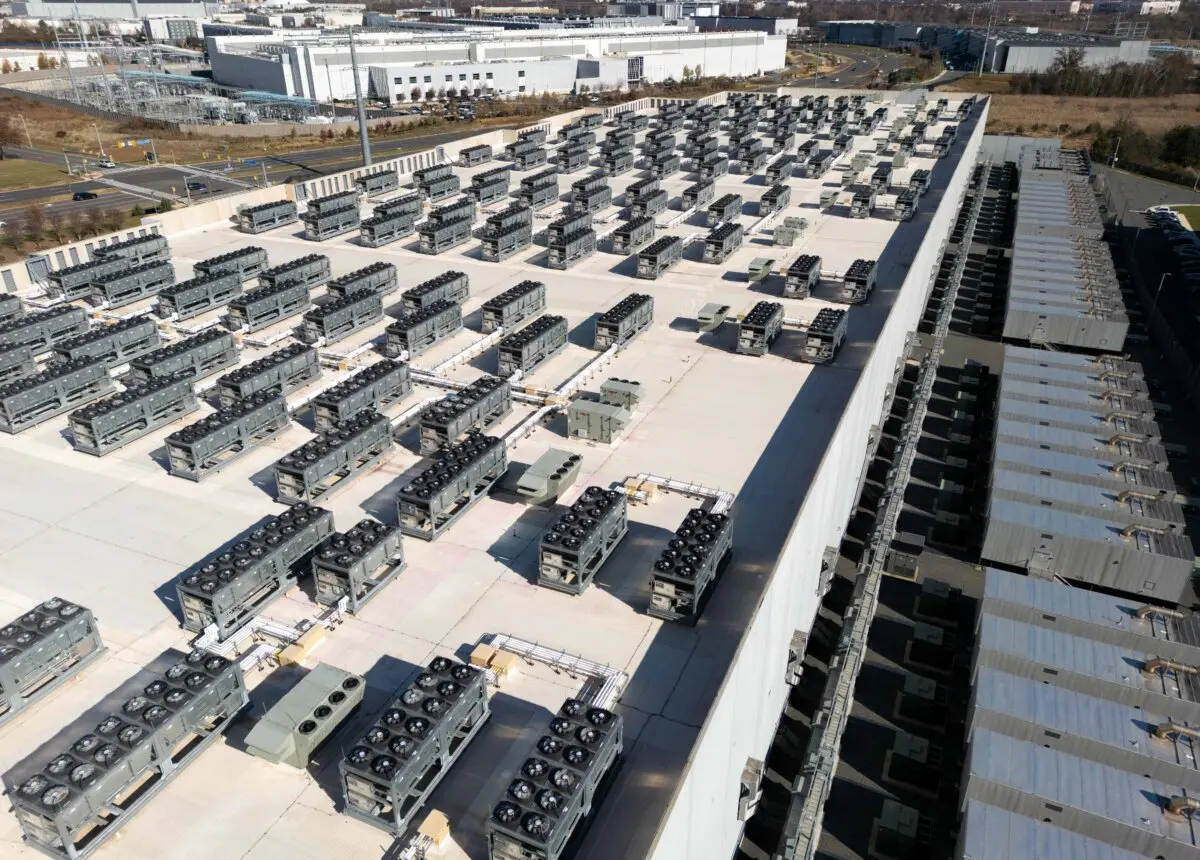
PJM is adding new rules and policies to accommodate new electricity demand from large energy users such as data centers, which the grid operator says are the main driver of additional new demand.
In an effort to fill the recent shortfalls, PJM has proposed holding a separate type of backstop auction. Details about how that process will work are still being worked out.
Heatwave Health
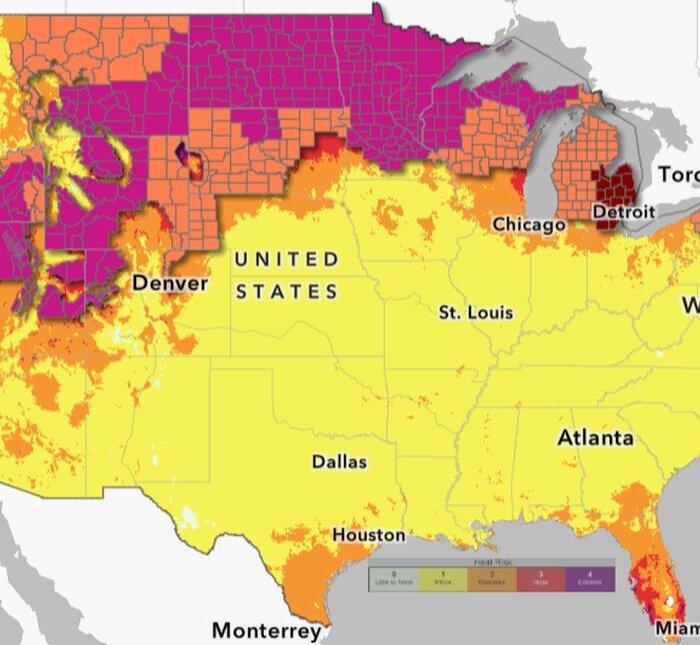
It has been a sweltering start to the summer across much of the United States. The blistering temperatures over the past few weeks have caused heat-related deaths in New Jersey and helped fuel wildfires in the West.Health experts say that high overnight temperatures are particularly dangerous because there’s no time for the body’s core temperature to cool down and recover from daytime heat.
“That’s where the health outcomes are amplified, particularly for the elderly and vulnerable communities,” University of Georgia meteorology professor Marshall Shepherd said.

Just a few degrees of increased body temperature can lead to heatstroke or place excessive strain on the heart.
If nighttime temperatures don’t cool your body down, the health risks more often show up the next day, said Kristie Ebi, a public health and climate scientist at the University of Washington.
“Mortality starts the second or third day” because the body is unable to cool, she said on July 13.

Early warning signs include heavy sweating, muscle cramps, and headache.
“It’s hard to know you’re getting in trouble with the heat. This is why we need to be more proactive,” Ebi said.
Beating the Heat Without Air Conditioning
Even without air conditioning at home, there are ways to find relief.Stop by a library or a mall. Sit in front of a fan and spray water on your skin.

Put your feet in cold water. Soak your clothes in water and, of course, drink plenty of water.