In a last-ditch effort to acquire the Warner Bros. entertainment empire, Paramount Skydance has launched a hostile bid to purchase the company’s legacy assets.
Last week, streaming juggernaut Netflix outlasted competitors in a months-long battle to buy Warner Bros., beating out Paramount and Comcast.
But Paramount is taking its case to Warner Bros. shareholders, stating that it has an offer that “will create a stronger Hollywood.”
The proposal is backed by equity financing from RedBird Capital and the Ellison family, as well as $54 billion in debt commitments from Bank of America, Citi, and Apollo Global Management.
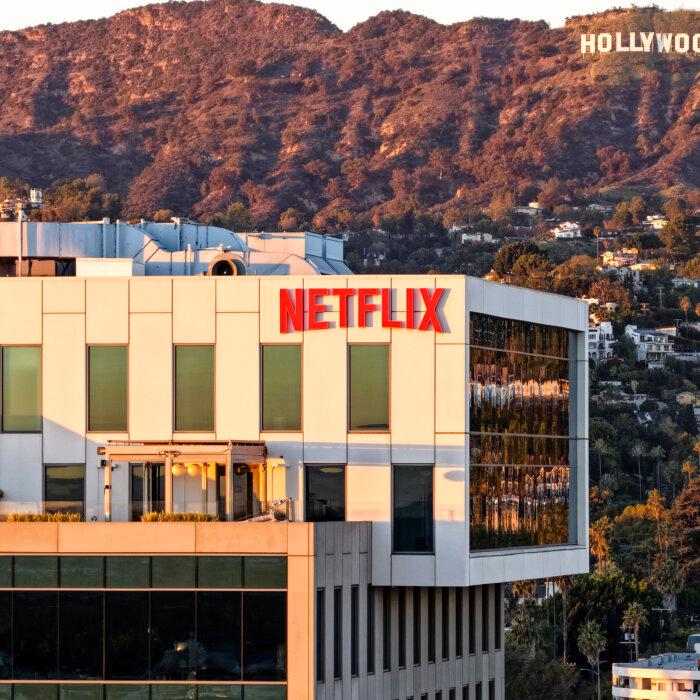
The current deal that Warner Bros. is moving forward with is “inferior,” Paramount Skydance CEO David Ellison said.
Over a 12-week period, Paramount submitted six proposals, but Warner Bros. “never engaged meaningfully,” forcing the company to reach out directly to shareholders, he said.
Ellison said the Netflix–Warner Bros. deal exposes investors to a cash‑and‑stock mix, uncertain future trading value for the Global Networks linear cable business, and a complex regulatory approval process.
“We believe our offer will create a stronger Hollywood,” he said. “It is in the best interests of the creative community, consumers, and the movie theater industry.”
Paramount thinks that its proposed transaction would deliver benefits through stronger competition, increased content investment, expanded theatrical release output, and a larger slate of films in theaters.
He expressed confidence that investors would vote in favor of the Paramount proposal.
“We’re really here to finish what we started,” Ellison said.
Political Pushback and Regulatory Roadblocks
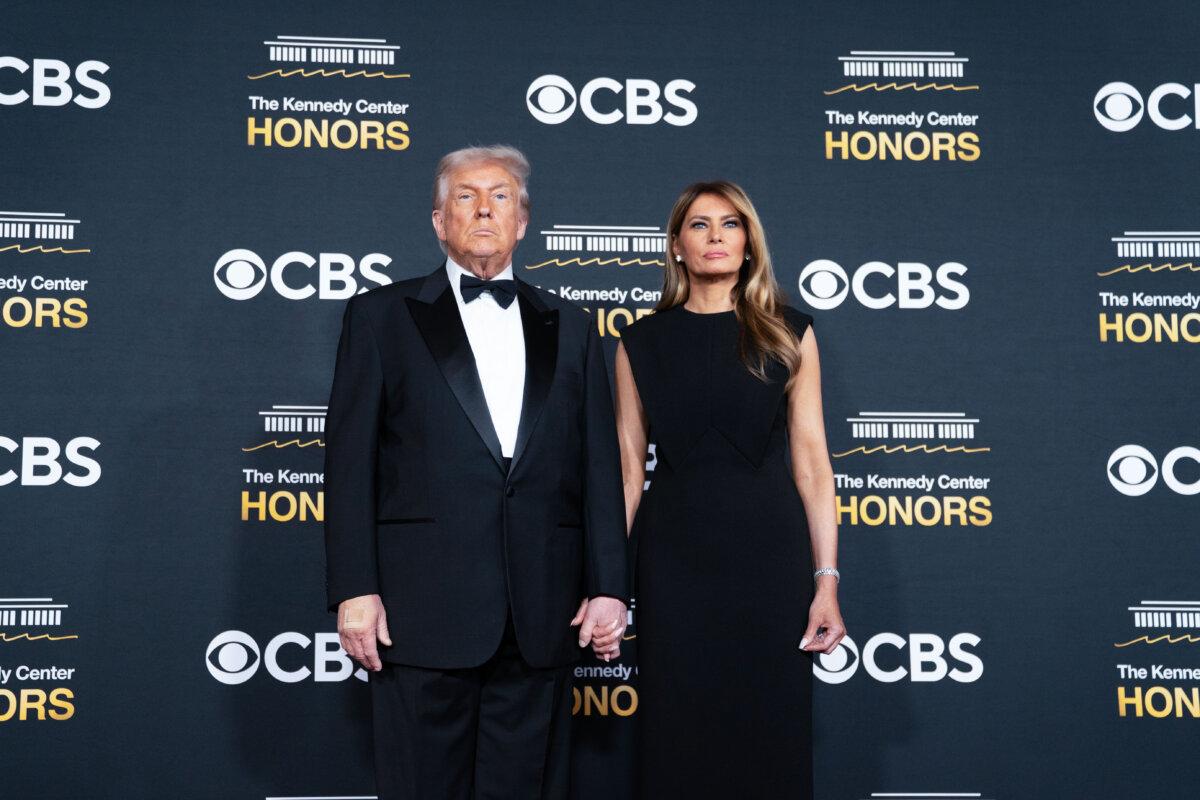
President Donald Trump weighed in on the merger between Netflix and Warner Bros., warning that “it could be a problem.”“Well, that’s the question,” Trump said when asked by reporters on the red carpet before a Dec. 7 event at the Kennedy Center in Washington whether the deal should be allowed.
“[Netflix has] a very big market share, and when they have Warner Bros., you know, that share goes up a lot. But it is a big market share. There’s no question. It could be a problem.”
The merger has also drawn a sharp rebuke from some U.S. lawmakers.
Sen. Elizabeth Warren (D-Mass.) called it an “anti-monopoly nightmare.”
“A Netflix–Warner Bros. would create one massive media giant with control of close to half of the streaming market—threatening to force Americans into higher subscription prices and fewer choices over what and how they watch, while putting American workers at risk,” Warren said in a Dec. 5 statement.
Rep. Pramila Jayapal (D-Wash.) urged the federal government to intervene.
“The media industry is already controlled by a few corporations with too much power to censor free speech. The government must step in.”
Netflix agreed to pay the company $5.8 billion if the deal is not approved.
Netflix (NFLX) share prices fell by 4 percent following Paramount’s announcement, paring the company’s year-to-date gain to less than 9 percent.
Paramount (PSKY) share prices, meanwhile, increased by almost 7 percent, adding to this year’s gain of about 21 percent. Warner Bros. (WBD) share prices also increased by more than 5 percent and have soared by 158 percent this year.