Advanced Micro Devices (AMD) and OpenAI have reached a deal that could see Sam Altman’s artificial intelligence (AI) juggernaut obtain a 10 percent stake in the chipmaker.
OpenAI will use AMD’s Instinct GPUs to power its next-generation AI infrastructure, with the first gigawatt of compute scheduled to launch in the second half of 2026.
It is unclear how OpenAI will finance the lucrative deal with AMD.
As part of the agreement, AMD has granted the ChatGPT maker a warrant for up to 160 million shares of its common stock—the company has approximately 1.6 billion shares outstanding—contingent on the achievement of specific milestones.
Ultimately, OpenAI could obtain a 10 percent ownership stake in AMD.
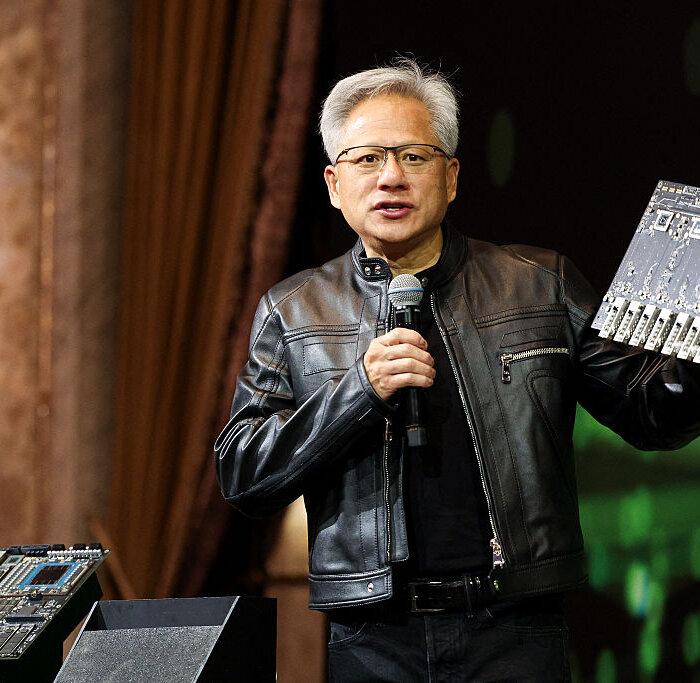
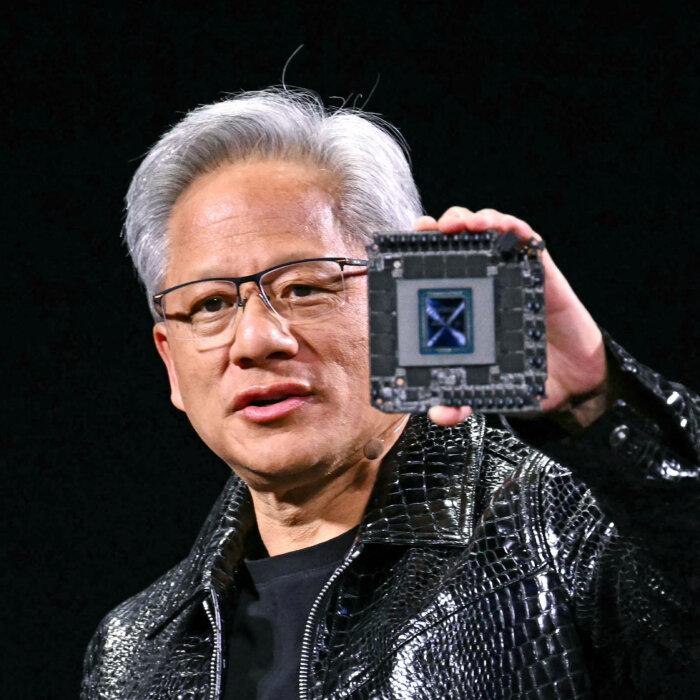
AMD CEO Lisa Su said during a conference call on Oct. 6 that the deal is “a major inflection point for us,” noting that the partnership creates ”a true win-win” that further enables today’s AI buildout.
“This unique structure tightly aligns OpenAI and AMD, driving significant revenue and earnings growth for AMD, while allowing OpenAI to accelerate their AI build-out and share directly in the upside of our mutual success,” Su said in the webcast.
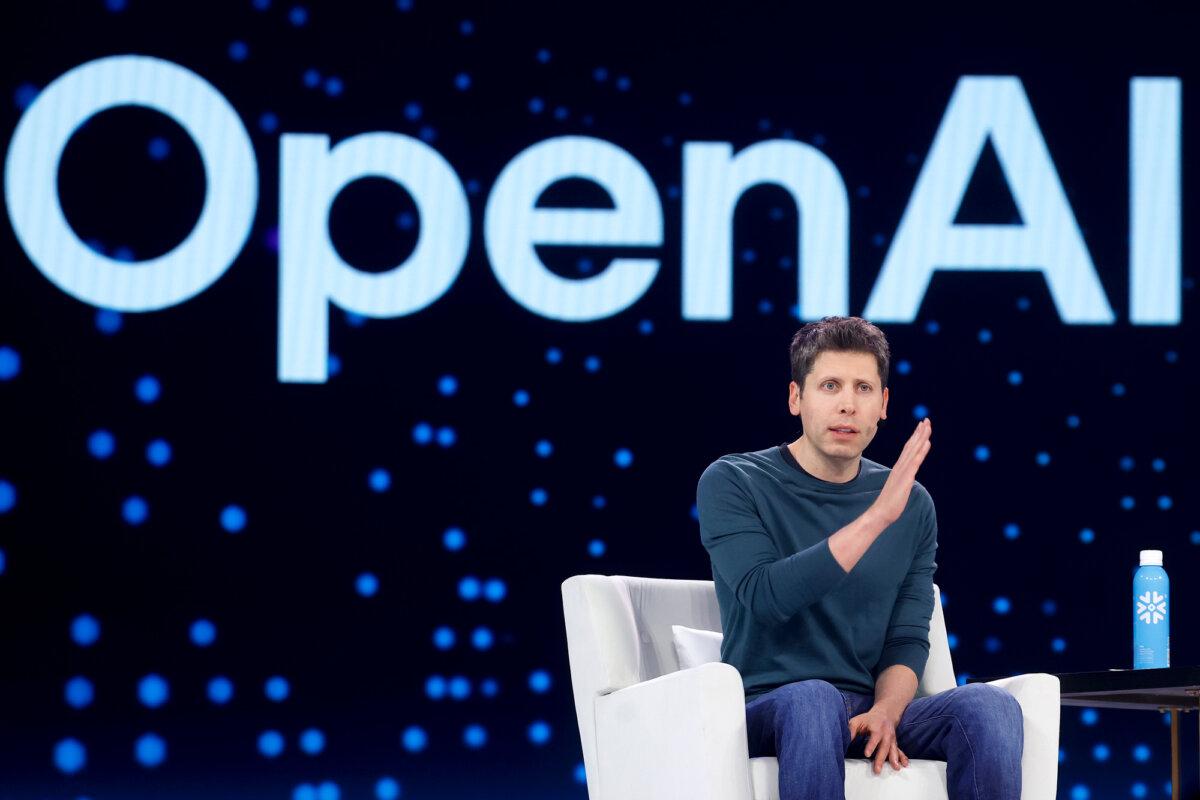
The new deal ensures that AI’s full potential is realized, according to Sam Altman, co-founder and CEO of OpenAI.
“This partnership is a major step in building the compute capacity needed to realize AI’s full potential,” Altman said in a news statement. “AMD’s leadership in high-performance chips will enable us to accelerate progress and bring the benefits of advanced AI to everyone faster.”
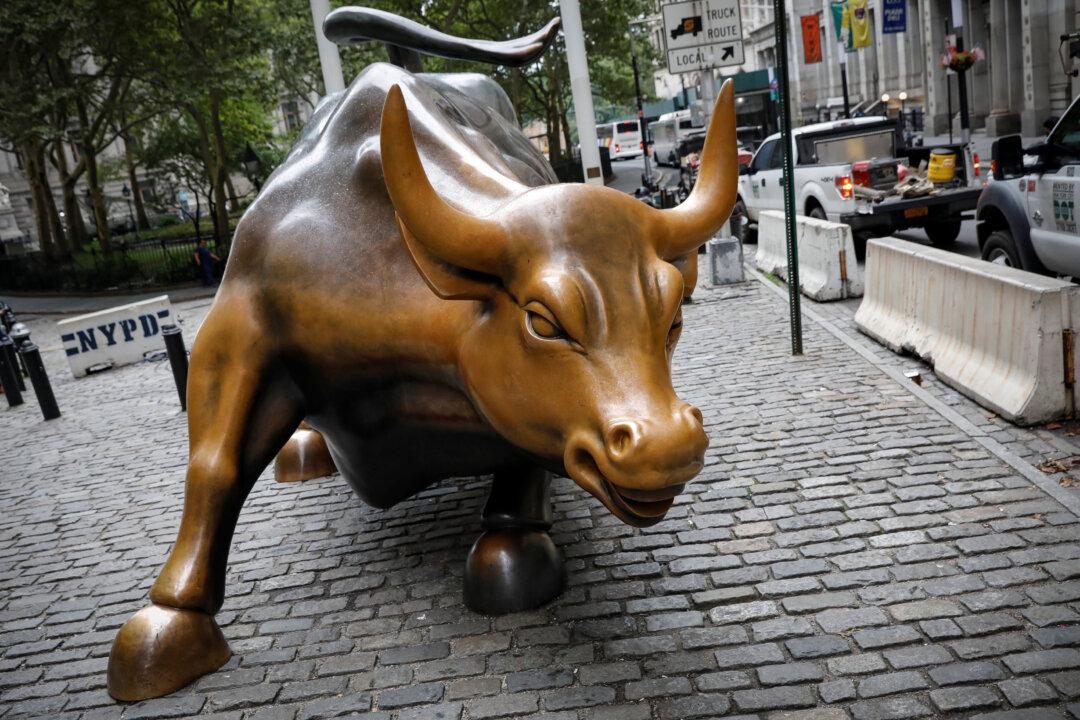
Wall Street Believes AI Hype
This is a “breakthrough achievement” for AMD, Patrick Moorhead, founder and chief analyst at Moor Insights & Strategy, said in a social media post.If both sides adhere to the provisions in the deal, they will each benefit.
“If either side misses, the dilution doesn’t happen,” he said.
“It’s a smart way to bind supply, economics, and execution in one structure.”
Nvidia announced a $100 billion investment agreement with OpenAI on Sept. 22, adding another layer to the increasingly complex and interconnected nature of the AI corporate landscape.
‘Unbearable FOMO’
OpenAI, Oracle, and Japan’s SoftBank announced five new U.S. AI data center locations last month as part of Stargate, a $500 billion artificial intelligence infrastructure initiative led by the three companies.Since the AI boom began three years ago, a small group of tech behemoths has dominated the construction, deployment, and investment of the underlying infrastructure.
Hype over artificial intelligence has allowed financial markets to shrug off the U.S. government shutdown and disappointing employment data, with the leading stock market benchmark indexes flirting with fresh highs.
“AI doesn’t care about shutdowns,” Ipek Ozkardeskaya, senior analyst at Swissquote Bank, said in a note emailed to The Epoch Times.
Despite valuations being high and speculation that Wall Street could be sitting inside another tech bubble comparable to the dot-com bubble 25 years ago, traders remain bullish, she said.
“Valuations are high, and some investors wonder whether this is another tech bubble,” Ozkardeskaya said. “But a bubble, by definition, isn’t a bubble until it bursts. That leaves global investors with an unbearable FOMO, fear of missing out on a further rally, which keeps valuations elevated.”
The blue-chip Dow Jones Industrial Average rose by about 0.2 percent, while the broader S&P 500 added almost 0.3 percent. The tech-heavy Nasdaq Composite Index rose by nearly 0.9 percent.
The Senate is scheduled to vote again on government funding bills on Oct. 6. While the vote could reopen the government, predictive markets suggest that the shutdown could last for two weeks.