Crude oil prices were little changed on Nov. 3, shrugging off OPEC+’s plans to pause its supply increase in the first quarter of 2026.
Brent crude, an international benchmark for oil prices, slipped by about 0.2 percent, to approximately $64.60 a barrel on London’s ICE Futures exchange.
Both U.S. and Brent oil prices have declined by about 14 percent this year.
OPEC+ delegates—namely from Algeria, Iraq, Kazakhstan, Kuwait, Oman, Russia, Saudi Arabia, and the United Arab Emirates—also confirmed that they would suspend output hikes in the first quarter. The decision is in anticipation of a seasonal slowdown in demand.
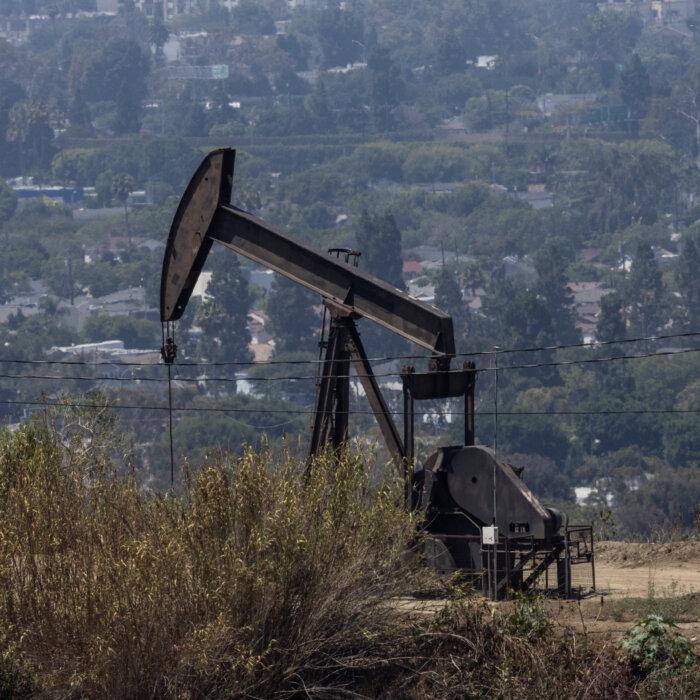

“In view of a steady global economic outlook and current healthy market fundamentals, as reflected in the low oil inventories, the eight participating countries decided to implement a production adjustment of 137,000 barrels per day from the 1.65 million barrels per day additional voluntary adjustments announced in April 2023,” OPEC officials stated.
Assessing Oil Market Conditions
Despite periods of conflict-fueled volatility in international energy markets this year, oil prices have been trending downward on concerns regarding a global oil supply glut and weaker economic conditions in Asia.However, continued fighting in the Ukraine–Russia war, strengthened sanctions on Moscow, and potentially slower drilling activity in the United States could mitigate oversupply fears.
The Trump administration implemented new sanctions on Russia’s two largest oil firms—Lukoil and Rosneft—as part of broader efforts to pressure Moscow into stopping its war in Ukraine.
Kyiv has also intensified its attacks on Russian energy infrastructure, particularly its refineries, which have exacerbated supply concerns in the distillate market.
At the same time, despite fewer active rigs, domestic crude output has remained at record levels.
Volumes could start to slow in the year ahead, according to ING commodity strategists.
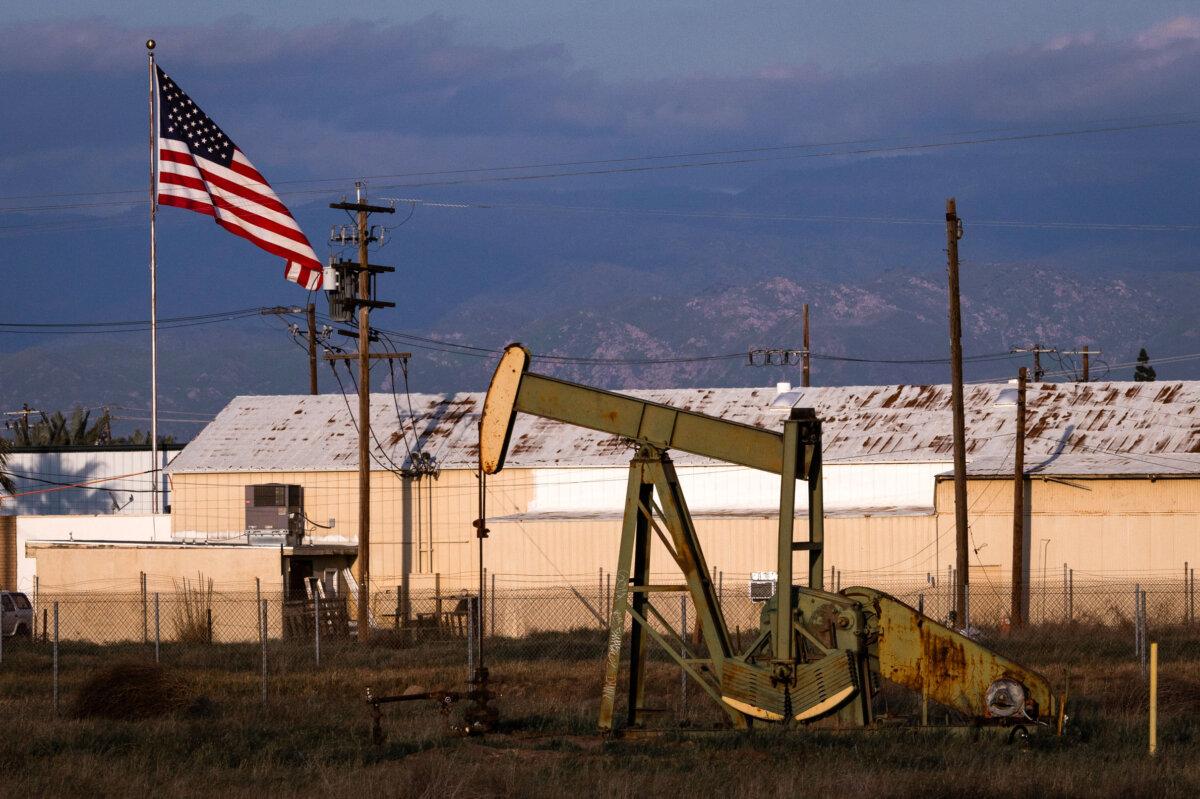
“The administration is pushing for $40 per barrel crude oil, and with tariffs on foreign tubular goods, [input] prices are up, and drilling is going to disappear. The oil industry is once again going to lose valuable employees,” the executive stated.
Multiple forecasts indicate that oil prices could remain low heading into the new year.
“The long-term trend in oil remains decidedly bearish with a sizeable surplus expected in 2026 set to keep pressure on energy prices,” Tom Essaye, president and co-founder of the Sevens Report, said in a note emailed to The Epoch Times.
The modest supply shift by OPEC+ may prompt analysts to adjust their forecasts.
“The decision to halt quota hikes during the first quarter does not materially change our production forecasts but still sends an important signal, i.e., the group is still adjusting supply in response to market conditions,” Morgan Stanley stated.
In other energy markets to kick off the trading week, natural gas prices rose by about 0.6 percent, to $4.40 per million British thermal units. Gasoline and heating oil futures were little changed at $1.91 and $2.39 per gallon, respectively.