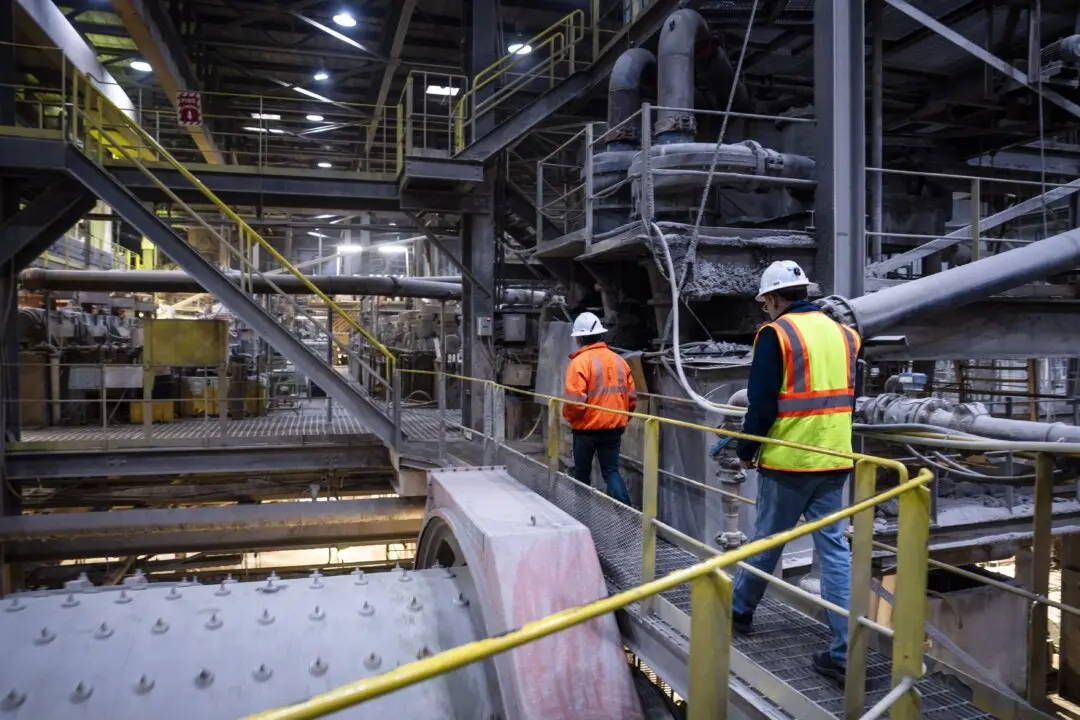
Brent crude oil futures opened higher on late Sunday from Thursday’s closing, breaking through the $111 per barrel level amid concerns that the Iran war could potentially worsen over the coming week.
On March 31, oil prices hit its weekly high of over $119 per barrel. Prices then collapsed to as low as around $98 on Wednesday, before subsequently jumping to more than $109 on Thursday. The markets were closed on Easter Friday. On late Sunday, oil hit a high of $111.89 and was trading at $110.73 as of 9:50 p.m. ET.
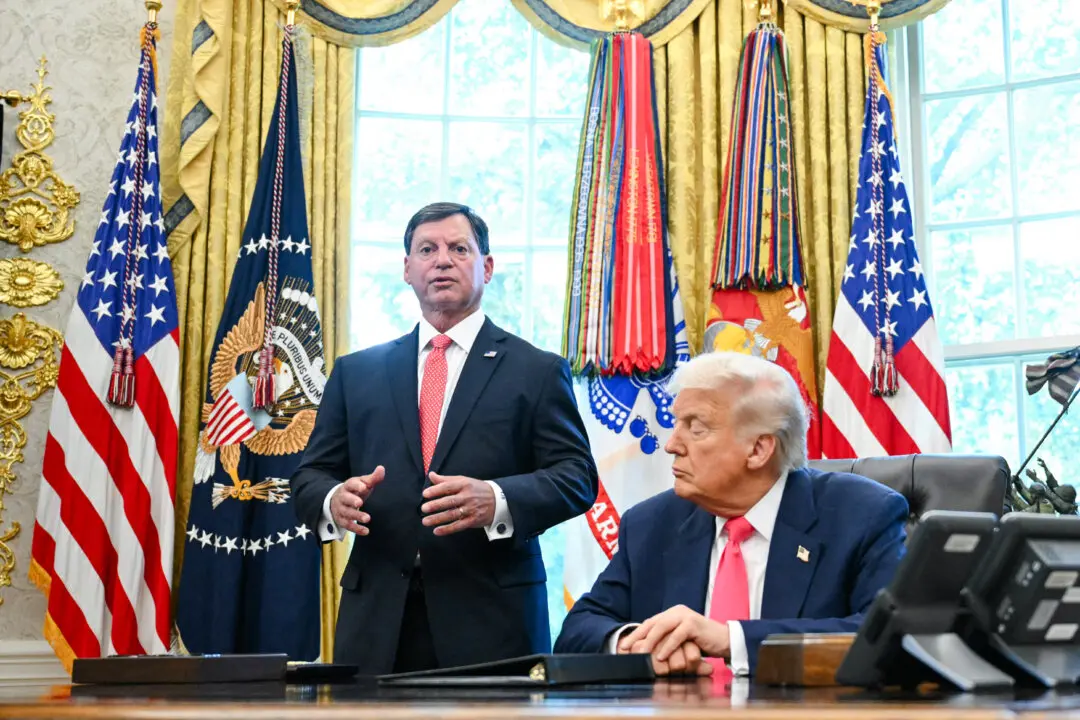
The renewed surge in oil prices comes as an ultimatum issued by President Donald Trump to Iran ends on Monday.
In an April 5 post on Truth Social, Trump warned, “Tuesday will be Power Plant Day, and Bridge Day, all wrapped up in one, in Iran. There will be nothing like it!!!”
In another post, Trump wrote, “Tuesday, 8:00 P.M. Eastern Time,” suggesting that this was the deadline set for the Iranian regime.
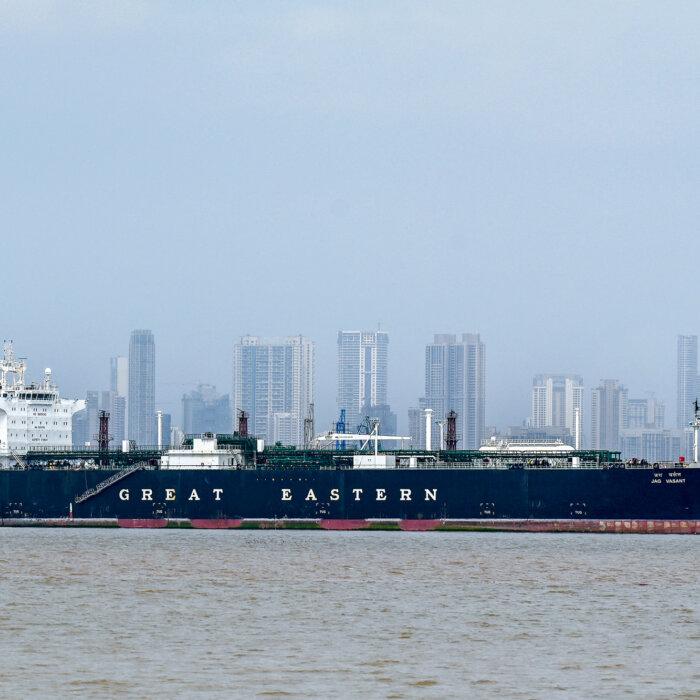
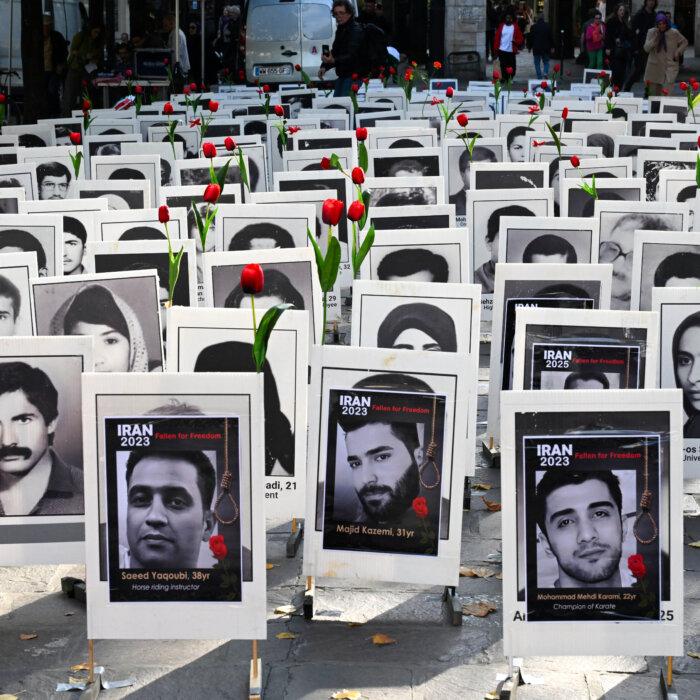
The rising hostility has spooked oil markets, pushing prices higher as investors wait to see how the conflict evolves this week.
However, opening up the Strait of Hormuz may not be enough to calm the oil markets anytime soon, ING Bank said in an April 2 post.
“Even if shipping through the Strait of Hormuz resumes, a return to pre‑war market conditions is likely to be slow, as upstream production restarts, logistics normalisation and inventory rebuilding will take time,” ING said.
Patrick De Haan, head of petroleum analysis at GasBuddy, warned of higher gasoline prices at the pump for Americans in an April 4 post on X.
“Attacks on refining capacity are likely to take longer to restore than the Strait and risk higher fuel prices globally for longer. Coupled with Ukraine attacks on Russian refineries, this summer could see very elevated prices compared to early year expectations,” DeHaan said, referring to U.S. gasoline prices.
As of April 5, the U.S. average price for regular gas was $4.11 per gallon, up from $3.25 a month ago, according to data from the American Automobile Association. In four states, prices were higher than $5 per gallon—Nevada, Washington, Hawaii, and California.
According to an April 5 statement from the group, the production quota increase was agreed upon by OPEC+ members Saudi Arabia, Russia, Iraq, the UAE, Kuwait, Kazakhstan, Algeria, and Oman.
“The countries will continue to closely monitor and assess market conditions,” the statement said.
Another OPEC+ committee panel, which met on Sunday, expressed worries about Iran’s strikes against key energy assets, with the committee pointing out that infrastructure is expensive and repairs are time-consuming, which affects oil supply.
“Accordingly, [the committee] stressed that any actions undermining energy supply security, whether through attacks on infrastructure or disruption of international maritime routes, increase market volatility and weaken the collective efforts under the [Declaration of Cooperation] to support market stability for the benefit of producers, consumers, and the global economy,” the committee said in a statement.