Demand for office space is showing signs of a strong recovery, with the first quarter of 2026 marking one of the most active periods for the market since the COVID-19 pandemic, according to recent reports.
Office market activity reached its highest post-pandemic level in the first quarter, according to the VTS Office Demand Index released on April 28. The index, which tracks new in-person and virtual office tours relative to total office square footage, rose 18 percent from the fourth quarter of 2025 and 13 percent from the same period a year earlier.
The rebound has been driven in large part by office-using employers in technology, finance, and legal sectors, VTS said.
Through the first quarter, technology accounted for the largest share of national demand growth, with year-over-year demand rising 109 percent, according to the report. Finance and legal services also started this year with strong momentum, posting quarterly gains of 54 percent and 41 percent, respectively, outpacing technology on a quarter-over-quarter basis.
Notably, the growth comes even as office-using employment remains about 2 percent below its 2022 level, according to the U.S. Bureau of Labor Statistics. While that would typically reduce demand for office space, VTS analysts said it could also be giving employers more leverage to bring employees back to the office.
“Any potential growth in return-to-office trends, however, may face a challenge from elevated short-term energy costs resulting from the oil price shock tied to the Iran War,” VTS added in its report.

The VTS findings align with a separate report from commercial real estate giant CBRE, which projects that annual office leasing activity in 2026 will surpass 2019 levels.
According to CBRE’s April 23 report, more than 56 million square feet of office space was leased in the first quarter, the strongest first-quarter total in four years. The overall vacancy rate dipped slightly to 18.6 percent, though it remains well above the long-term average of roughly 12 percent to 14 percent.
CBRE said part of the improvement reflects tighter supply, as developers have slowed down on new projects. Office construction completions totaled just 1.3 million square feet in the first quarter, the lowest quarterly level since CBRE started tracking this metric in 1990.
Still, investor interest appears to be returning. CBRE said both private and institutional investors have increased their office holdings in recent years, and the firm expects total office investment volume to rise by 20 percent in 2026.
A separate April 15 report from JLL pointed to similar momentum, particularly at the upper end of the market. The commercial real estate firm said 4 million square feet of leases were signed in the first quarter at starting rents of more than $100 per square foot, the highest first-quarter volume on record. The figure followed a record volume of high-rent transactions in the fourth quarter of 2025.
JLL also found that the national office vacancy rate across all buildings fell by 14 basis points from the previous quarter to 22.2 percent in the first quarter. That rate is down 30 basis points from its recent peak in the second quarter of 2025.
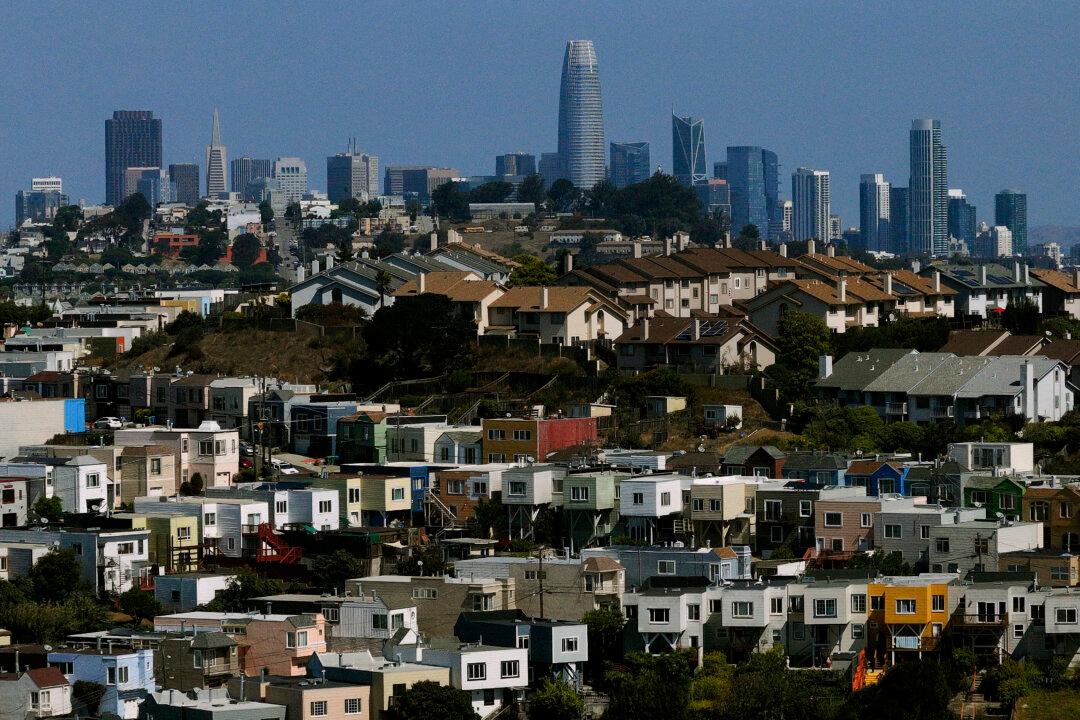
The recovery remains uneven across local markets. VTS said San Francisco and New York City are leading office demand, with San Francisco benefiting from rapid growth in technology employment and New York supported by a more diverse employment base. Los Angeles also posted a double-digit quarterly increase in demand, helped by significant growth in the creative industries.
Other major markets continue to lag. Boston was the weakest-performing market in the VTS report, while demand also contracted in Seattle, Washington, and Chicago, where employment growth has been more limited.