Nvidia is planning to resume sales to China of a previously banned chip used for artificial intelligence (AI) technology.
On July 14, Nvidia announced that it had filed applications with the U.S. government to restart sales of its H20 graphics processing unit to Chinese companies.
On July 15, Commerce Secretary Howard Lutnick confirmed that the resumption of sales is linked to ongoing trade negotiations between the United States and China involving rare-earth minerals, critical components in advanced manufacturing. Lutnick said that the inclusion of Nvidia’s H20 chip sales was part of a broader trade agreement aimed at reopening supplies of rare-earths from China to U.S. manufacturers.
On July 16, during a visit to China for the China International Supply Chain Expo, Nvidia CEO Jensen Huang confirmed that the resumption of the H20 trade was based on those negotiations.
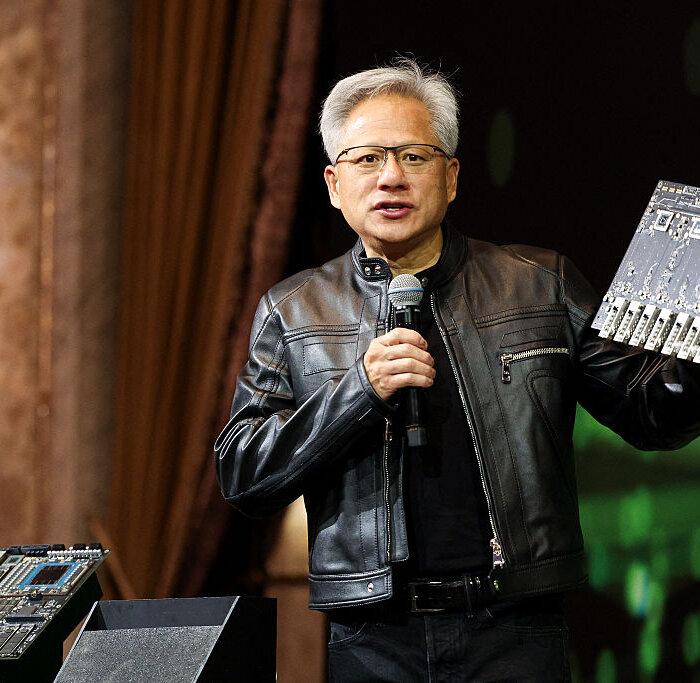
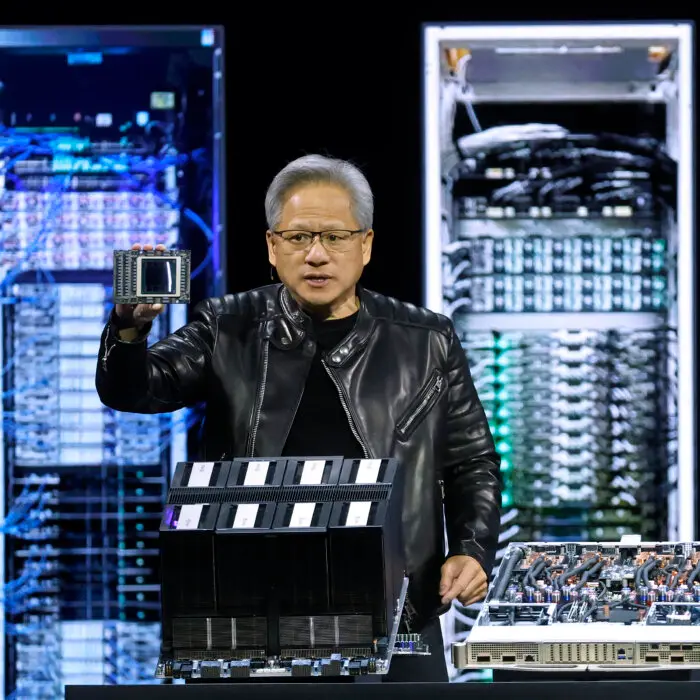
“The most recent change was really related to the constructive and positive discussions between the U.S. government and the Chinese government as it relates to export control discussions,” Huang told reporters at the expo. “I have been assured that the licenses will come very fast. There are many order books already in.”
Nvidia is also working on another chip, the RTX Pro GPU, which is designed for Chinese clients and is compliant with the current export controls.
At the same event in Beijing, Huang praised Chinese AI models as “world-class” and emphasized the importance of the Chinese market for Nvidia’s growth.
In April, Nvidia announced that it was told by the U.S. government to stop exporting the H20 chip. That determination was based on tightened controls designed to prevent the transfer of advanced AI technology to China because of national security concerns.
According to Nvidia’s most recent earnings report, the suspension of H20 sales cost Nvidia billions of dollars in lost revenue. In May, executives at the Santa Clara, California-based semiconductor giant said that it expected to forfeit approximately $10 billion because of the export curbs. Despite this, Nvidia posted strong quarterly results, with revenue reaching $44.1 billion and a net income of $19.9 billion, indicating robust demand for its products outside of China.
Huang, who recently met with U.S. President Donald Trump in Washington, has repeatedly said he thinks that continued restrictions could accelerate China’s development of indigenous AI technology, potentially undermining U.S. technological leadership.