Natural gas prices registered a fifth consecutive session gain on Jan. 26 as many parts of the United States dig out from a massive winter storm.
On the New York Mercantile Exchange, front-month natural gas futures surged 29 percent to $6.80 per million British thermal units, settling at their highest level since December 2022.
Prices had climbed to as high as $7.44 during the trading session before paring their gains.
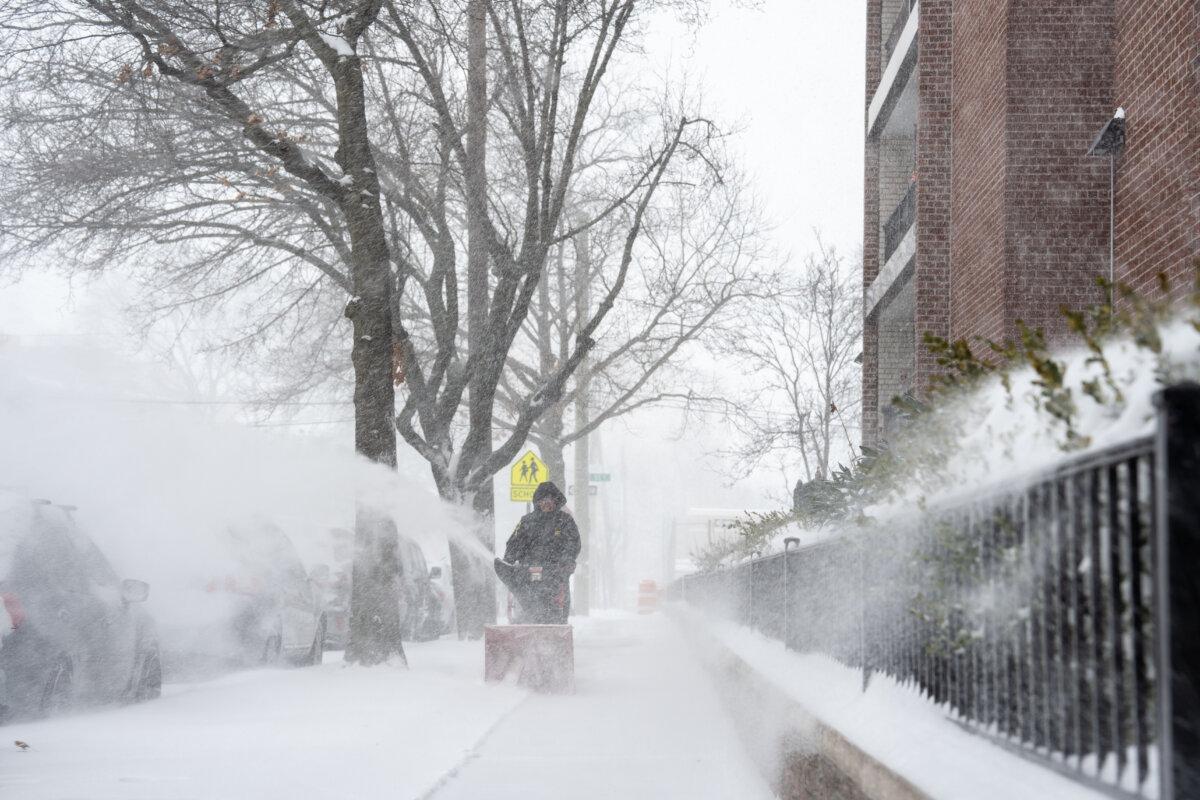
The rally was propelled by a sweeping winter storm that plunged much of the United States into arctic cold, heavy snowfall, and widespread ice. More than a foot of snow blanketed 14 states.
An estimated 200 million people were impacted, and about 500,000 U.S. customers are without power.
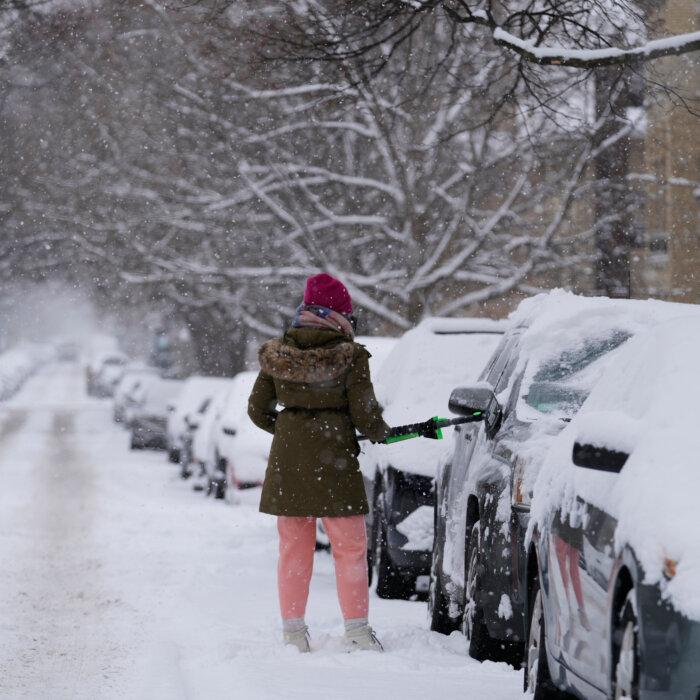

AccuWeather experts projected that the storm caused $115 billion in damage and economic losses.
“The scope of this winter storm was extraordinary. What sets this storm apart is not just the snow and ice, but how widespread the disruption has been across transportation, energy, commerce and daily life,” AccuWeather Chief Meteorologist Jonathan Porter said in a statement to The Epoch Times.
“The extreme cold pouring in behind the storm dramatically increases risks and slows recovery in many of the hardest-hit areas.”
Frigid weather is also expected to stay heading into February. Meteorologists forecast that the arctic cold will blast through much of the eastern half of the United States this week.
Recovery and Production
Persistent frigid temperatures could further affect recovery and power restoration efforts in impacted areas—and, in turn, volatility could persist for natural gas prices as heating demand strengthens.Still, according to Phil Flynn, energy strategist at The PRICE Futures Group, companies have been prepared for record electricity usage.
“PJM Interconnection LLC is taking a rare step of committing to buy power from generators through 10 a.m. on Jan. 31, as opposed to its typical method of making day-ahead purchases.”
How this affects near-term output remains to be seen.
Saxo Bank strategists estimate that as much as 10 percent of domestic output was taken offline amid surging demand due to weather-related freeze-offs. This occurs when the water used in production turns into ice.
Over the coming weeks, U.S. storage data could show some of the largest drawdowns in history.
Overall, the energy sector has performed well this year, says Adam Turnquist, LPL Financial’s chief technical strategist.
While natural gas has seized the market spotlight amid the severe winter storms, crude oil has not been immune to the effects, he said.
“Frigid temperatures also weighed on oil production in the Bakken and Permian basins, providing a counterbalance to a bearish weekly government storage report,” Turnquist wrote in a note emailed to The Epoch Times, adding that geopolitical tensions have contributed to the bullish tone for oil.
“Hopes for a near‑term peace agreement between Russia and Ukraine faded after inconclusive talks were followed by a large-scale airstrike on Kyiv,” Turnquist continued. “Meanwhile, the administration mobilized naval assets in the Middle East in response to rising internal tensions within Iran.”
This month, U.S. and Brent oil prices have risen about 5 percent after falling 20 percent last year.
But oil prices were little changed at the start of the trading week.
Prices for a barrel of West Texas Intermediate—the U.S. benchmark for oil—dipped $0.29, or 0.47 percent, to $60.78 per barrel. Brent, the global benchmark for oil prices, slid $0.34, or 0.52 percent, to $65.54 a barrel on London’s ICE Futures exchange.