Americans plan to put more U.S.-made products under the Christmas tree this year, new research shows.
By comparison, just 10 percent of respondents said they are less likely to buy U.S.-made products.
“Shoppers are signaling they want to buy earlier, spend less, and shop with values in mind,” Ashley Brown, senior director of account management at YouGov, said in the “America’s Appetite for Black Friday & Cyber Monday 2025” report.
Researchers also found that 32 percent of respondents say tariffs will cause them to spend less this year, while more than one-fifth (22 percent) want to start their holiday shopping earlier than usual.
President Donald Trump’s global sectoral and reciprocal tariffs, as well as potential price pressures, are expected to have at least a minor effect on the U.S. marketplace during this year’s holiday season.
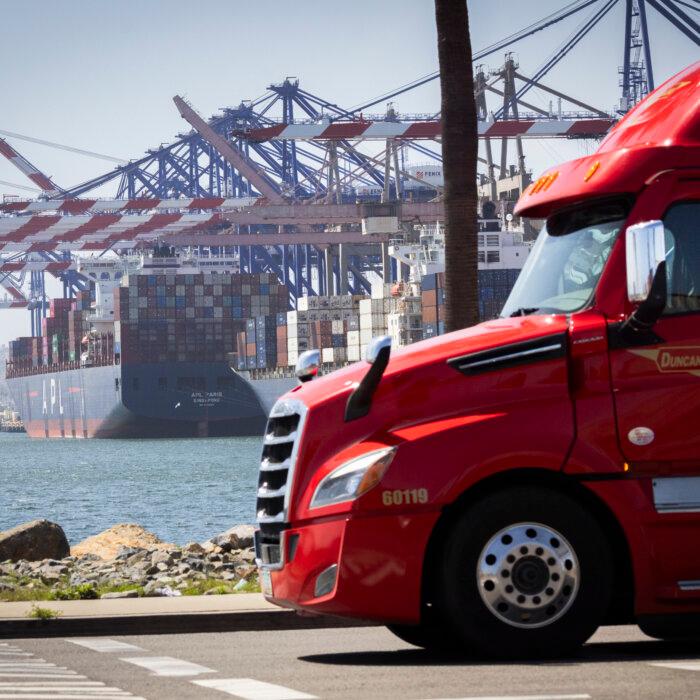
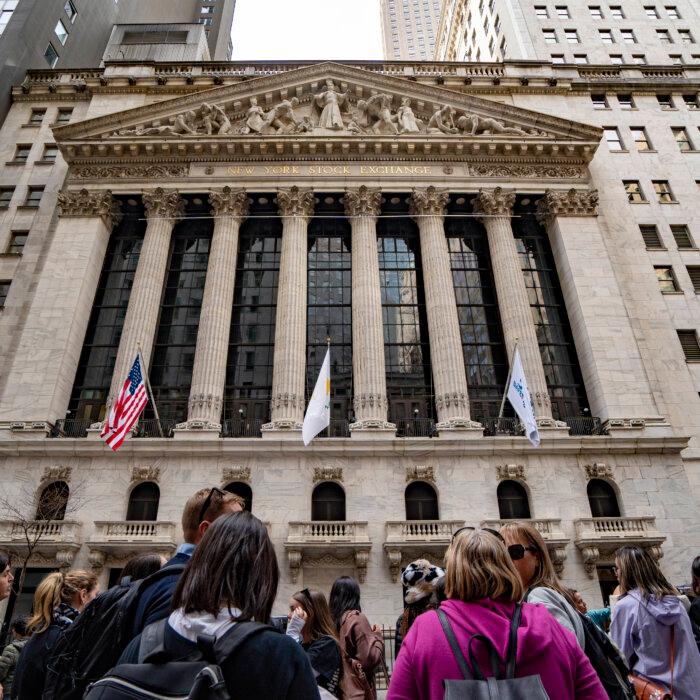
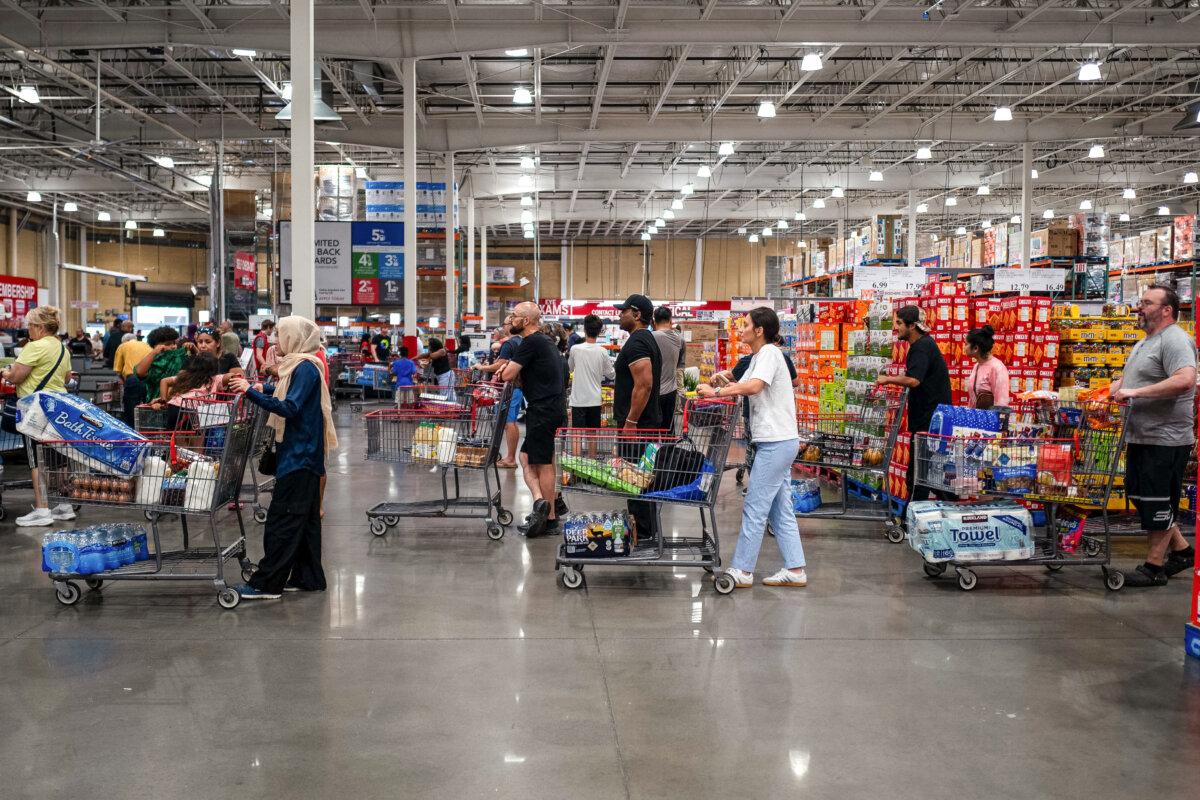
Online shopping is expected to surpass brick-and-mortar sales, according to Vicki Hyman, director of global communications at Mastercard. Online sales growth is forecast to increase by 7.9 percent year over year, while physical store sales are projected to rise by 2.3 percent.
While inflation may be a factor this year, the impact of tariffs remains uncertain, according to Hyman.
Current Inflation Conditions
The latest inflation data suggest that the president’s global levies have yet to have a material impact on consumer prices at an aggregate level.The Federal Reserve’s preferred inflation measure—the personal consumption expenditures price index—ticked up to 2.7 percent in August from 2.6 percent in the previous month.
“All of those companies and entities in the middle, they’ll tell you that they have every intention of passing that through in time, but they’re not doing that now,” Powell said.
Trade and tariffs were the most pressing concerns for surveyed firms, the report found.
“Most Districts reported that their firms were expecting price increases to continue in the months ahead, with three of those Districts noting that the pace of price increases was expected to rise further,” the report stated.
While scores of major retailers have announced plans to raise their prices amid levies, many companies rushed to build their inventories at the start of the year ahead of the president’s tariffs. This has allowed businesses to refrain from dramatically hiking their prices for shoppers, especially during key shopping events during the year.
“Goods prices have risen in response to tariff announcements—although the increase has been modest compared to announced tariff rates,” the paper stated.
1st Stop: Halloween
Before households and stores light up their Christmas trees, the first holiday-related stop will be Halloween.A majority—79 percent—of Halloween shoppers expect that prices will be higher this year because of tariffs, the survey found.
“Even with concerns about price increases due to tariffs, Halloween continues to resonate with consumers of all ages,” Katherine Cullen, the group’s vice president of industry and insights, said in a statement.