Kraft Heinz is pausing plans to split into two companies as new CEO Steve Cahillane says its problems are “fixable and within our control.”
One month after joining the company, Cahillane stated that the objective is to return the packaged-foods maker to “profitable growth,” meaning it is “prudent to pause work related to the separation.”
“We will no longer incur related dis-synergies this year,” Cahillane said on Feb. 11.
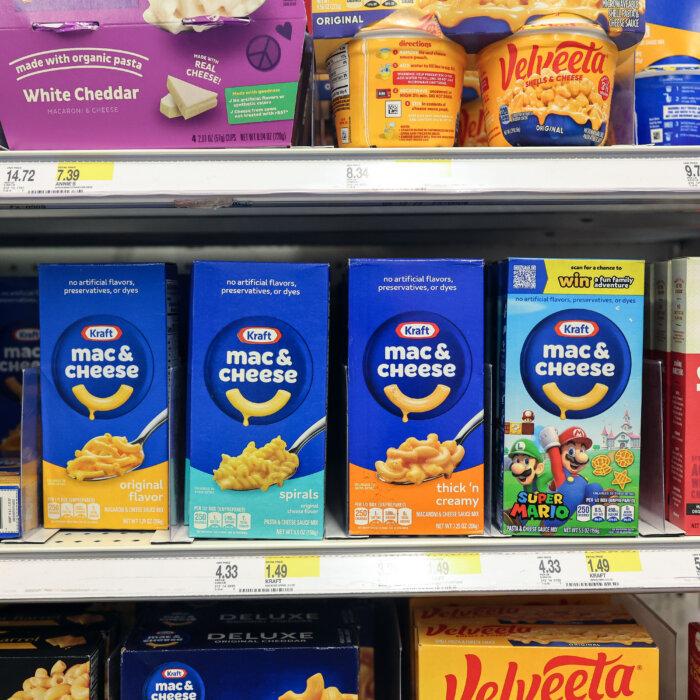
In September, Kraft announced plans to split the company into two. Cahillane had been tapped to run the new Global Taste Elevation division, which includes brands such as Heinz, Philadelphia, and Kraft Mac & Cheese. The second business—North American Grocery—would manage the company’s core grocery labels, including Kraft Singles, Lunchables, and Oscar Mayer.
The decision was made following years of lackluster growth, falling short of what the firm had projected when it was formed through the merger of Kraft Foods and H.J. Heinz under a deal put together by Warren Buffett’s Berkshire Hathaway and 3G Capital.
Kraft Foods Group announced in March 2015 a $46 billion merger with H.J. Heinz, creating one of the largest food companies in the world.
Despite initial cheers from Wall Street—the stock reached $90 in early 2017—the enthusiasm eventually faded amid sliding sales.
Buffett has since accepted that it was not a “brilliant idea” to bring the two companies together. However, in a phone interview with CNBC last year, he argued that separating the business would not fix its challenges.
The company has attempted to restructure operations repeatedly over the years, and Kraft Heinz is now trying again.
Cahillane, who previously led Kellogg and Kellanova, revealed in the fourth-quarter earnings report that the company will initiate a $600 million turnaround investment across marketing, sales, and research and development “to drive recovery” in its U.S. business through “product superiority and select pricing.”
The plan will be funded through its balance sheet and free cash flow, “positioning us well to fund these investments and execute on the plan, while still generating excess cash.”
The new executive has the backing of John T. Cahill, chair of Kraft Heinz’s board of directors.
“Kraft Heinz is already seeing the benefit of Steve’s deep industry experience and proven track record of building brands and leading large-scale transformations,” Cahill said in a statement.
Squeezing Shares
Investors shrugged off the news, with Kraft Heinz shares little changed at around $25.The stock has struggled in recent years, falling almost 30 percent since 2021.
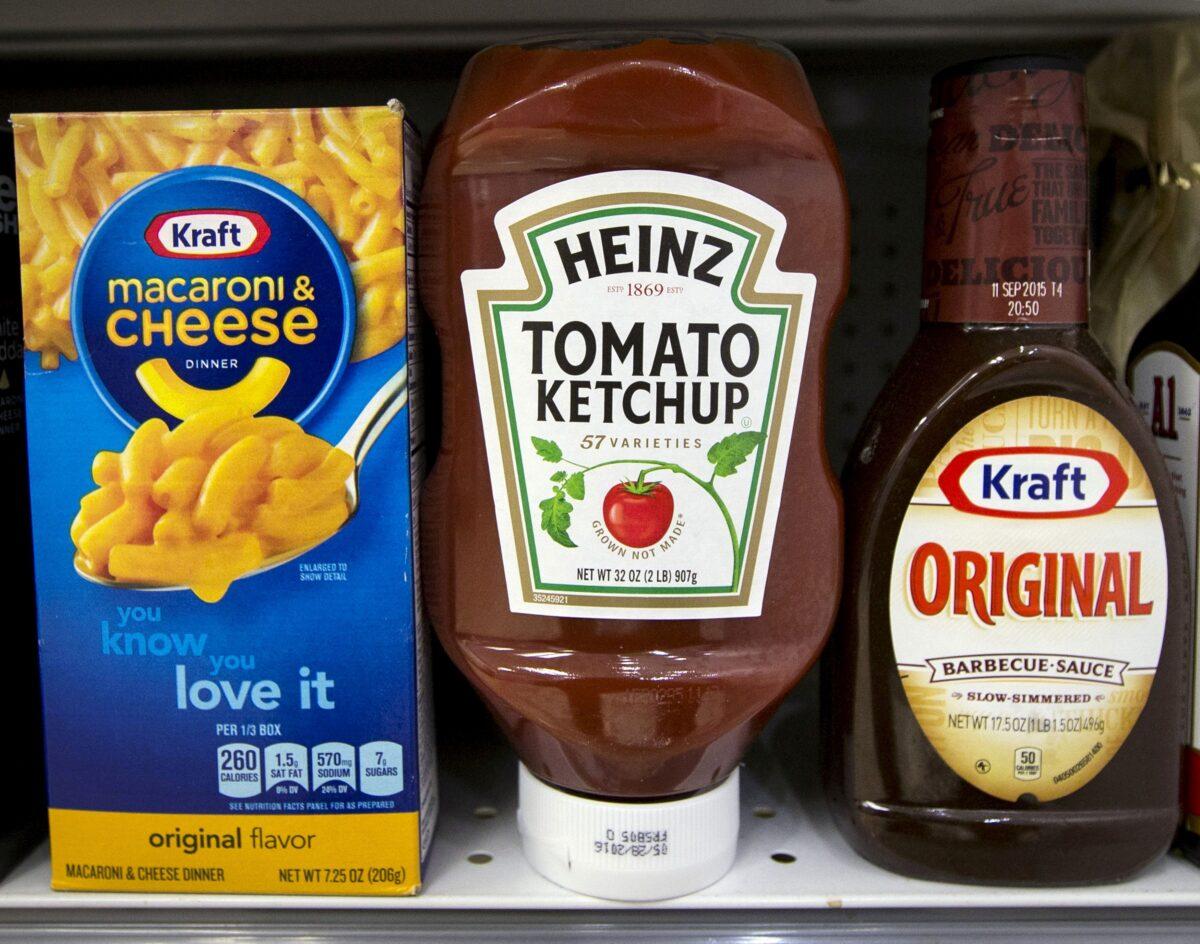
Shares could come under further pressure as Berkshire plans to trim its 28 percent stake in Kraft.
With new CEO Greg Abel at the helm, Berkshire said in a Jan. 20 Securities and Exchange Commission filing that it will sell “up to” almost all of its holdings in the mac and cheese titan.
Wall Street analysts could be joining Berkshire, with a consensus rating of “Reduce,” according to MarketBeat. But the stock has a 12-month consensus price target that reflects a 4.95 percent upside.
Kraft’s earnings release showed 2025 was underpinned by mounting commodity and manufacturing pressures. Specifically, the company reported sales declines in cold cuts, coffee, frozen meals, snacks, and spoonables.
These factors weighed on the food manufacturer’s finances: Full-year revenue slipped by 3.5 percent to $24.9 billion, organic sales fell by 3.4 percent, volumes dropped by 4.1 percent, and adjusted operating income declined by 11.5 percent. The firm reported an operating loss of $4.7 billion.
The disappointing numbers also reveal changing consumer tastes and buying patterns in a climate where households are pursuing healthier options.