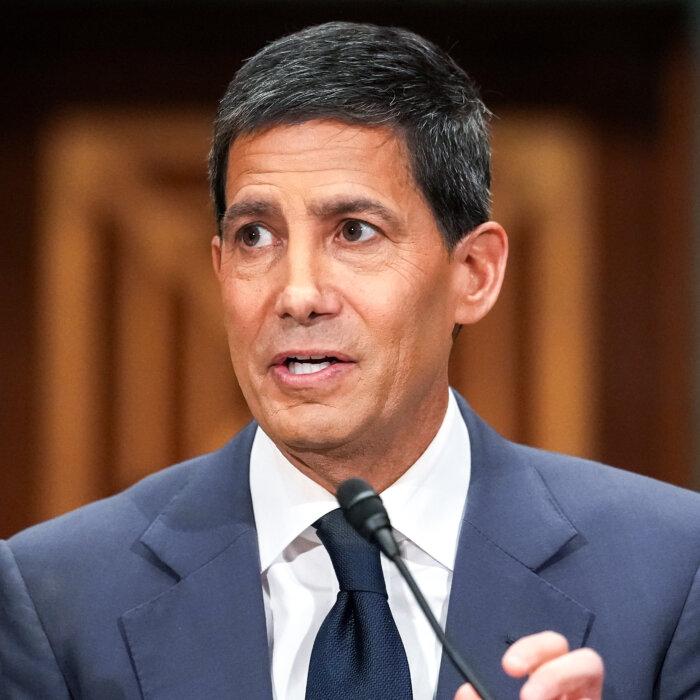
Kevin Warsh will be returning to the Federal Reserve Board of Governors.
The U.S. Senate voted 51–45 to approve Warsh’s nomination to a 14-year term on the central bank’s board on May 12, joining six other members. Four senators did not file a vote.
Sen. John Fetterman (D-Pa.) crossed party lines to support President Donald Trump’s nominee.
Warsh’s tenure as Fed governor will run until 2040.
He previously served on the board from 2006 to 2011, when he resigned over differences regarding the leadership’s post-crisis quantitative easing program.
Governors serve 14-year terms to prevent political pressure. Their roles consist of voting on monetary policy, supervising and regulating the financial system, and overseeing the Fed’s 12 regional banks.
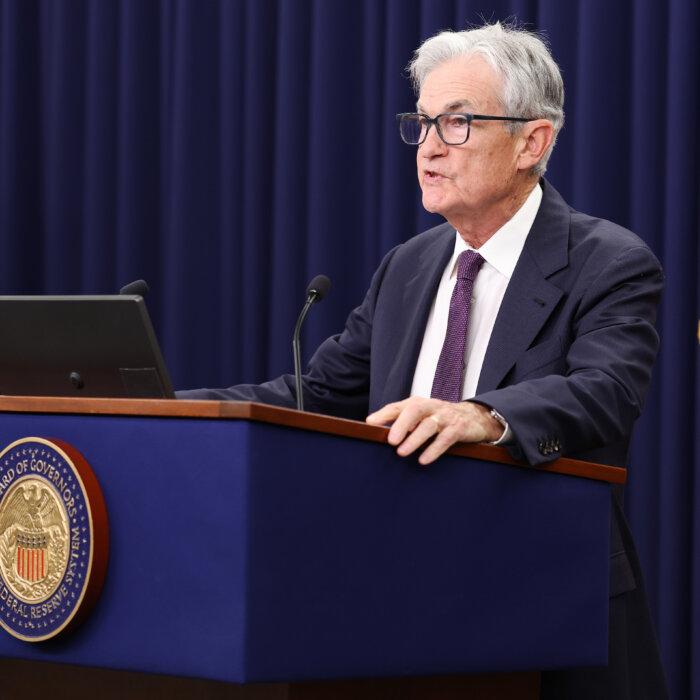
The vote also marked the end of Stephen Miran’s brief tenure on the board.
Walking a Minefield
Warsh’s return to the Fed could be marred by challenges, mainly due to the 11-week-old Iranian conflict reviving price pressures across the U.S. economy.The war has lifted global energy prices, forcing drivers to pay more at the pump.
The national average for a gallon of gasoline—as of May 12—is parked at $4.50.
Structural inflation could also be under threat. Twelve-month core inflation, which excludes volatile energy and food prices, edged higher to 2.8 percent, topping estimates.
Warsh has been a frequent critic of the Fed’s policy decisions.
He has argued that the central bank can lower interest rates as the artificial intelligence (AI) boom would be disinflationary and reduce business and consumer prices.
At the same time, Warsh has stated that the Fed should scale back its balance sheet use.
A point of contention is whether Warsh will maintain Fed independence.
He has reaffirmed his support for monetary autonomy. But it does not mean it is under threat if elected officials weigh in on policy, he said.
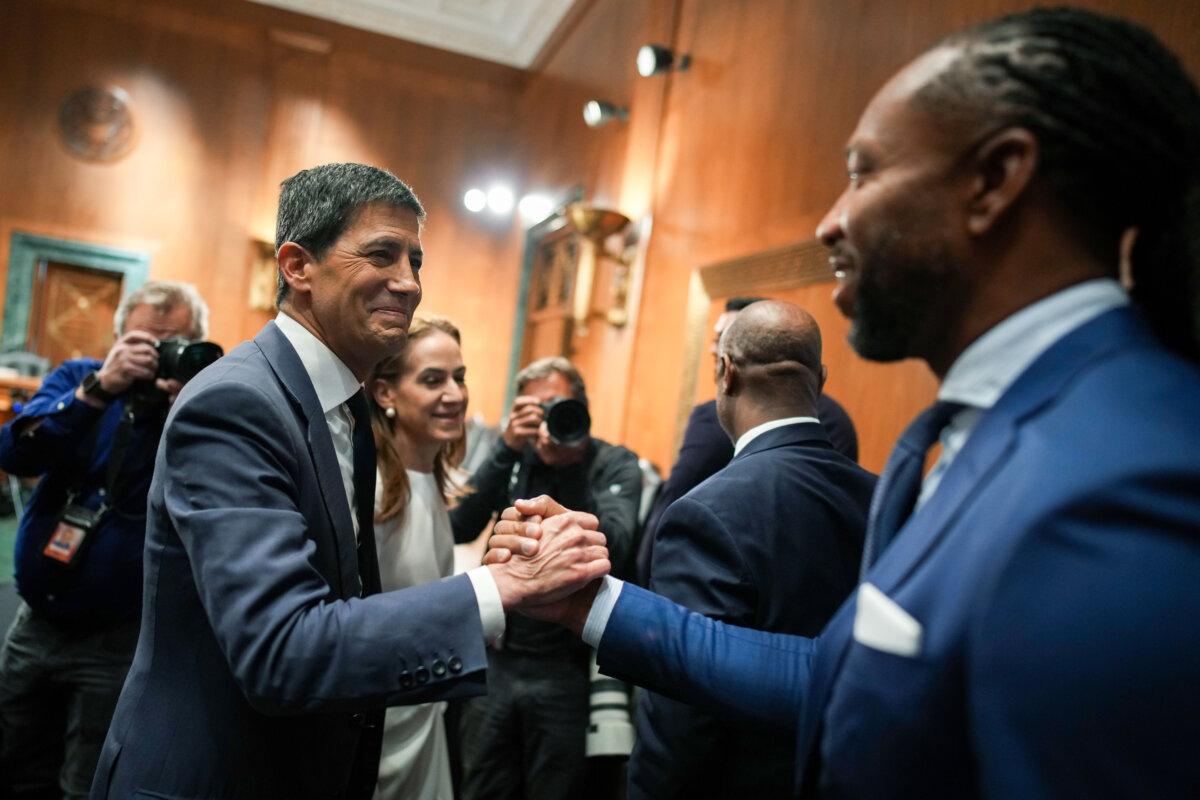
Despite his clarification on Fed independence, there are still questions surrounding how he would navigate policy, says Rebecca Homkes, an economist and former fellow at the London School of Economics Center for Economic Performance.
“Warsh’s over-bullishness on AI’s impact on productivity should be more of a discussion, as we need the next Fed Chair to be working to steer a policy approach of better, robust data and research to understand this technology,” she told The Epoch Times.
“What’s raising more eyebrows is his insistence on his reform agenda, including changes to responsibilities, press briefings, and what topic areas they cover.”
Warsh has teased a series of changes he could bring to the Fed: updating long-standing economic models, reforming how the central bank communicates with the public, and potentially how the Fed targets inflation.
Lawrence Gillum, chief fixed-income strategist at LPL Financial, says Warsh’s approach to monetary policy would likely be far more traditional than the approach practiced over the past 20 years.
“Rather than leaving heavily on intervention and detailed promises about the future path of rates, Warsh has consistently argued for restraint, humility, and a greater reliance on incoming data,” Gillum said in a note emailed to The Epoch Times.
If confirmed, Warsh would head the June 16 to June 17 Federal Open Market Committee policy meeting.
Investors have priced in the expectation that the Fed will not lower interest rates at all this year. A growing chorus of traders has started forecasting a rate hike sometime in 2027.