JPMorgan Chase said it’s committing $24 million to boost shipbuilding in Philadelphia, backing a broader Trump administration effort to rebuild the U.S. defense industrial base and expand domestic shipbuilding capacity.
The commitment, announced early Wednesday morning ahead of a scheduled visit to the Philadelphia Navy Yard by JPMorgan CEO Jamie Dimon, includes $18 million in loans and investments and $6 million in grants.
The largest piece of the package is $13 million for Rhoads Industries, a 130-year-old Philadelphia company that is building a 95,000-square-foot submarine manufacturing and assembly facility at the historic Navy Yard.
The expansion is expected to create 450 jobs and support workforce training and apprenticeship opportunities for potentially thousands of local workers, including welders, electricians, and others needed in critical shipbuilding roles.
In addition to the Rhoads investment, JPMorgan said it will provide loans and grants to support the ecosystem tied to Philadelphia’s shipbuilding industry. The funding would help expand small-business lending, provide technical assistance to companies in the shipbuilding supply chain, and help train workers for maritime and defense-related careers.
Shipyard Sees Renewed Investment
Rhoads’ expansion has been in development for some time. Last summer, the State of Pennsylvania contributed $4 million to the project, which Gov. Josh Shapiro said would allow the company to double its capacity for the U.S. Navy’s submarine program.
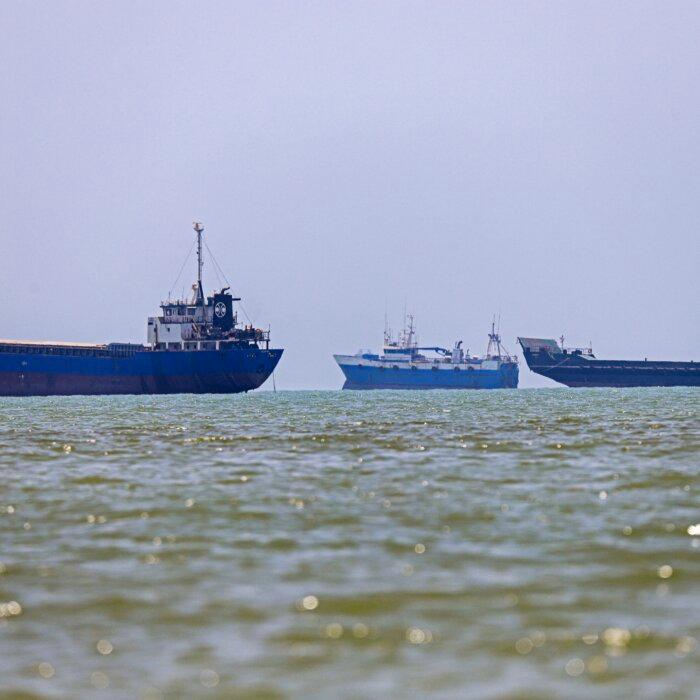
Philadelphia has been a shipbuilding hub since the early days of the republic. During World War II, tens of thousands of workers at Philadelphia built and repaired hundreds of ships, providing critical support to the Allied war effort.
After the Vietnam War, however, the Navy Yard entered a long decline that culminated in the closure of its military shipbuilding operations in 1995. The site later became a commercial facility.
That decline mirrored the broader struggles of the U.S. shipbuilding industry, which lost ground over decades to competitors in countries such as China and South Korea. Less than 1 percent of new commercial ships are currently built in the United States.
Philadelphia’s shipbuilding sector has seen a rebound since 2024, when South Korean shipbuilder Hanwha Ocean bought Philly Shipyard for about $100 million. The company, which builds vessels for the U.S. Maritime Administration, announced last year plans for $5 billion in new investment, with the goal to build a nuclear-powered submarine at the site.
President Donald Trump has approved that goal in the wake of a 2025 visit to South Korea, during which Seoul pledged to help Washington revive its shipbuilding industry as part of the high-stakes trade talks.
The plan outlines measures intended to increase the number of ships built in domestic yards and reduce dependence on foreign shipbuilders. It envisions loans, tax incentives, and other support for U.S. shipbuilders and shipping companies, along with new fees on foreign-built vessels entering U.S. ports.