Wall Street shrugged off the prospects of higher U.S. tariff rates as stocks registered all-time highs to finish the raucous second quarter.
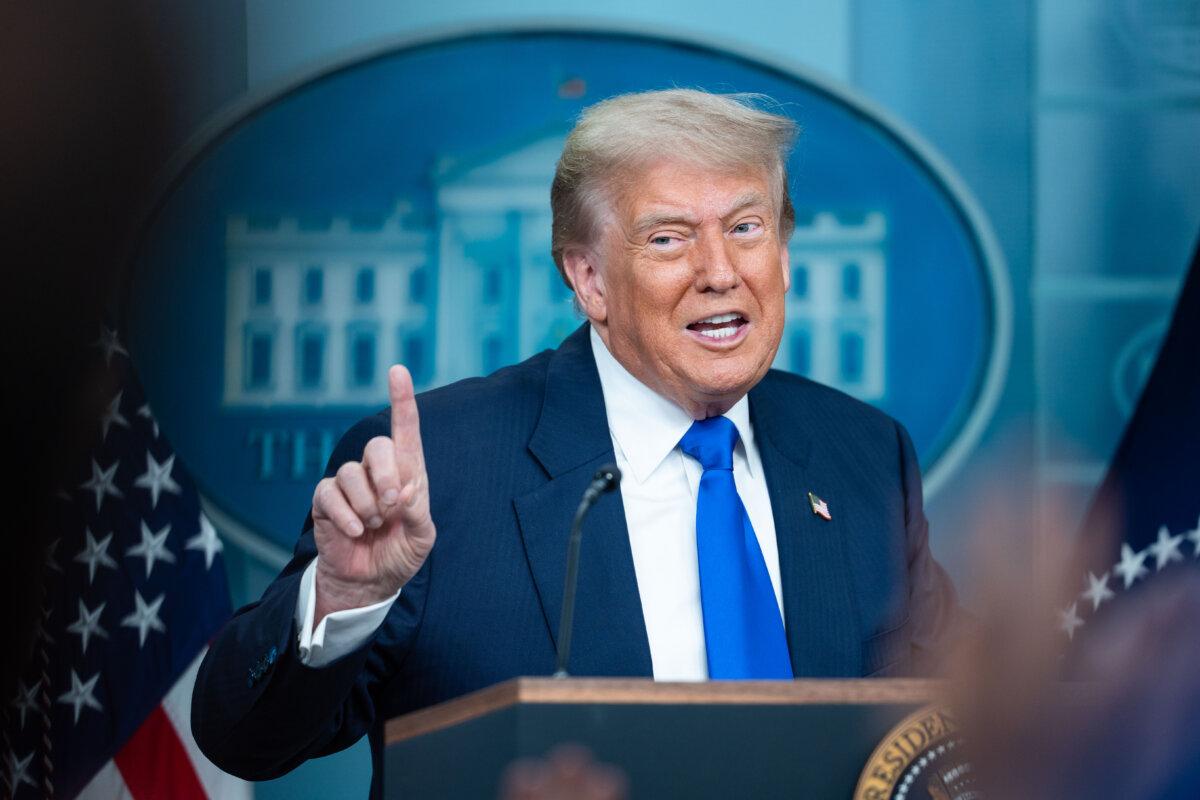
President Donald Trump confirmed again that his administration will send letters to trading partners ahead of the July 9 deadline for the pause of his reciprocal tariffs.
In a June 29 interview with Fox Business Network’s “Sunday Morning Futures,” Trump stated that officials will examine the trade deficit and how countries treat the United States.
“Some countries, we don’t care, we’ll just send a high number out,” he said.
“But we’re going to be sending letters out starting pretty soon. We’re going to say: ‘Congratulations, we are allowing you to shop in the United States of America. You’re going to pay a 25 percent tariff, or a 35 percent or a 50 percent or a 10 percent.'”
Trump alluded to these letters during a June 27 press briefing, telling reporters that countries would be informed that “they have to pay to do business in the United States, and it’s going to be very quickly.”
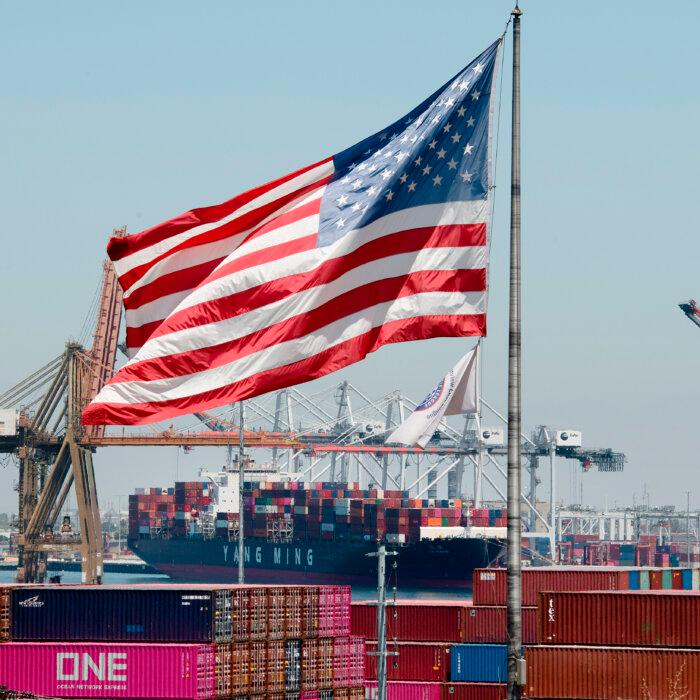
With the deadline fast approaching, the White House has repeatedly noted that the president, Trade Representative Jamieson Greer, and others would be sending letters to nations, serving as a “friendly reminder” to submit new trade deal proposals.
Other Trump administration officials have suggested that the president could be flexible on the July 9 deadline.
“Perhaps it could be extended, but that’s a decision for the president to make,” White House press secretary Karoline Leavitt said on June 26.
He noted that if the United States “can ink 10 or 12 of the important 18” agreements, then a complete trade framework could be “wrapped up by Labor Day.”
“With all things, they get done in the end. You have to put on a deadline,” Bessent said. “As you and I know, nothing gets done in Washington well in advance.”
Over the past several weeks, scores of White House officials have indicated that the United States is close to announcing a number of trade agreements, including with India and Japan. However, to date, the administration has reached deals with only the UK and China.
Still, according to Bessent, a “flurry” of deals could be announced in the homestretch before the July 9 deadline. At the same time, countries that cannot come to terms with the United States could face higher levies.
Stocks End Q2 on High Note
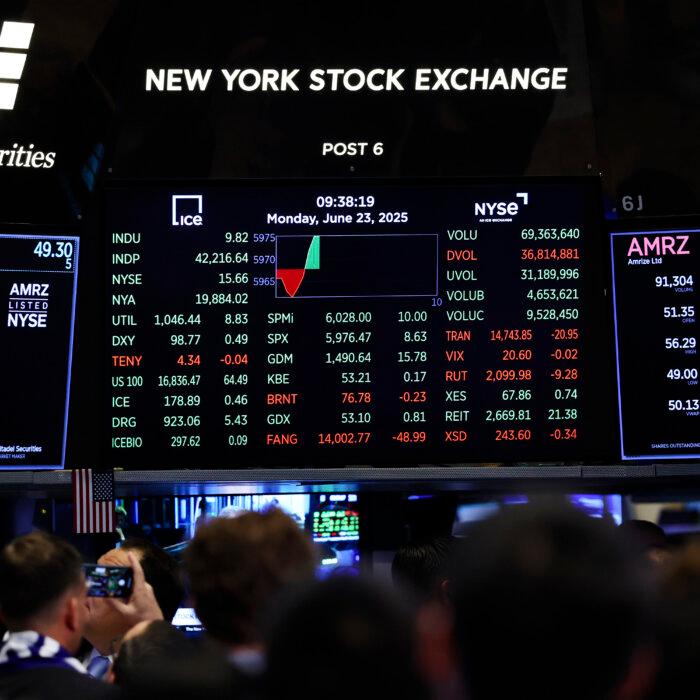
Following a whirlwind start to the second quarter, U.S. stocks finished the three-month period on a high note.The tech-driven Nasdaq Composite Index rose by 96.27 points, or 0.47 percent, on June 30, settling at an all-time high of 20,369. The index registered a quarterly gain of 17.75 percent and is up 5.5 percent year-to-date.
The broader S&P 500 tacked on 31.88 points, or 0.52 percent, to a record 6,204. The index rose by 10.6 percent in the April–July period, adding to its year-to-date increase of 5.5 percent.
The blue-chip Dow Jones Industrial Average surged by 275.5 points, or 0.63 percent, to 44,094. The Dow Jones climbed by 5 percent in the second quarter and has jumped by 3.6 percent this year.
“Stable economic data, a slightly dovish shift from the Fed, a decline in geopolitical risks combined with market momentum to push the S&P 500 to a new all-time high last week, despite this market still facing a number of potentially disruptive events,” Tom Essaye, the president and founder of the Sevens Research Report, said in a note emailed to The Epoch Times.
Despite initial fears that the president’s trade agenda would lead to anemic growth and high inflation, recent economic data signal that the U.S. economy is holding steady.
The market’s reaction suggests that any uptick in tariff-driven inflation will be offset by lower shelter and energy prices.
“Bottom line, the market is not afraid of tariff-driven stagflation anymore,” Essaye said.
But while the market’s consternation surrounding stagflation could be dissipating, what about the Federal Reserve?
“The Committee is attentive to the risks to both sides of its dual mandate and judges that the risks of higher unemployment and higher inflation have risen,” the statement said.
For now, according to Chicago Fed President Austan Goolsbee, there is no sign of stagflation, but he warned that conditions could deteriorate.