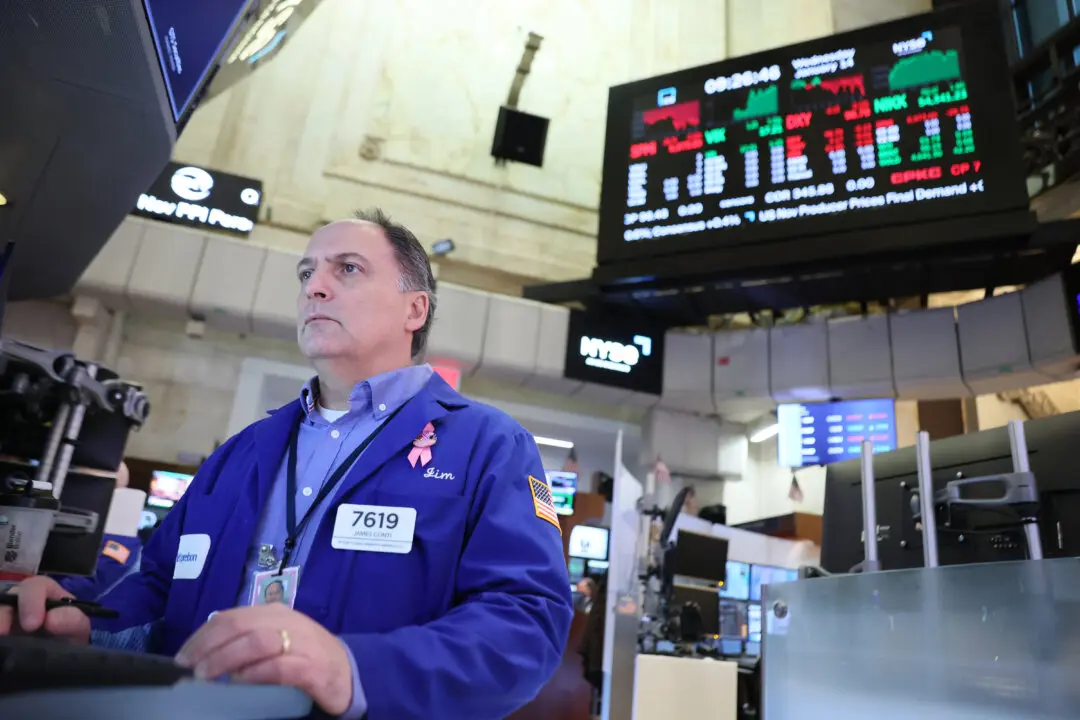
In the wake of strong payroll growth in the past three months, fears of “demand push” inflation are brewing, and we saw some evidence of that last week, when the Labor Department announced on Wednesday that the Consumer Price Index (CPI) rose 0.5% in May and 4.2% in the past 12 months. The core rate, excluding food and energy, rose 0.2% and 2.9% in the past 12 months. Energy prices rose 3.9% in May, causing most of the increase. Owners’ equivalent rent (shelter costs) rose 0.3% in May, which was a big retreat from 0.6% in April. Treasury yields declined after the CPI report, which is positive. Then, on Thursday, the Labor Department announced the Producer Price Index (PPI) surged 1.1% in May and 6.5% in the past 12 months. The core PPI, excluding food, energy, and trade services, rose 0.8% in May and 5.1% in the past 12 months. Wholesale food prices rose 0.6%, while energy prices surged 10.7% and trade services declined 1.1%. Unfortunately, wholesale processed goods prices soared 3.5%, the largest monthly increase since March 2021. The good news is that much of this inflation is tied to energy prices, so this inflation surge may be transitory, especially if the new peace deal with Iran works out.
Here are the most important developments recently and what they mean:
- Crude oil prices are declining in the wake of the announcement that President Trump’s deal with Iran is set to reopen the Strait of Hormuz. The U.S. Navy’s blockade of Iran’s ports has been lifted. Before you get too excited, there is a debate about how quickly these crude oil shipments can replenish the steep decline in oil stockpiles. - There is expected to be plenty of tension at this week’s three-day G-7 summit in France. Specifically, Trump told the New York Post in an interview that the U.S. will “have no choice” but to impose 100% tariffs on French wines if France does not drop its digital tax on U.S. tech companies. Furthermore, British Prime Minister Keir Starmer this week unveiled a ban on social media for children under 16 that will impact Snapchat, TikTok, and YouTube, designed to “make our children happier.” - Europe remains at war with U.S. technology companies and continues to plan to fine and tax these companies, so they have run to President Trump for protection. To further explain this tension, the creators of the European Union’s Digital Services Act have had their VISAs pulled and can no longer visit the U.S. So, there are more problems the U.S. has with Europe than just NATO and the funding for the war in Ukraine. I expect President Trump may abruptly leave the G-7 meeting since he has few friends, unless maybe he and Italian Prime Minister Georgia Meloni decide to patch up their relationship after disagreements over Iran and Trump’s criticism of the Pope. Overall, after better-than-expected core inflation announcements for the CPI and PPI, I am hoping that the Fed will telegraph that inflation has been transitory and predominantly related to high crude oil prices. It will also be interesting if new Fed Chairman Kevin Warsh will end the “dot plot” and the ability of FOMC members to talk. It is perceived that Warsh wants to “button up” the Fed to better control commentary. In the meantime, Warsh’s first job is to build a consensus on the FOMC, so it may take Warsh some time to reel in many FOMC members who like to chat with the media.