That supply drop compares with the 3.7 million barrels per day fall-off forecast in the IEA’s July report and will take total supply to the IEA’s lowest forecast yet for this year at 102 million barrels per day.
“With an agreement enabling the reopening of Hormuz and unhindered transit through the Bab el-Mandeb Strait still elusive, we have again lowered supply estimates for the rest of the year,” the IEA stated.
The tally of vessels tracked in the Strait of Hormuz fell to a one-week low of eight on Aug. 11, shipping data show, as owners avoided the key waterway amid continued hostilities in the Middle East. The tally of eight vessels fell below a 10-day average of about 12, for the lowest daily count since Aug. 5, Kpler data show. Only one, a coal carrier, exited the strait. The rest were still making their way through.
The seven entering all took the Iranian route. Separate LSEG data show 11 transits on Aug. 11, down from 14 the prior day.
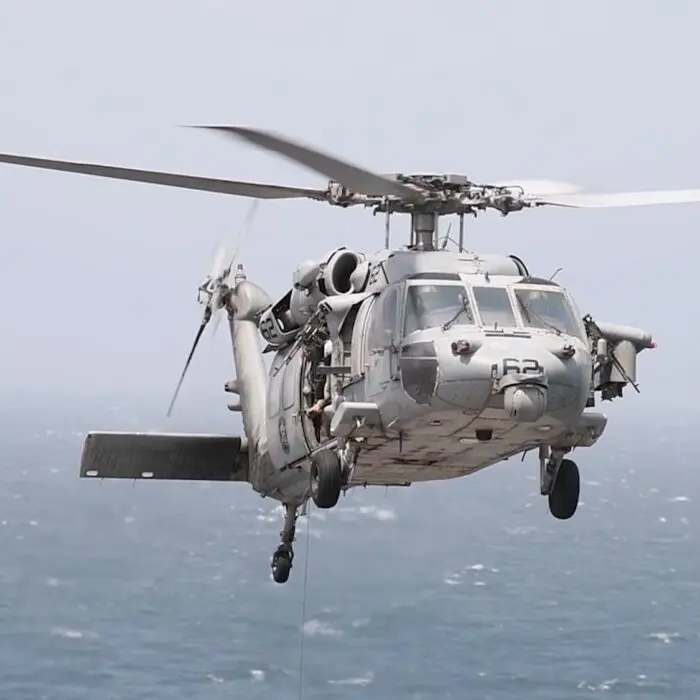
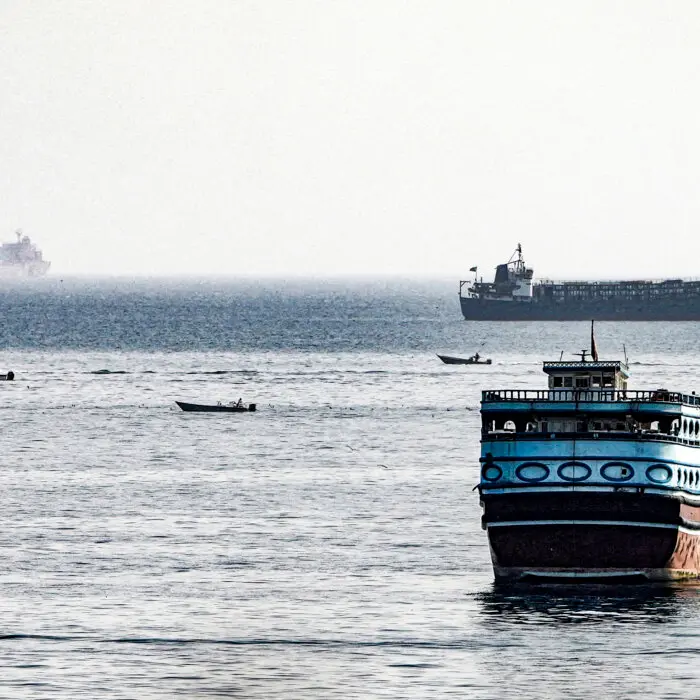
About 130 to 140 ships typically transited the strait before Iran restricted traffic in the waterway after U.S.–Israeli attacks began on Feb. 28. The tally of 30 vessels crossing the Bab al-Mandab Strait at the southern end of the Red Sea on Aug. 11 was above a 10-day average of 25, Kpler data show.
Although there had been growth in oil production in the Americas, the report states, this had only partly offset the drop-off in the Gulf and Russia.
In tandem with the fall in supply, the IEA also forecast the demand for oil to decrease by roughly 550,000 barrels per day, as the continuing disruption in the Strait of Hormuz disrupts supply chains and limits product availability, noting that “elevated fuel prices are putting further downward pressure on oil use.”

The watchdog stated that the net result of the drop in supply and demand led it to predict that the global oil balance would be in a deficit of 1.8 million barrels per day in the third quarter of 2026, more than double the estimate it gave for that period in its July report.
The IEA also stated that global observed oil inventories, the total amount of oil it can track worldwide on land and sea, including crude and refined products, plunged by 69 million barrels in July.
This was due to “renewed disruptions to exports from the Gulf and the Caspian Sea,” which “resulted in sharply lower volumes of oil on water,” while onshore stocks dropped by a much more modest rate, as the agency slowed the pace of its emergency stock releases, it stated.
It also stated that the total oil stocks in the world now sat at just below 7.9 billion barrels, down by 410 million barrels since the start of the war and at their lowest level since April 2025.
“Although the market is projected to return to surplus towards the end of this year, risks remain substantial and the urgency of reopening the Strait has increased, as previously available inventory buffers are rapidly depleting,” the IEA stated.

“Threats to the Bab el-Mandeb Strait, which has become increasingly important as a route to bypass the Strait of Hormuz, exacerbate these concerns further,” Birol said.
“It is up to the U.S. side to stop and make amends for its illegal and destructive actions,” Iranian Foreign Ministry spokesman Esmail Baghaei said, referencing the U.S. blockade of Iranian ports.
The demands included the United States ending its war with Iran, removing the naval blockade, withdrawing military troops, lifting sanctions on the regime, releasing blocked Iranian assets, paying damages caused by the war, and avoiding future threats against Iran.
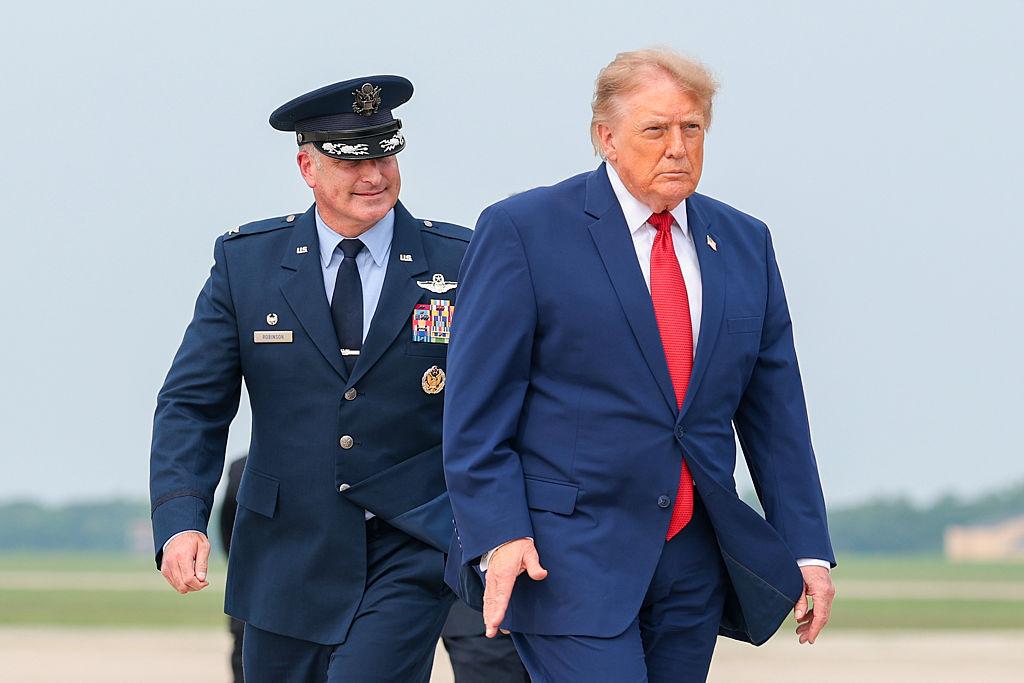
“[Compensation to Iran] was never mentioned in any of our negotiations or meetings!” Trump wrote in an Aug. 10 post on Truth Social. “But it is an interesting idea because now I am likewise demanding compensation from Iran, for all of the people that they have killed and gravely wounded with their roadside bombs and many conflicts.”
The U.S. blockade of Iranian ports was initially imposed in April and reimposed on July 14 after renewed hostilities.
“The blockade will be enforced impartially against vessels of all nations entering or departing Iranian ports and coastal areas, including all Iranian ports on the Arabian Gulf and Gulf of Oman,” Central Command stated in April.