Shares of IBM plummeted more than 26 percent in early trading on July 14 after CEO Arvind Krishna warned investors of the company’s weaker-than-expected second-quarter results.
It’s the single-largest drop in share price in IBM’s 115-year history, surpassing the precipitous 23.7 percent decline the company suffered during the Black Monday stock market crash in October 1987.
Krishna attributed the weak quarterly results to the disappointing performance of the company’s flagship z17 artificial intelligence (AI) mainframe program.
The IBM z17 is the latest generation of the company’s Z mainframe platform, built to integrate AI capabilities with the mission-critical transaction-processing systems used by large enterprises.
IBM expected to see a single-digit decline in infrastructure revenue for the year beginning in the second quarter, but what played out was “worse than our expectations,” Krishna said in his letter to IBM investors, which includes the company’s preliminary second-quarter results.
“In the last few weeks of June, we saw clients shift their quarterly capex spend toward servers, storage, and memory purchases to secure supply-constrained infrastructure ahead of expected price increases,” he said.
“This dynamic impacted client buying patterns. While we anticipated some supply chain-related impact in our expectations, we did not anticipate the magnitude of the capex reprioritization.
“In addition, clients were distracted with rapidly evolving, industry-wide cybersecurity concerns in the quarter.”
The rapidly changing client dynamics required effective execution, “and this quarter we faltered,” Krishna said.
As a result, he said, many of the company’s large infrastructure deals failed to close on expected timelines, leading to the large shortfall.
The company reported infrastructure revenue of $3.3 billion in the first quarter, up 25 percent at constant currency.
However, infrastructure revenue is expected to decline by 7 percent for the second quarter when IBM releases its full second-quarter earnings and updated full-year expectations on July 22.
On April 22, IBM issued full-year expectations of more than 5 percent growth in revenue, but that outlook may be tempered by the modest 1 percent growth in revenue ($17.2 billion) realized in the second quarter.
Its quarterly adjusted earnings per share of $2.93 were below analyst expectations of $3.01 per share and quarterly revenue of $17.86 billion.
Although the company’s quarterly performance fell below expectations, Krishna highlighted multiple initiatives that may improve financial results going forward.
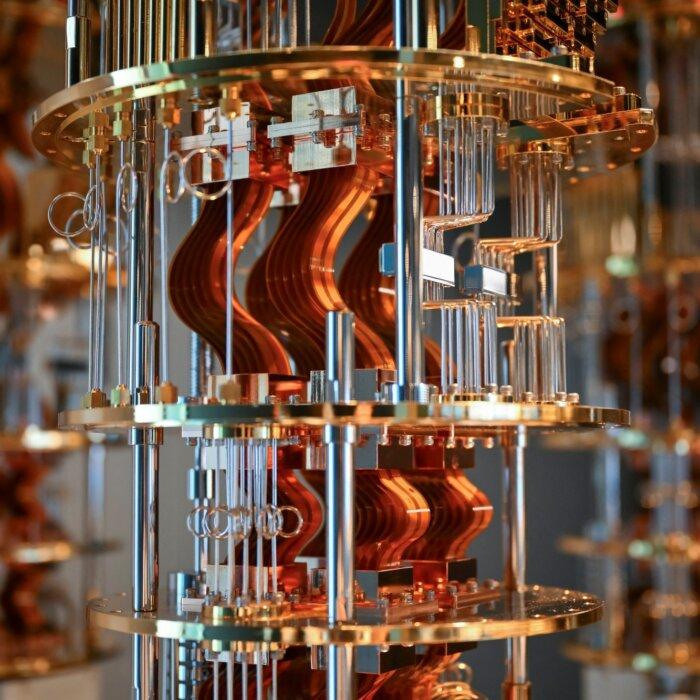
IBM in mid-May announced its intent to build a quantum chip foundry at its NanoTech Complex in Albany, New York.
IBM said it will invest as much as $10 billion in quantum in the next five years to expand its quantum ecosystem through research and development, capital expenditures, and scaling manufacturing capabilities.
The company expects to produce the world’s first large-scale quantum computer by 2029, Krishna noted.
IBM also realized a record 37-percent uptick in its distributed infrastructure division, driven largely by strong sales in power and storage equipment.
The division had an estimated $500 million backlog at the end of the second quarter.
“We have conviction in the strength of our portfolio and the strategic transformation of our business,” Krishna said.
“To remedy challenges this quarter, we are undertaking new initiatives and accelerating others, all to improve our results going forward.”