HP is the latest technology company to cut jobs as part of accelerated plans to adopt artificial intelligence (AI).
HP projects it will save approximately $1 billion by the end of fiscal year 2028.
In February, the Palo Alto, California-based company terminated as many as 2,000 employees.
The new round of job cuts will impact customer support, internal operations, and product development—departments that are expected to experience AI adoption and enablement.
But while the layoffs will lead to cost savings, HP CEO Enrique Lores says it is about shifting operations toward an AI-driven focus to improve customer satisfaction and boost productivity.

“As we accelerate innovation across AI-powered devices to drive productivity, security, and flexibility for our customers, our focus for FY26 is on disciplined execution,” Lores said in a statement.
“We are committed to driving measurable results—ensuring that our plans translate into long-term value for our shareholders.”
The decision came as HP also reported earnings and revenues that beat Wall Street estimates.
However, the tech company also presented lower-than-expected earnings projections for the coming year.
How AI Has Influenced Jobs in 2026
Over the past several months, many major tech companies have unveiled efforts to trim personnel tied to AI adoption and restructuring.Online retail behemoth Amazon confirmed in October that it will eliminate 14,000 corporate jobs, with engineers accounting for about 40 percent of the layoffs.
The latest cuts are meant to ensure the company is leaner and less bureaucratic, allowing Amazon to further invest in generative AI, says Beth Galetti, senior vice president of people experience and technology at Amazon.
“We’re convinced that we need to be organized more leanly, with fewer layers and more ownership, to move as quickly as possible for our customers and businesses.”
So far this year, Microsoft has terminated 15,000 employees amid the accelerated shift into AI.
Microsoft CEO Satya Nadella said this past summer that the tech juggernaut is transitioning “from a software factory to an intelligence engine empowering every person and organization to build whatever they need to achieve.”
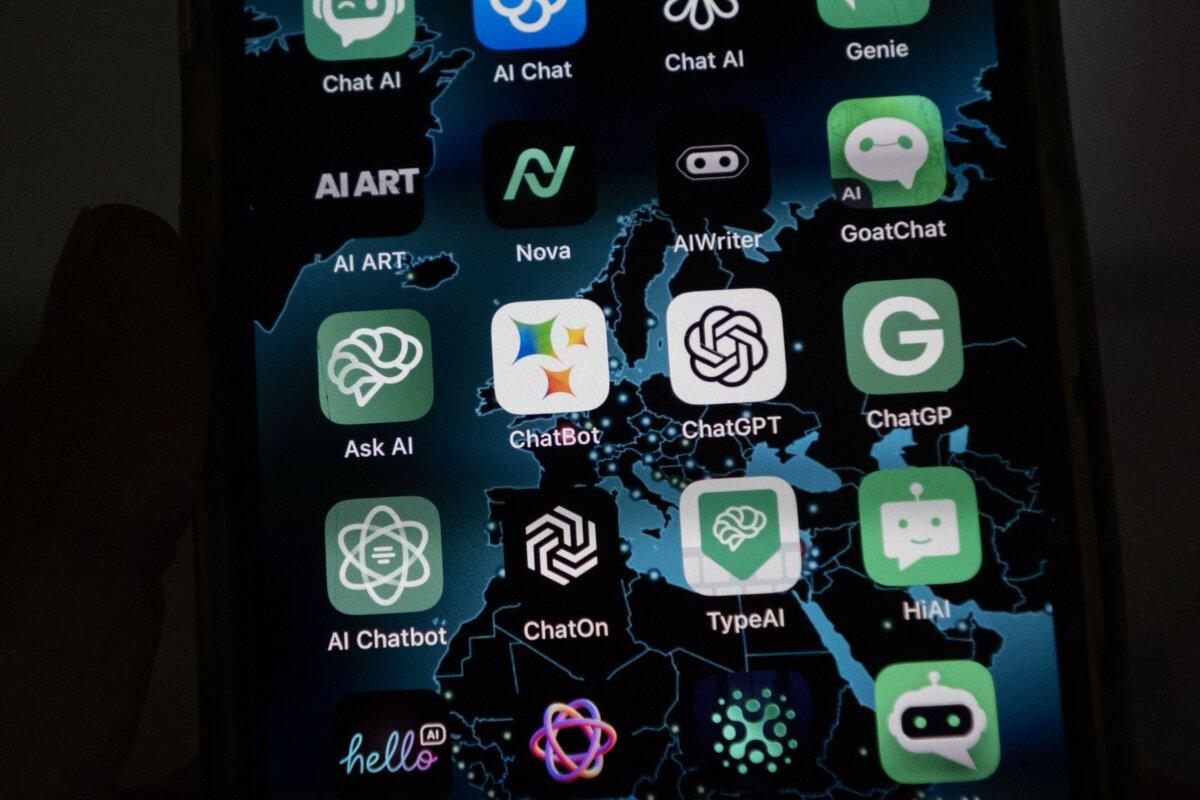
But it is not only employment in the tech industry that is being adversely affected by AI. Scores of other sectors are trimming payrolls in response to the new technology—and evolving market conditions.
“Some industries are correcting after the hiring boom of the pandemic, but this comes as AI adoption, softening consumer and corporate spending, and rising costs drive belt-tightening and hiring freezes,” Andy Challenger, the firm’s chief revenue officer, said in this month’s report.
“Every job we’ve got is going to change in some way—whether it’s getting the shopping carts off the parking lot, or the way our technologists work, or certainly the way leadership roles change,” McMillon, who will step down from his position in January, said.
Anxiety surrounding AI’s impact on employment could persist, but experts say more data is needed to better gauge the technology’s influence on the national labor market.
For now, economists at The Yale Budget Labor suggest there has not been a significant disruption.
Looking ahead to the new year, the hiring outlook is mixed.
Economists at Indeed Hiring Lab suggest next year “is likely to feel different, but not unrecognizable.”
“The most probable outcome is not a dramatic break from current conditions, but an extension of today’s ‘low-hire, low-fire’ environment.”