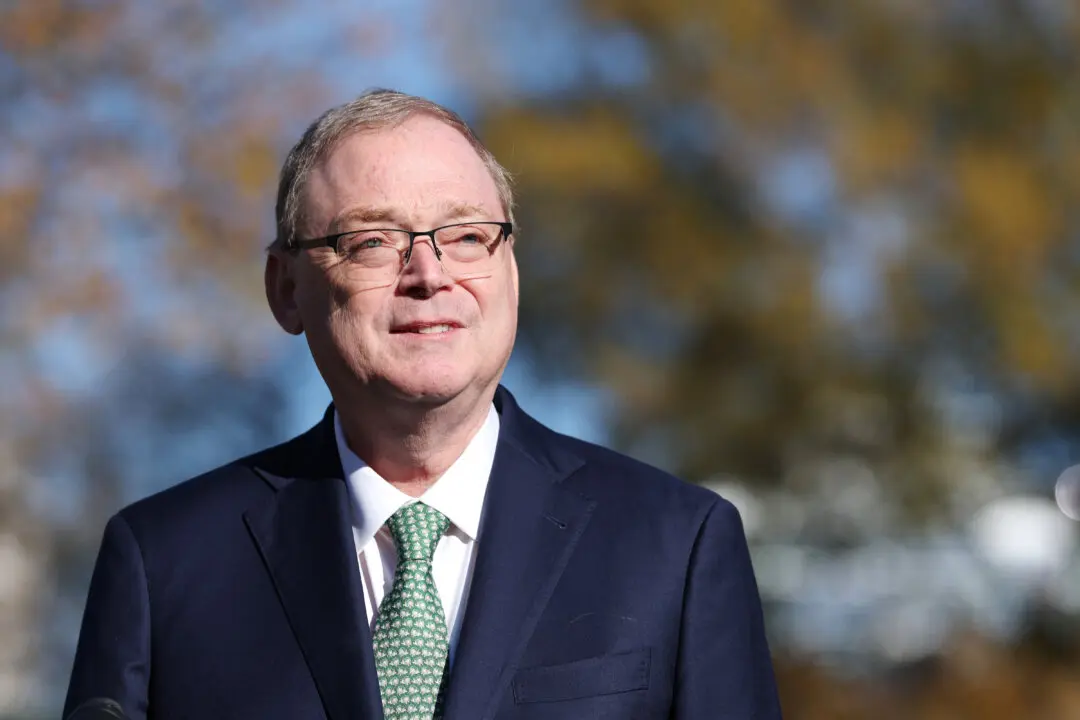
Kevin Hassett, a leading contender to become the next Federal Reserve chair, said on Dec. 14 that if he gets the position, while he would convey President Donald Trump’s views on interest rates to policymakers, those views would carry no formal weight in the central bank’s decisions.
“No, no, he would have no weight,” Hassett said when asked whether Trump’s opinions would have equal standing with members of the Federal Open Market Committee (FOMC), the Fed’s rate-setting body.
“It’s just his opinion matters if it’s good ... if it’s based on data, and then if you go to the committee and you say, ‘Well, the president made this argument, and that’s a really sound argument, I think, what do you think?’ If they reject it, then they'll vote in a different way.”
Hassett, who currently serves as director of the White House National Economic Council, said he speaks with Trump frequently about economic issues and would continue to do so if he were appointed to lead the central bank.
“I think he has very strong and well-founded views about what we ought to do,“ Hassett said of Trump. ”But in the end, the job of the Fed is to be independent and to work with the group of people that are on the Board of Governors, at the FOMC, to drive a group consensus on where interest rates should be.”
Trump Weighs Powell Replacement
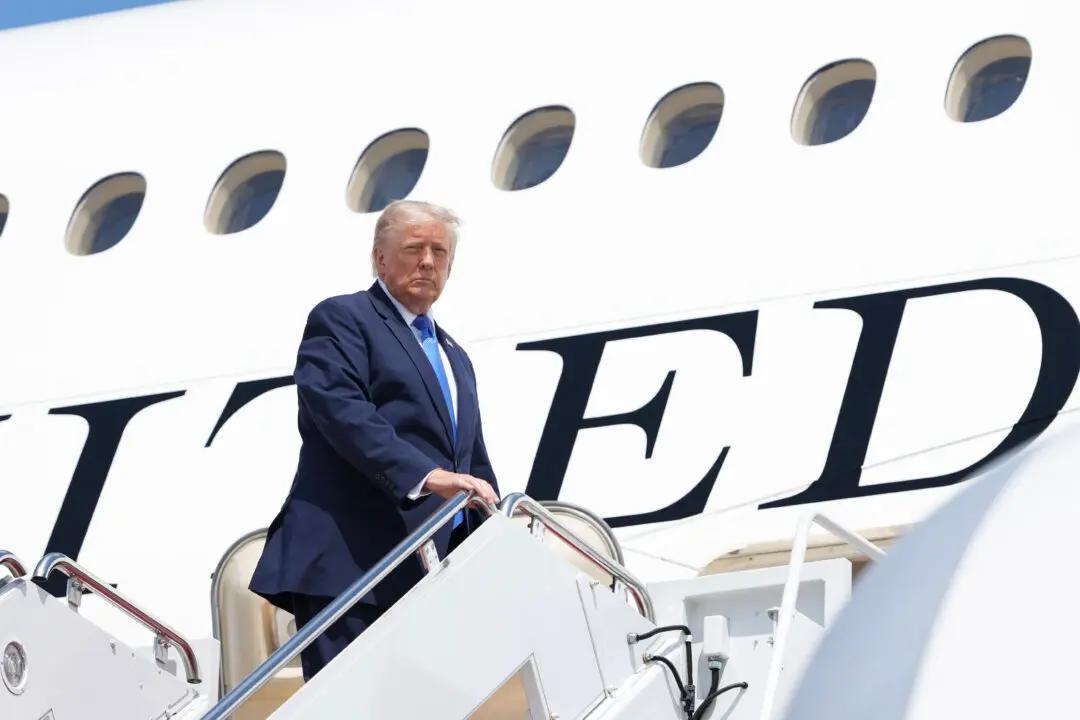
The comments come as Trump weighs his choice to replace Fed Chair Jerome Powell, whose term ends in May. Trump told The Wall Street Journal last week that his top candidates include Hassett and former Fed Board member Kevin Warsh.“I think the two Kevins are great,” Trump said.
Trump told the Journal that the next Fed chair should consult with him on interest rates, although he acknowledged that the central bank chief should not simply follow the president’s orders.
“I’m a smart voice and should be listened to,” Trump said, citing his business experience and financial success.
Hassett Defends Inflation Progress
Beyond the Fed leadership question, Hassett defended the administration’s economic record, particularly on inflation, a top concern for voters. Consumer prices have risen about 2.8 percent over the past year, according to recent data, above the Fed’s 2 percent target.He said headline inflation masks progress in key categories, pointing to declines in prescription drug prices, gasoline, and some food items. He said broader disinflationary momentum was helped along by shrinking deficits and trade imbalances.
“Right now, it’s looking like the deficit for this year will be $600 billion lower than it was last year,” Hassett said. “That really helps lower inflation. We’ve got the trade deficit cut in half from last year. And so all of these things are things that should continue to move us towards the Fed target of 2 percent.”
He also pushed back against claims that tariffs are driving prices higher, saying the evidence is mixed, and highlighted steps to reduce or eliminate duties on food items not produced domestically.
On the labor market, Hassett acknowledged signs of cooling but said it was too early to draw firm conclusions from surveys suggesting slower hiring in 2026. He said the upcoming household employment data would provide a clearer picture.