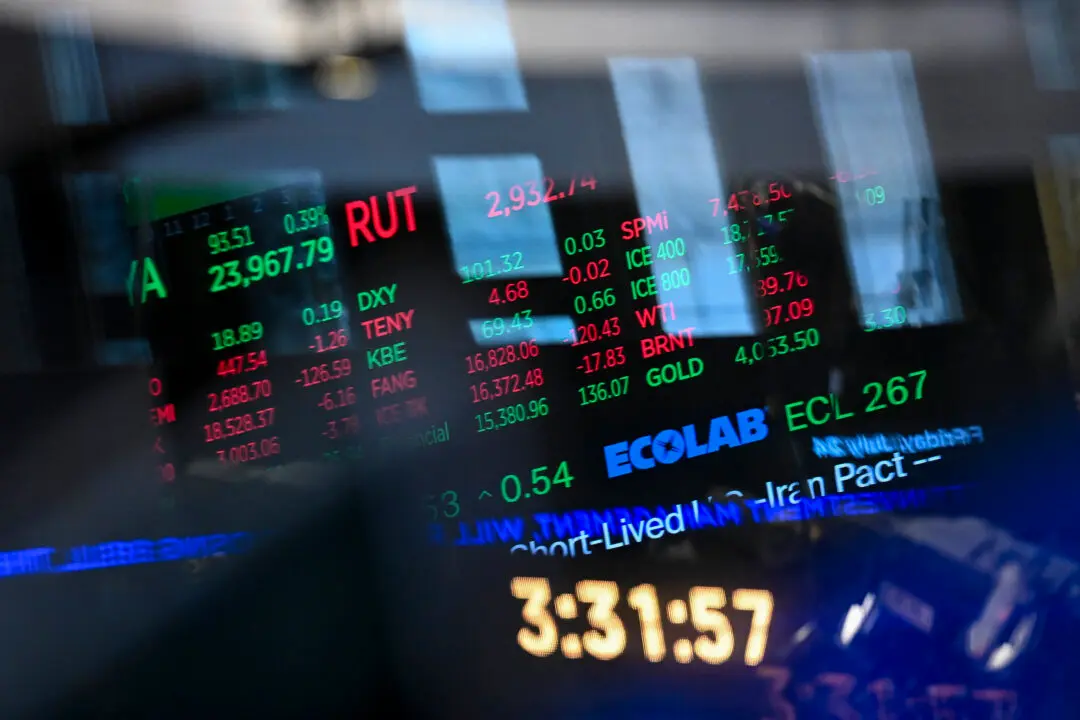
We heard from up to 10 Fed officials on the speaking circuit last week. The comment causing the most concern came from Atlanta Fed President Raphael Bostic, when he said that inflation concerns make him hesitant for now to declare support for cutting rates at the October FOMC meeting, even though economic risks have shifted in recent months toward worries about jobs.
Specifically, Bostic said, “I am concerned about the inflation that has been too high for a long time,” adding that he “would not be moving or in favor of it, but we’ll see what happens.” This last bit of double speak (hedging his bets) has become an art form by Fed members, but a poor September payroll report on Friday, or rising claims for unemployment, might change Bostic’s mind on future key interest rate cuts.
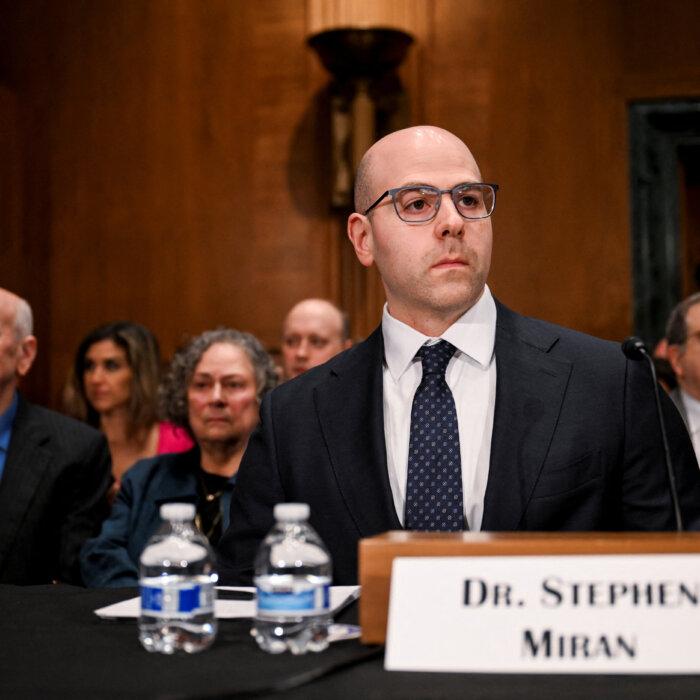
With an opposite view, new Fed Governor Stephen Miran has been out and about saying that the Fed could damage the U.S. economy if it keeps key interest rates too high. On Bloomberg TV last Thursday, Miran said, “I would rather act proactively and lower rates… ahead of time, rather than wait for some giant catastrophe to occur.” Miran added, “If policy stays excessively restrictive for too long, you get to a situation in which you have a meaningful increase in the unemployment rate,” so he advocated “a very short series of 50-basis-point cuts.” (He seems alone in calling for 0.50% key interest rate cuts.)
No matter what the Fed does next, many central banks in developing nations are selling their dollars, yen or euros to buy gold, which is up $500 (+15%) since August 1st and just hit a record high. Central banks have bought massive amounts of gold each year since 2022. While cryptocurrencies remain high and volatile, gold prices have been resilient, as gold is viewed as a safe hedge against most key currencies.
Here are the most important developments recently and what they mean:
- There is plenty of evidence of resurging U.S. economic growth. This week, I am anticipating improving consumer confidence, strong durable goods orders, improving ISM manufacturing and a good September payroll report (it will be postponed if there is a federal government shutdown). Consumer spending is now outpacing personal income, so consumers are incurring more debt as their confidence increases. The Fed needs to keep lowering key interest rates to help the beleaguered housing industry and other interest rate sensitive sectors.
- Currently, the U.S. economy is running at a 3.9% annual pace according to the Atlanta Fed’s GDPNow, but a 5% annual pace is likely in 2026 as all the onshoring efforts boost overall GDP growth. Thanks to the U.S. dollar getting its “mojo” back and the fact that we are importing deflation for China, I am not anticipating inflation to perk up, which should allow the Fed to continue to cut key interest rates. In other words, we are approaching “economic nirvana,” which is when the “velocity of money” perks up and prosperity rises.
- This is setting the stage for a strong year-end rally. I am expecting the S&P 500 to surge 8% in the fourth quarter and stage an impressive year-end rally. I should add that the S&P 500’s earnings are growing at a faster pace than 8%, so my fourth quarter forecast is conservative. For 2026, I am expecting the S&P 500 to rise 18% as strong corporate earnings persist and we get some more Fed key interest rate cuts.
- Not only is the S&P 500 doing well. But the Russell 2000 and small-to-mid capitalization stocks are doing well because there is an institutional parade into more domestic stocks that are benefiting from a strong U.S. economy.
- I am expecting 2026 to be like 1999, when I had multiple portfolios surge over 100%, so I am expecting a spectacular year. The breadth and power of the overall stock market are expected to expand, and many stocks are not overvalued. As evidence, my average large capitalization growth stock is trading at only 15 times forecasted earnings, but amazingly, my average small-to-mid capitalization growth stock is trading at barely 4 times forecasted earnings.
Overall, October is a seasonally strong month, and November is even stronger, especially as Thanksgiving approaches. The holidays are a happy time of year, and that positive sentiment also tends to rub off on the stock market. This is what I like to call “locked and loaded” time, so prepare for a strong year-end rally and an even more spectacular 2026. I want you to ignore all the bearish naysayers, hang on, and enjoy the ride.