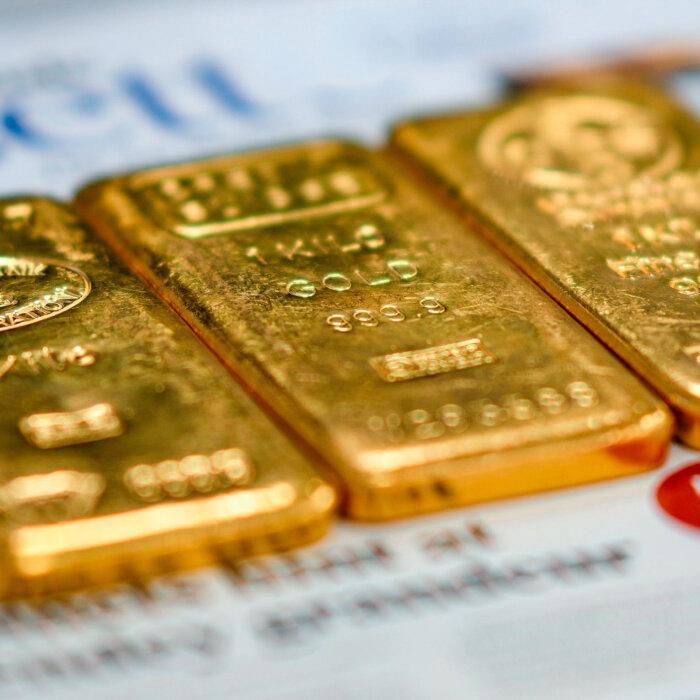
Gold futures surged to a fresh all-time high late on Thursday after reports that the U.S. government may have imposed tariffs on the most widely traded gold bars—the one-kilogram and 100-ounce cast types commonly used to settle COMEX contracts.
While the documentation appears to cover 1-kilogram and 100-ounce cast gold bars, it remains unclear whether all bars of this size and type are now subject to tariffs or only those specifically described in the CBP ruling. The July 31 letter from CBP states that the determination “applies only to the specific factual situation and merchandise description” outlined in the request, which includes detailed specifications such as the bars’ dimensions, composition, and markings.
The Epoch Times has reached out to CBP for clarification, with the agency deferring to the White House.
A White House official told The Epoch Times that an executive order would be issued “in the near future clarifying misinformation about the tariffing of gold bars and other specialty products.”

If broadly applied, the gold bar tariffs could significantly impact imports from countries like Switzerland—a major global gold refining hub. Swiss imports are now facing a 39 percent tariff rate effective Aug. 7, while products from other countries fall under varying tariff levels depending on the relevant trade tier.
The association described the 39 percent levy as making Swiss exports of gold cast products to the United States “economically unviable,” and said it is in talks with “key U.S. entities” to seek a resolution.
Switzerland’s State Secretariat for Economic Affairs, in an Aug. 7 statement, said it remains committed to reducing the tariff through ongoing discussions with U.S. officials.
“On 7 August, the Federal Council acknowledged that additional tariffs of 39% are now being applied to Swiss products entering the United States,” it said. “It remains firmly committed to pursuing discussions with the US with the aim of reducing these tariffs as swiftly as possible.”
Some analysts suggest that even limited tariffs on large gold bars could ripple through the market.
“Central banks are still buying, Trump’s trade war is still going on, geopolitical risks remain elevated, and ETF holdings continue to expand – all underpinning gold prices at the current levels,” ING Commodity Strategist Ewa Manthey wrote in a note.
ING now expects gold to average $3,400 per ounce in the third quarter and $3,450 in the fourth, raising the full-year average to $3,250.
Vince Stanzione, CEO and founder of First Information, told The Epoch Times that increased central bank gold purchases are a major factor behind the rally.
“The main reason for gold rallying is that more central banks around the globe are buying and holding gold on their balance sheets rather than the U.S. dollar,” he said. “The trend was accelerated in 2022 when the U.S. started freezing Russian U.S. dollar assets, which caused many around the globe to rethink their currency holdings.”