General Motors said on Jan. 8 it would take a $6 billion charge to unwind part of its electric-vehicle (EV) investments, becoming the latest U.S. automaker to scale back spending on EVs as federal incentives fade and demand cools.
The $6 billion charge will be recorded in the fourth quarter of 2025 and reflects a mix of accounting write-downs and real cash costs tied to canceled supplier contracts and reduced factory investments, the company said.
About $1.8 billion of the charge consists of non-cash impairments and account write-downs that reduce the book value of assets, such as factories or equipment, when they are no longer expected to generate the originally projected returns.
EV Demand Slows
GM said in its SEC filing that it had invested heavily in developing EV technology and added EV production to existing factories so they could build electric vehicles alongside gasoline-powered models.That strategy initially paid off. GM said it became the second-largest seller of electric vehicles in North America starting in the second half of 2024, supported by a broad lineup of electric SUVs, trucks, and luxury models. Conditions shifted in 2025.
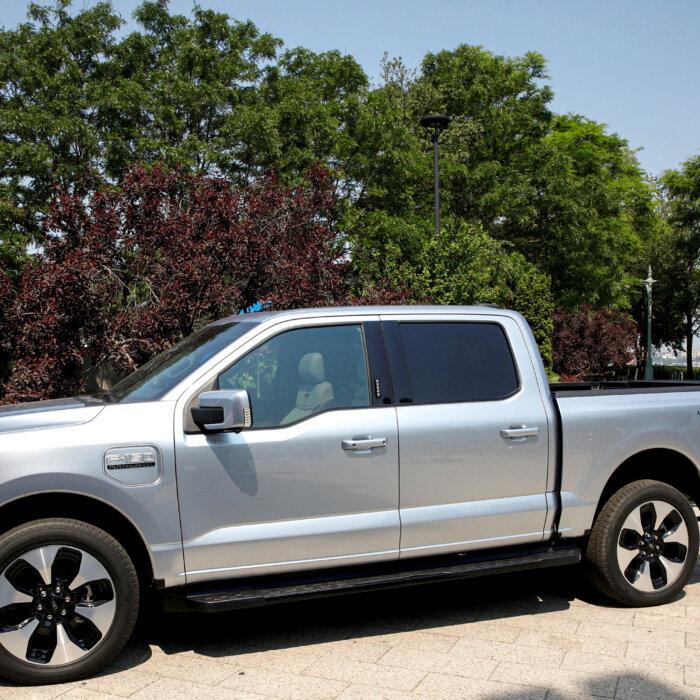
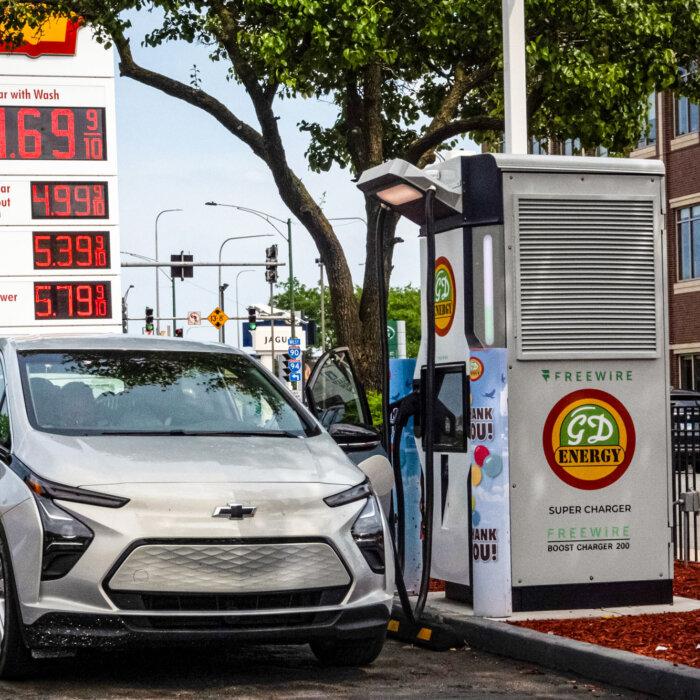
“With the termination of certain consumer tax incentives and the reduction in the stringency of emissions regulations, industry-wide consumer demand for EVs in North America began to slow in 2025,” GM said.
Congress approved a $7,500 tax credit in 2008 for buyers of electric cars and plug-in hybrid vehicles. The 2022 Inflation Reduction Act extended the credit while also limiting eligibility to EVs built in the United States that use certain levels of domestically sourced batteries and materials.
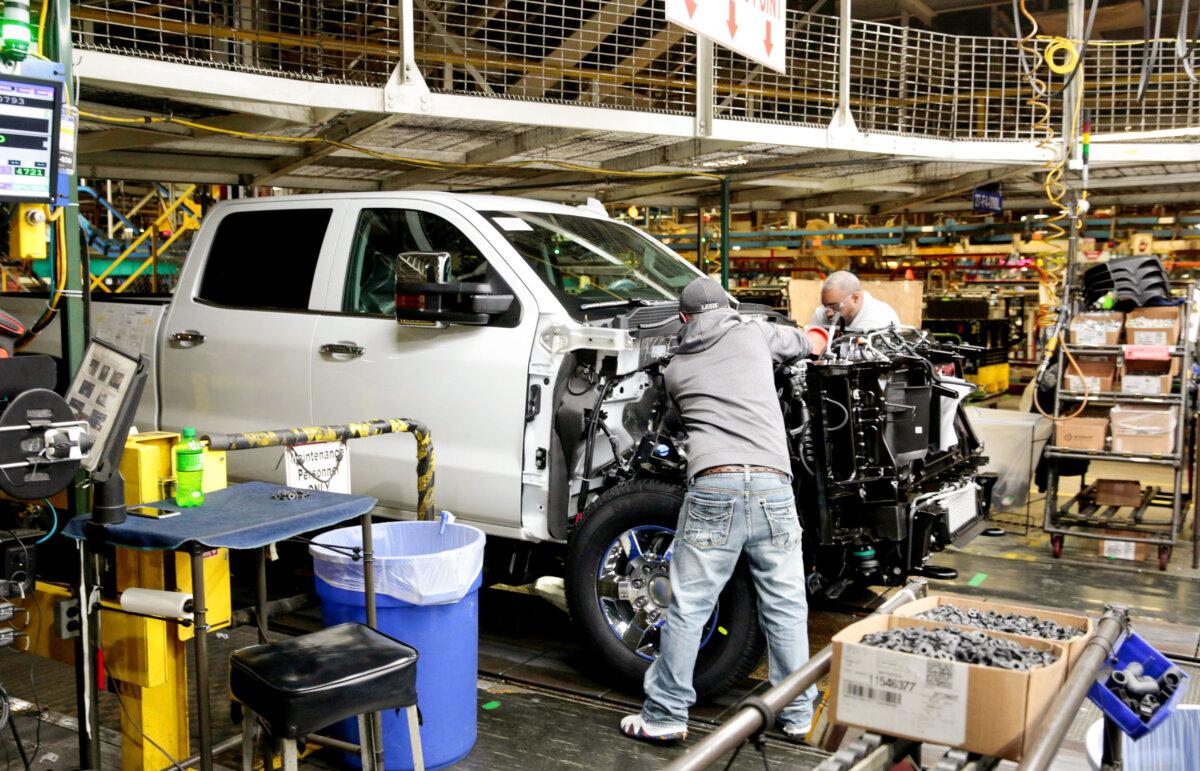
Some automakers, including GM’s crosstown rival Ford, have been scaling back EV production since last summer, when the One Big Beautiful Bill Act eliminated the $7,500 tax credit for buying or leasing new electric vehicles and a $4,000 credit for used EVs at the end of September.
Factory Shifts, Battery Pullback
In its filing, GM also said it pivoted the Orion Assembly plant in Michigan away from electric vehicles and back toward producing full-size SUVs and pickup trucks powered by internal combustion engines, which burn gasoline or diesel.The automaker also reduced its planned battery production. GM said it sold its stake in the Ultium Cells battery plant in Lansing, Michigan, to its partner LG Energy Solution. Battery plants are among the most capital-intensive parts of the EV supply chain, and scaling them back reduces long-term investment needs.
The company added that it expects additional EV-related charges in 2026 as it continues negotiations with suppliers, but said those amounts should be “significantly less” than the charges recorded in 2025.
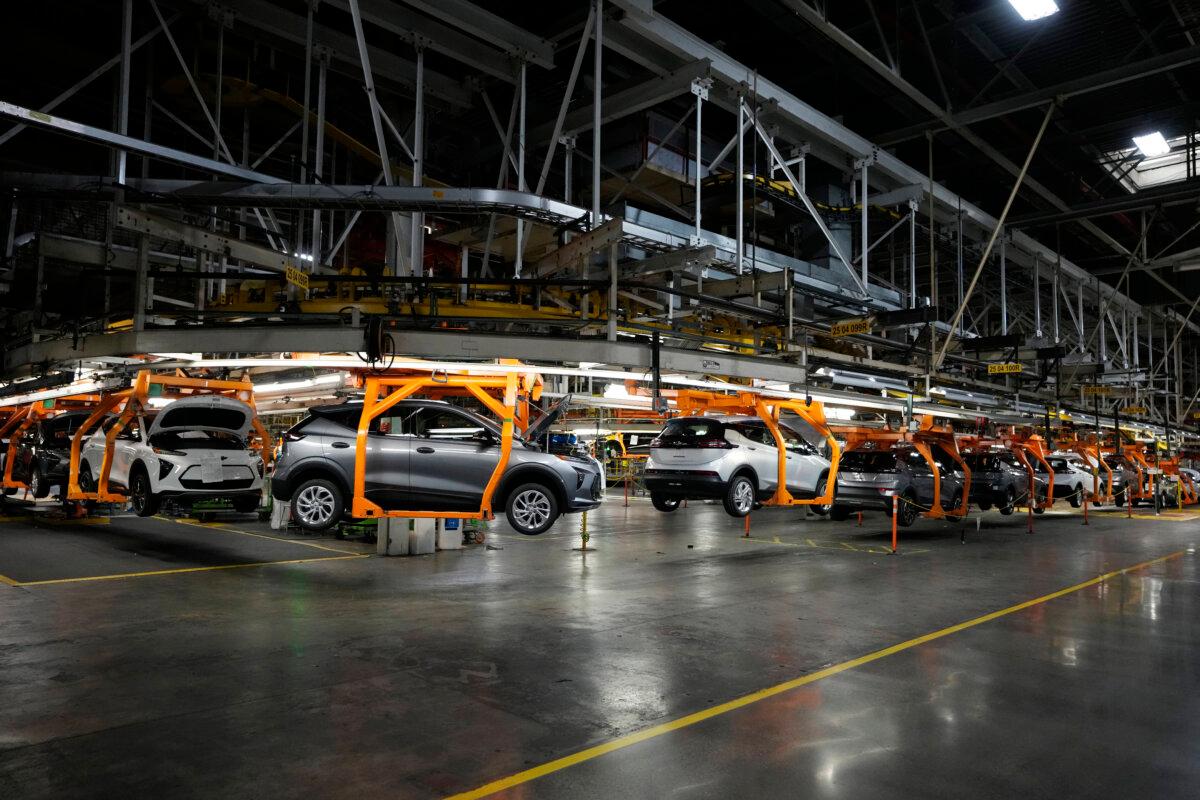
GM also warned that proposed changes to greenhouse gas emissions standards could force it to write down the value of emissions credits it holds. These credits, which automakers can earn or buy to meet regulatory requirements, lose value if regulations are weakened.
Despite the pullback, GM said the changes would not affect electric vehicles currently on sale.
“As previously disclosed, our strategic realignment of EV capacity does not impact today’s retail portfolio of Chevrolet, GMC, and Cadillac EVs in production, and we plan to continue to make these models available to consumers,” the company said.