The Detroit-based automaker said its Audit Committee approved the loss on Oct. 7, covering the three months ended Sept. 30. The company noted that the loss is part of its plan to realign EV production and factory operations to better match customer demand.
The credit, established under former President Joe Biden’s 2022 Inflation Reduction Act, had been a key driver of EV sales in the United States. Trump signed the One Big Beautiful Bill Act on July 4, which set Sept. 30 as the final date for receiving EV purchase credits, effectively terminating the benefit.
“Following recent U.S. government policy changes, including the termination of certain consumer tax incentives for EV purchases and the reduction in the stringency of emissions regulations, we expect the adoption rate of EVs to slow,” GM said in a filing.
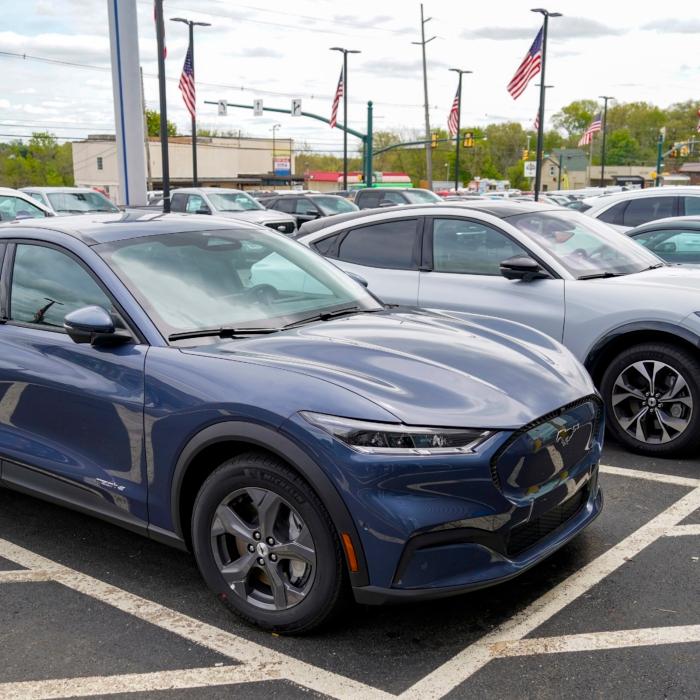
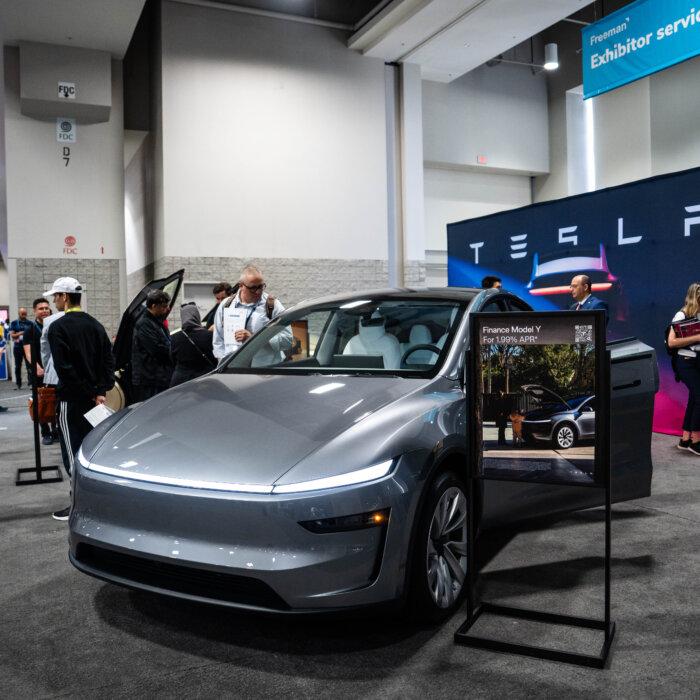
According to the filing, $1.2 billion of the loss is related to non-cash impairments, mostly write-downs of EV assets. The remaining $400 million will be paid in cash for contract cancellations and commercial settlements tied to EV investments.
The company said its review of EV manufacturing and battery component investments is ongoing.
“It is reasonably possible that we will recognize additional future material cash and non-cash charges that may adversely affect our results of operations and cash flows in the period in which they are recognized,” GM added.
GM noted that the costs, along with several smaller ones this quarter, will be recorded as adjustments in its non-GAAP results, which exclude one-time items from the company’s official earnings reported under generally accepted accounting principles (GAAP).
The automaker also said its EV realignment will not affect current Chevrolet, GMC, and Cadillac electric models, which “remain available to consumers.”
Industry Changes
GM had previously pledged to invest up to $35 billion in electric and autonomous vehicles through 2025, aiming to transition most of its portfolio to zero-emission models later in the decade.However, slower-than-expected consumer adoption, high production costs, and uncertain government policy have made that goal more difficult to achieve.
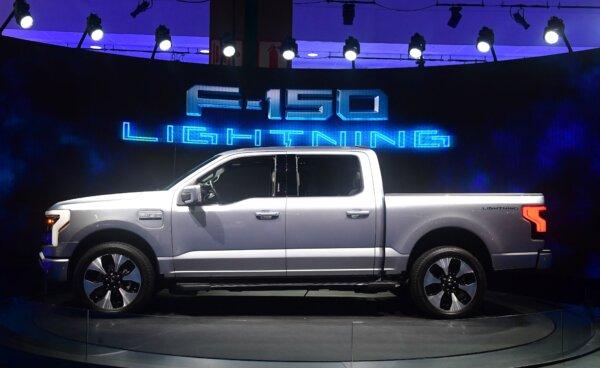
GM joins other automakers reassessing the EV market, including rival Ford Motor Co. Last year, Ford said it would take a $1.9 billion hit from plans that included canceling an all-electric SUV and delaying an electric pickup truck.
GM said the Chevrolet Equinox EV was the best-selling electric model outside Tesla, while its Cadillac Lyriq, Optiq, and Vistiq models all ranked among the top 10 in U.S. EV sales.
In a Sept. 2 report, Duncan Aldred, GM’s North America president, said the company expects lower EV sales next quarter after the tax credits end on Sept. 30. He added that it may take a few months for the market to steady.
“Still, we believe GM can continue to grow EV market share,” he wrote. “We are seeing marginal competitors dramatically scale back their products and plans, which should end much of the overproduction and irrational discounts we’ve seen in the marketplace.”