A U.S. and global memory-chip stock sell-off triggered a global market rout on June 23, sending leading benchmark averages lower.
The tech-driven Nasdaq Composite Index declined 579 points, or more than 2 percent, paring its year-to-date gains to below 13 percent. It declined as much as 900 points at the opening bell.
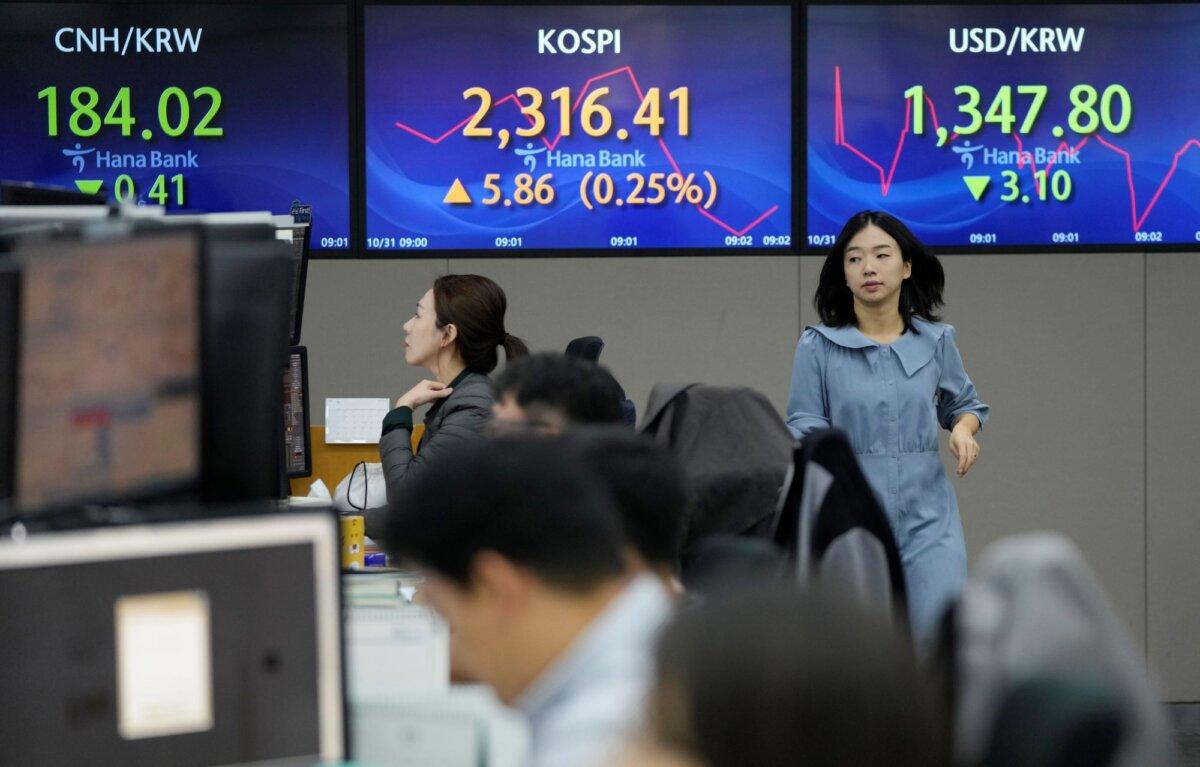
Recent tech losses began overnight, as selling gained steam in Asian markets. South Korea’s Kospi fell almost 10 percent, triggering circuit breakers twice. Japan’s Nikkei 225 snapped its eight-session winning streak and slipped nearly 4 percent.
The foreign-market selloff bled into scores of U.S. chip companies—Micron Technology, SanDisk, Seagate Technology, and Intel—sending their shares down as much as 10 percent.
“The overnight action in the KOSPI was parabolic. We’ve been talking about stocks in the U.S. getting little too far out over their skis, and we’re getting a pullback,” Jay Woods, chief market strategist at Freedom Capital Markets, told The Epoch Times in an emailed note.
SpaceX, meanwhile, slid another 3 percent to below $150—below its debut price—in early trading before rebounding throughout the session.
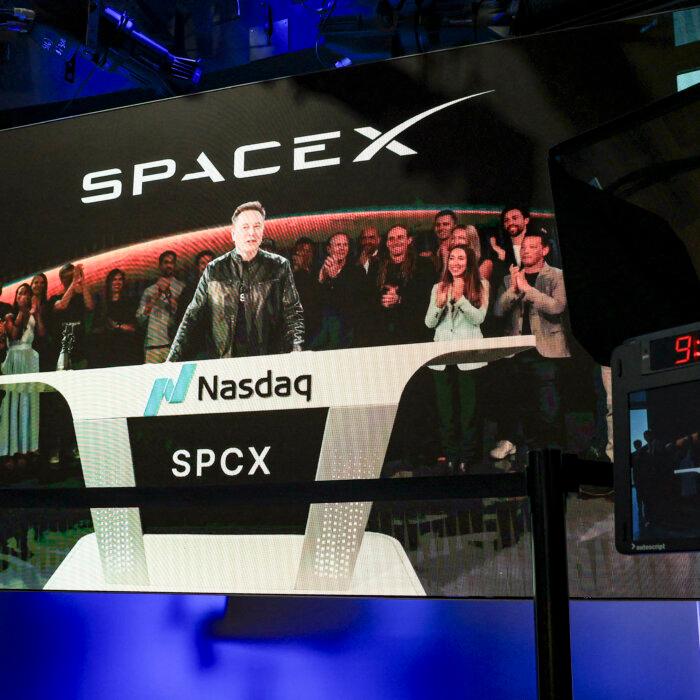
Shares of Elon Musk’s rocket-to-AI company erased all of their post-initial public offering (IPO) gains and were down as much as 26 percent from their high of $202.
At the closing bell, SpaceX was up nearly 1 percent to above $156.
The company has struggled to maintain the momentum from the days following its blockbuster IPO, as traders take profits, lockups expire, and SpaceX joins the AI borrowing frenzy.
Whether the downward movements in the tech trade can persist will depend on Micron’s earnings this week.
Eyes on Micron
The chipmaker will release its third-quarter earnings report after the June 24 closing bell. It will be a critical moment for the current tech-fueled rally in the stock market since Micron has been one of the top performers in the artificial intelligence (AI) infrastructure buildout.
Investors will pay close attention to determine whether demand remains strong and supply continues to be tight, Woods noted.
“Any signs of weakening AI orders, oversupply concerns, or softer pricing could reignite fears that this is still a classic boom-and-bust memory cycle,” he added.
“Technically, shares are over-extended. You’ll need to have your neck adjusted just staring up at this chart.”
A potential 10 percent pullback could filter through the broader markets and drive headlines, “just like South Korea is making headlines today,” he said.
But the decline also extended into major tech names, including Alphabet. Google’s parent fell nearly 2 percent, one day after suffering its worst session in more than a year.
AI worries and fears of a brain drain—two high-profile AI researchers have left the company in recent days—contributed to the decline.
As a result, the selloff has reignited the AI bubble narrative, said Cullen Rogers, portfolio manager of the IVES ETF.
“People are consistently underestimating where this is going,” Rogers said in an emailed note to The Epoch Times.
“If this plays out the way we think it will, it’s the start of a massive infrastructure buildout to meet pent-up demand. This is a different innovation cycle than we’ve seen before.”
From Iran to Private Credit
Weaknesses were also broad-based early in the trading week. Confusion surrounding the Iranian conflict, the Federal Reserve policy outlook, and private credit woes weighed on financial markets.
The broad-market S&P 500 erased more than 100 points, or nearly 1.5 percent. The blue-chip Dow Jones Industrial Average erased nearly 50 points, or 0.1 percent.
The Russell 2000—an index of 2,000 microcap stocks—also weakened nearly 1 percent.
Apollo Global Management said in a June 22 regulatory filing that it is limiting investor redemptions in its primary retail-focused private credit fund after withdrawal requests surged almost 17 percent in the second quarter.
The private markets juggernaut will cap drawdowns at 5 percent of shares, according to the Securities and Exchange Commission filing,
As for monetary policy, traders continue to price in an interest rate hike as their base-case scenario at the September Federal Open Market Committee policy meeting.
The 2-year Treasury yield, which reflects expectations for Federal Reserve policy, eased slightly but remained near 4.2 percent.