Buying a home has long been central to the American dream for younger generations, connected to goals such as having a stable residence, raising a family, and building long-term wealth.
But for Gen Z—those born between 1997 and 2012—homeownership is increasingly out of reach, with affordability a major hurdle, according to a recent Harris Poll for Coldwell Banker Real Estate.
This delay, in turn, is having significant effects on other life choices.
Eighty-four percent of potential Gen Z homeowners have postponed at least one major life decision, and nearly a third (29 percent) said they are waiting to have children until they can afford a home.
Among those who have not yet purchased a home, nearly one in five said they are delaying marriage or having children (18 percent each). Another 17 percent are postponing career changes or even getting a pet, and 15 percent are holding off on starting a business.
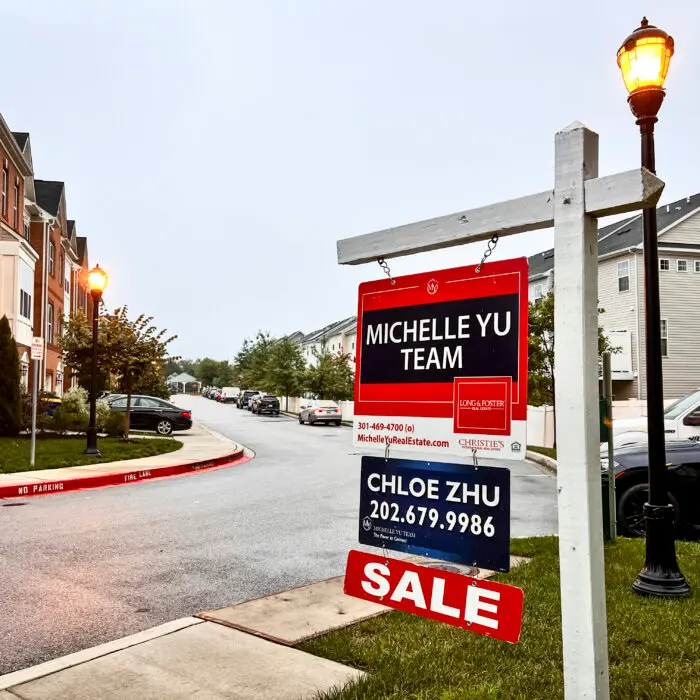

Side Jobs and Fixer Uppers
The decline can be attributed to several factors.At the center of the issue are soaring home prices, which have made it more difficult for prospective buyers to save for down payments and qualify for mortgages.
Compounding the problem over the past five years are high mortgage rates driven by tight monetary policy. The Federal Reserve has kept interest rates elevated to combat inflation, directly affecting the cost of borrowing for homebuyers.
Despite increasing unaffordability, the Harris poll found that homeownership remains a top goal for young Americans. Many are taking steps to achieve it, such as taking on side jobs (42 percent), purchasing smaller or fixer-upper homes (35 percent), or relocating to more affordable areas (35 percent).
“While affordability remains a significant hurdle, the desire for homeownership among Americans is so strong that many are restructuring their lives to make it a reality,” Jason Waugh, president of Coldwell Banker Affiliates, said of the Harris poll. “People view homeownership not only as a foundation for stability, but as one of the most effective vehicles for building long-term wealth.”
Charles Urquhart, founder of fixed income resources and adjunct professor of finance at Loyola University Maryland, said he views rising interest rates as the primary driver of the affordability problem.
“Gen Z is now facing the actual price of a home, not the artificial, cheap one their parents took advantage of,” Urquhart told The Epoch Times.
He also cited low housing supply, rising debt among younger people, and inadequate savings and income instability as contributing factors.
Tali Raphaely, a real estate attorney and president of Armour Title Company, told The Epoch Times that home affordability is worsening because of elevated inflation, large investors competing with traditional buyers, increased demand from short-term rental purchases, and homeowners’ unwillingness to part with the low mortgage rates they secured in recent years.
Ahmed Harhara, an engineer and founder of HoustonHomeTools.com, said he believes that affordability is deteriorating because home prices, insurance costs, and construction expenses have risen faster than wages.
He noted that in high-risk regions—such as flood, hurricane, wildfire, or subsidence zones—stricter building codes and increasing insurance premiums place entry-level homes further out of reach.
“From my inspections in Houston, I see how hidden factors like soil movement, drainage issues, and humidity damage add thousands in long-term maintenance costs that first-time buyers don’t expect,“ he told The Epoch Times. ”The affordability crisis isn’t just about the purchase price—it’s the lifetime cost of owning a home in a more volatile environment.”
As a solution, Harhara supports lower-maintenance housing designs and zoning changes that permit a broader mix of housing types, rather than relying solely on single-family development.
“That’s how you align supply with what younger buyers can realistically afford,” he said.
Urquhart recommends more construction, zoning appeals, and incentives to increase real supply, rather than relying on creative financing approaches that fail to address underlying scarcity.
“Until we overcome supply, Gen Z will continue postponing massive life decisions because they don’t add up on a household balance sheet,” he said.