FTC Sues Ticket Broker for Allegedly Exceeding Purchase Limit for Taylor Swift’s Eras Tour

Key Investment Group said it would ‘vigorously defend itself’ against the Federal Trade Commission’s lawsuit.
FTC Sues Ticket Broker for Allegedly Exceeding Purchase Limit for Taylor Swift’s Eras Tour
Taylor Swift performs at Wembley Stadium as part of her Eras Tour, in London on June 21, 2024,. Scott A Garfitt/Invision/AP, File
|Updated:
0:00

The Federal Trade Commission (FTC) sued Key Investment Group and its affiliated companies on Aug. 18, alleging that they evaded ticket purchase limits for live events—such as Taylor Swift’s Eras Tour—and resold those tickets at inflated prices.

In its complaint, the FTC alleged that the Maryland-based ticket broker and its affiliated companies—which operate under brand names such as Epic Seats and Totally Tix—used thousands of fake Ticketmaster accounts and other illegal tactics to bypass security measures designed to prevent buyers from exceeding ticket purchasing limits.

Between November 2022 and December 2023, the companies allegedly bought about 379,776 tickets from Ticketmaster for nearly $57 million and later resold a portion of them on secondary marketplaces for $64 million, according to the complaint.

The FTC alleged that the defendants used 49 accounts to buy 273 tickets for a 2023 Taylor Swift concert, far exceeding the concert’s six-ticket purchase limit per event. The companies then resold the tickets at inflated prices, generating more than $119,000 in revenue.

The companies were accused of violating the Better Online Ticket Sales Act, or BOTS Act, a 2016 statute that makes it illegal to use bot technology to buy tickets online.

“Today’s action puts brokers on notice that the Trump-Vance FTC will police operations that unlawfully circumvent ticket sellers’ purchase limits, ensuring that consumers have an opportunity to buy tickets at fair prices,” FTC Chairman Andrew Ferguson said in a statement.
Key Investment Group said in a statement that it would “vigorously defend itself” against the FTC lawsuit and argued that the BOTS Act was intended to target “malicious software,” not legitimate businesses.

“The case threatens to dismantle the secondary ticket market for live events, further consolidating power in the hands of the industry’s largest monopoly,” the company stated.

Key Investment Group filed a lawsuit against the FTC in July, accusing the regulator of targeting its business practices using “a flawed interpretation” of the BOTS Act.
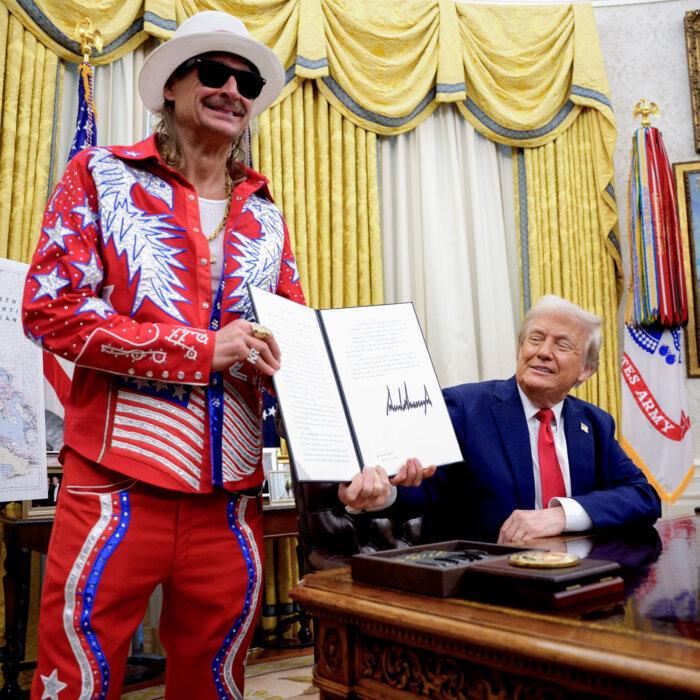
In March, President Donald Trump signed an executive order directing the FTC to work with Treasury Secretary Scott Bessent and Attorney General Pam Bondi to ensure that scalpers who buy event tickets in bulk and resell them at inflated prices fully comply with the Internal Revenue Code and other applicable laws.

Trump stated in his order that ticket scalpers use bots and other means to purchase large quantities of tickets and resell them at “an enormous markup” in the secondary market. Some fans paid up to 70 times the face value to get a ticket to see their favorite artists, according to the order.

“America’s live concert and entertainment industry is the envy of the world,” the president stated.

“But it has become blighted by unscrupulous middlemen who sit at the intersection between artists and fans and impose egregious fees while providing minimal value.”