“This historic agreement strengthens U.S. leadership in semiconductors, which will both grow our economy and help secure America’s technological edge.”
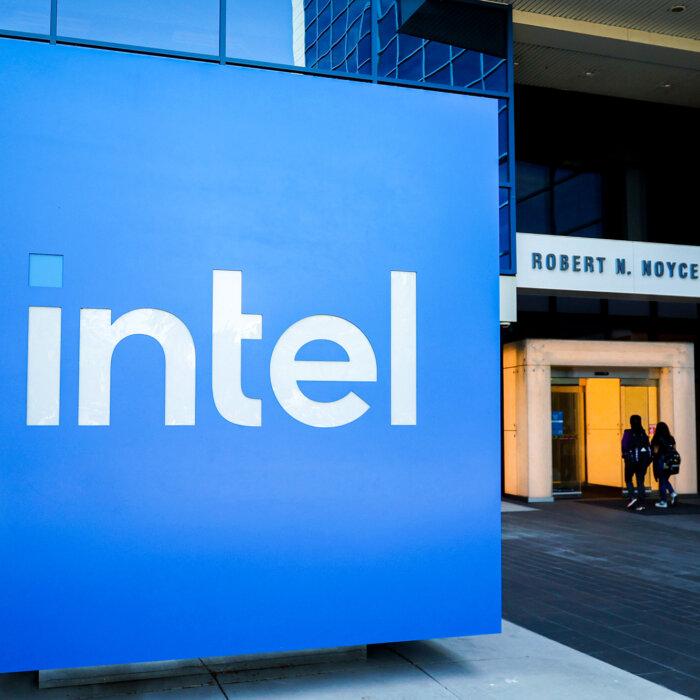
Intel, once the leading manufacturer of microchips, saw its stock price tumble from a high of more than $68 per share in 2021 to $23 on Aug. 21 over concerns that it has fallen behind its competitors as demand shifts to new markets such as artificial intelligence.
Following news that the government would buy a stake in the company, its shares rallied to more than $25 per share before falling back slightly by market close.
“President Trump’s focus on U.S. chip manufacturing is driving historic investments in a vital industry that is integral to the country’s economic and national security.”
1. Shares Are in Exchange for Awarded Grants
Approximately $8 billion in grants to Intel were already approved under the 2022 CHIPS Act, as part of $39 billion in subsidies to various tech companies intended to shift more chip production from Asia to the United States.In return for the grants, Intel had pledged to invest in its manufacturing and research facilities in Arizona, New Mexico, Ohio, and Oregon.
Those grants will now be converted to equity, which advocates say gives the government the potential to earn profits. The terms of the deal state that the federal government would swap a total of more than $11 billion in grants already awarded to Intel for the 10 percent stake, at a discounted price of $20.47 per share.
2. Government Will Be Largest Shareholder
Although the government has agreed to vote in sync with company management, the deal would give the government substantial influence over Intel.The investment will make the federal government Intel’s largest shareholder, with the second- and third-largest shareholders, BlackRock and Vanguard, owning 8.9 percent and 8.8 percent, respectively.
3. US Dependent on Taiwan for Advanced Semiconductors
One of the concerns that sparked government interest in Intel is the United States’ strategic dependence on semiconductors in its military hardware, as well as the economy in general.“Any disruptions to Taiwan semiconductor manufacturing—whether caused by pandemics, natural disasters such as typhoons or earthquakes, power or water shortages, factory shutdowns, or international conflict—would potentially have large impacts on global semiconductor supply,” the report states.
4. Deal Praised by Liberals, Criticized by Conservatives
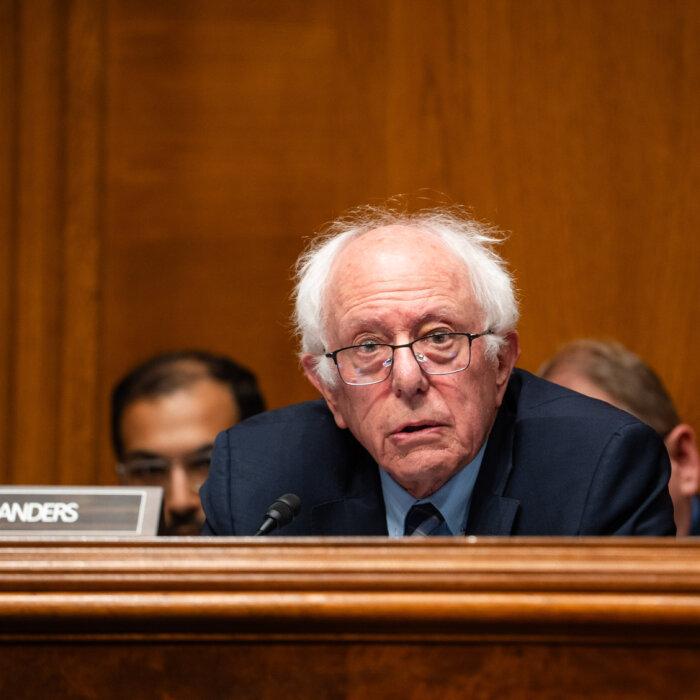
Taking an ownership stake in Intel is a new direction for the federal government. The deal received support among liberals and criticism among conservatives.During deliberations of the CHIPS Act, Sanders and Sen. Elizabeth Warren (D-Mass.) proposed an amendment that would have tied grants to receiving equity or senior debt in recipient companies. But that amendment was rejected in the final bill.
Meanwhile, Sen. Rand Paul (R-Ky.) called the equity purchase a “terrible idea.”
Tad DeHaven, policy analyst for the Cato Institute, told The Epoch Times: “There’s a reason that the world, especially Western, relatively capitalist countries, have moved away from state ownership.
“It’s a recipe for political malfeasance; it’s a recipe for sclerosis; it’s a recipe for manipulation.
“And what happens with these state-owned companies is that it inhibits their growth and productivity and it harms their prospects in the marketplace.”
5. Deal Could Face Legal Challenges
An additional issue regarding the equity purchase is whether the federal government can legally buy shares in private companies without congressional approval. The government acquired large equity stakes during the mortgage crisis in carmakers, banks, and insurers, including Citibank, General Motors, Chrysler, and AIG.But this was a temporary measure to address a “systemic” crisis, with the goal of shoring up bankrupt companies and returning them to private ownership once they got back on their feet. In that instance, the purchase of equity was authorized by Congress through the Emergency Economic Stabilization Act of 2008, which created the Troubled Asset Relief Program.
Without clear legal authority from Congress to buy shares of Intel, the deal could face challenges in court.