



Step aside, AMC and GameStop. There could be new meme stocks in town.
Wall Street experienced a unique retail-driven and liquidity-fueled trading frenzy in 2021. Largely coordinated on Reddit’s WallStreetBets page, armchair traders flooded several heavily shorted stocks—AMC, GameStop, Bed Bath & Beyond, BlackBerry, and Clover Health—and lifted their share prices far beyond fundamentals.
The craze died by 2022, driven by a mix of rising interest rates, exhaustion of fiscal stimulus, and early winners cashing out while latecomers were left holding the bag.
Markets dubbed the phenomenon “meme stocks,” and investors could be on the cusp of a fresh meme stock season following movements this week.
Shares of Allbirds surged as much as 900 percent on April 15 after the apparel and footwear company fired off the opening salvo in the AI-driven meme trade.
Allbirds announced it is pivoting toward artificial intelligence (AI) computing infrastructure and renaming itself as NewBird AI.
Retail net buying reached a record $5.2 million, surpassing its 2021 initial public offering, according to data gathered by Vanda Research.
“We’ve seen this playbook before—retail stepping in aggressively when a ‘non-tech’ company pivots toward AI,” Vanda analysts said in a note on April 16.
But it was not only Allbirds.
Myseum, a privacy-focused social media and technology firm, rebranded as Myseum.AI this week, igniting a 150 percent rally.
Darin Myman, CEO of Myseum, said in a news release: “As a privacy-first AI and social media technology company, we continue to deliver on our commitment to innovation in the secure digital media space through our development of popular privacy-first user platforms.
“Our new name, Myseum.AI, identifies our core AI-based technology that secures our multi-tiered social media ecosystem.”
Dot-Com and Crypto
Observers compared this to what happened during the dot-com bubble when scores of cash-strapped companies added a “.com” to their names, from Pets.com to eToys.com.A similar trend unfolded in 2017 and 2018, when struggling businesses announced they would embrace cryptocurrency and the blockchain.
Long Island Iced Tea changed its name to “Long Blockchain” in 2017, lifting shares 200 percent almost immediately.
Kodak shares surged more than 100 percent in a single day when it announced a blockchain licensing deal and an altcoin in 2018.
The current craze is founded on different buzzwords—mainly AI—and a handsome tax windfall.
“I don’t want to in any way pass judgment on NewBird AI’s move without the necessary diligence, but the signal is undeniable,” Mark Malek, CIO at Siebert Financial, said in a note emailed to The Epoch Times.
“There is a well-established precedent for what to do when markets run hot, rationality takes a back seat, and the signals start flashing,” he continued.
“You do what I have been doing since long before any of these companies existed. You keep the freezer full of ice.”
The retail push to prop up cheap stocks or names that are substantially shorted has popped up over the past few years, only to disappear shortly after.
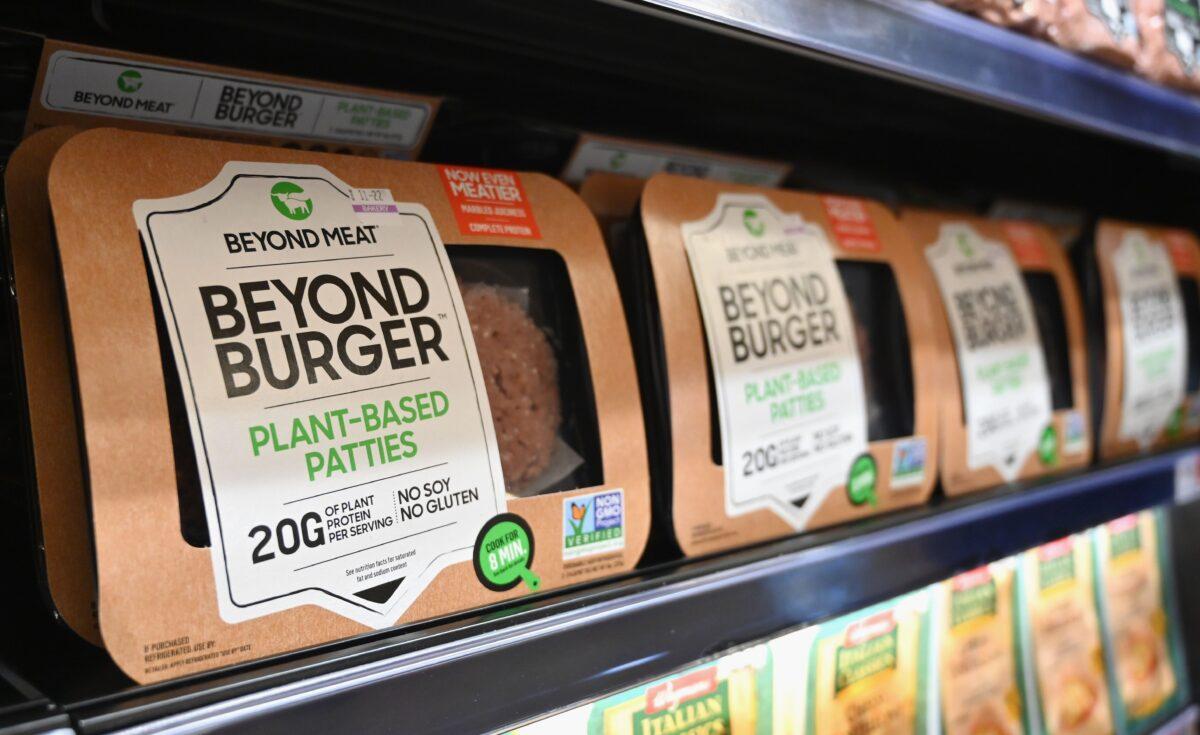
This past fall, shares of Beyond Meat ripped 100 percent higher to almost $4 before erasing all those gains. The stock is down 67 percent over the past 12 months, trading below $1.
In February, Algorhythm Holdings soared about 300 percent to $4 after it claimed its AI platform could increase customers’ freight volumes by upwards of 400 percent “without a corresponding increase in operational headcount.”
Irrational Exuberance
To those on the outside looking in, the stock market might appear to be engulfed in irrational exuberance—a term coined by former Federal Reserve Chair Alan Greenspan to describe overvaluations.Despite AI bubble fears, private credit woes, inflation fears, and a war in the Middle East, the leading benchmark averages are surging.
The blue-chip Dow Jones Industrial Average could soon reclaim 50,000.
The tech-fueled Nasdaq Composite Index is on a 13-session winning streak for the first time in history.
The broader S&P 500 is at an all-time high.
Bret Jensen, a market analyst at The Biotech Forum, is “highly cautious” about the rally, citing lower GDP forecasts, rising inflation risks, private credit stress, and signs of an AI bubble.
“Given this outlook, I remain cautious within my capital allocation. Friday’s huge rise on the Strait of Hormuz news could well end up being a ‘buy the rumor, sell the news’ event next week,” Jensen said in an April 17 note.
Others, however, argue that the fundamentals remain strong.
“The fact that the S&P has returned to all-time highs despite the war in Iran and oil that remains over $90 barrel is a testament to the strength of the US economy and resilience of American businesses,” Chris Zaccarelli, CIO at Northlight Asset Management, said to The Epoch Times in an emailed note.
“The underlying fundamentals are strong enough to support this bull market.”


