
Amazon is opening its partial-load shipping service to outside businesses, escalating competition with legacy freight carriers and sending shares of several of those companies lower.
The e-commerce giant said on June 10 that it is expanding its less-than-truckload, or LTL, service beyond its current inbound-only model to all destinations. LTL shipping is used for freight that is too large for small-parcel carriers but not large enough to fill a full-size trailer.
Previously, businesses could generally use Amazon’s LTL fleet to send bulk goods inbound to Amazon’s own facilities. Now, companies can use Amazon to ship partial truckloads anywhere in the United States, including to third-party warehouses or directly to retail stores.
The market reaction reflected concern that Amazon’s expansive transportation network could challenge established players in the LTL business.
Old Dominion Freight Line fell about 7 percent in premarket trading on June 10, XPO dropped roughly 6–8 percent, and Saia fell about 8 percent.
FedEx, which recently spun off FedEx Freight, also traded lower compared to the previous market session close.
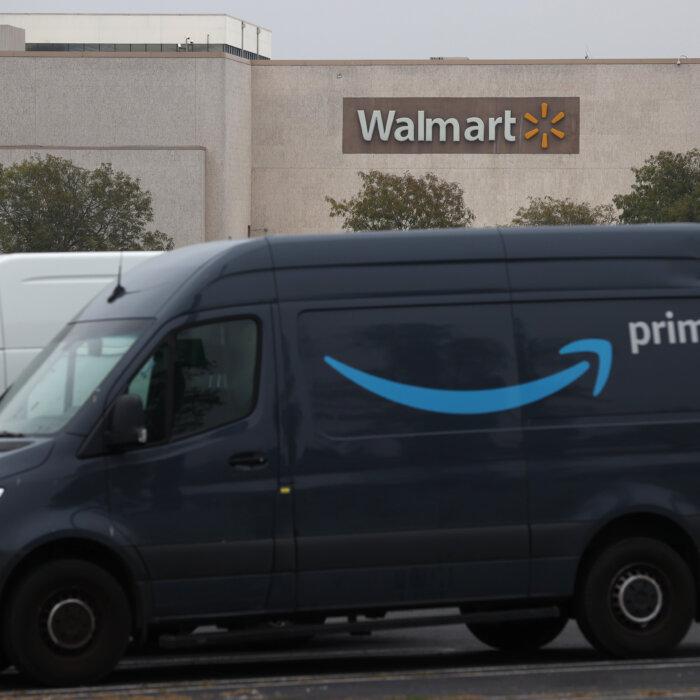

Amazon launched its LTL offering in April 2025 for shippers that did not require a full trailer. At the time, the service was available only for inbound deliveries to Amazon facilities, where goods could be stored, broken apart from large pallets, and later shipped individually through the company’s regular package-delivery network.
Amazon said it is now offering a more traditional spoke-hub LTL network, in which palletized shipments are picked up, transferred at a nearby terminal, and delivered to their final destinations while still on pallets.
Businesses can use Amazon to ship one to six pallets, or between 150 and 15,000 pounds, to their own warehouses, between company facilities, or to retail partners and distributors.
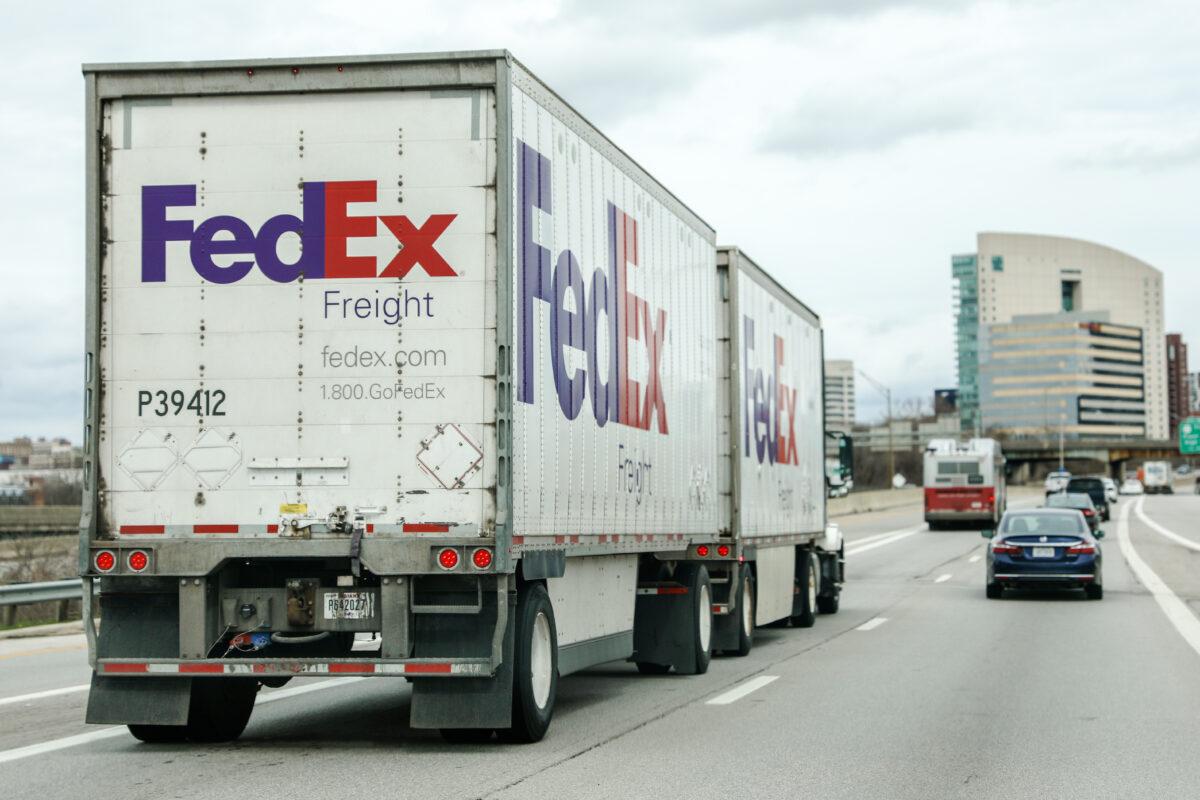
The expansion was driven by strong market demand for both faster delivery times and lower costs than those offered by legacy LTL carriers, according to Amazon.
“The feedback from Amazon selling partners using our LTL service was clear: the technology, visibility, and reliability were exactly what they needed—and they wanted to use it more broadly,” Amazon Freight Director Jim Ruiz said in a statement.
The move comes months after Amazon rolled out Amazon Supply Chain Services, a broader offering that leverages the company’s existing logistical power, including more than 200 U.S. fulfillment centers, 80,000 trailers, 24,000 intermodal containers, and more than 100 aircraft.
The services include full-truckload, LTL, air freight, inbound shipping from China to the United States, two- to five-day parcel shipping, and bulk storage and distribution.
Amazon has already overtaken the U.S. Postal Service as the largest domestic delivery provider by volume.
According to a March 16 report by shipping analytics firm ShipMatrix, Amazon’s logistics arm reached 6.7 billion packages delivered in the year of 2025, surpassing the USPS’s 6.6 billion packages. UPS came in third with 4.4 billion packages, and FedEx placed fourth with 3.6 billion packages.