
Ford Motor Company on Jan. 6 reported its strongest annual U.S. vehicle sales since 2019, buoyed by surging demand for hybrid models and affordable pickup trucks that helped counter a sharp slowdown in electric-vehicle sales.
Fourth-quarter sales increased 2.7 percent, to 545,216 vehicles—Ford’s best fourth-quarter performance since 2019—as the automaker gained market share in a year defined by pricing pressures, policy shifts, and weakening demand for battery-only vehicles.
Ford finished 2025 as the third-largest automaker in the United States, behind Toyota and domestic market leader General Motors.
“This past year proved that Ford has the right product and powertrain offering for the lives of our customers,” Andrew Frick, president of Ford Blue and Model e, said in a statement. “We’re growing share and beating the trend because we offer a great range of products, from accessible entry-level models to high-performance off-roaders.”
Industry Posts Gains Despite Challenges
Several automakers have reported solid December 2025 results to close out the year. Toyota recently posted an 8 percent increase in U.S. vehicle sales in 2025, supported by demand for its lower-priced models, a segment largely vacated by Detroit automakers. Hyundai Motor also reported an 8 percent gain, driven by strong hybrid sales, which in December soared 71 percent to set a new all-time monthly record.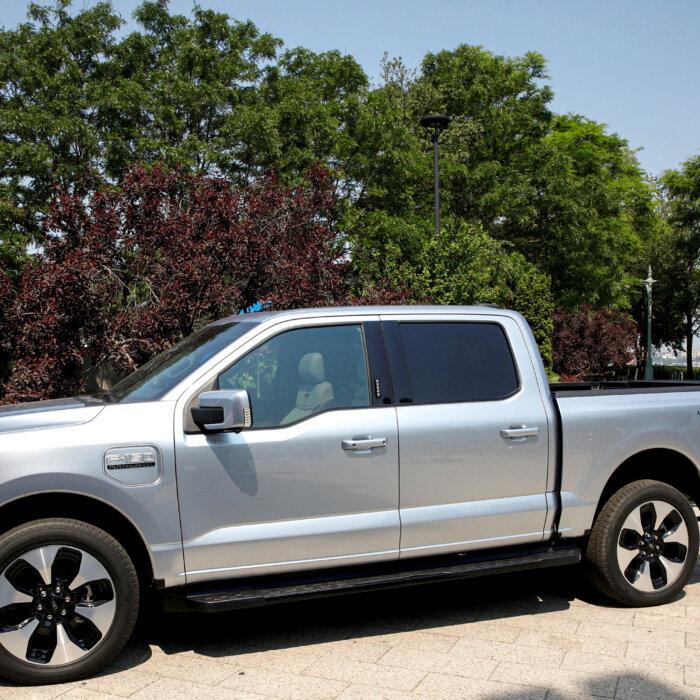
Automakers navigated supply-chain bottlenecks, unpredictable tariffs, and the removal of a $7,500 federal EV tax credit, factors that drove some consumers to dealer lots ahead of potential price increases.
“Our growth across record hybrid sales shows that our ‘power of choice’ approach—offering gas, hybrid, and electric—is exactly what consumers are looking for right now,” Frick said.
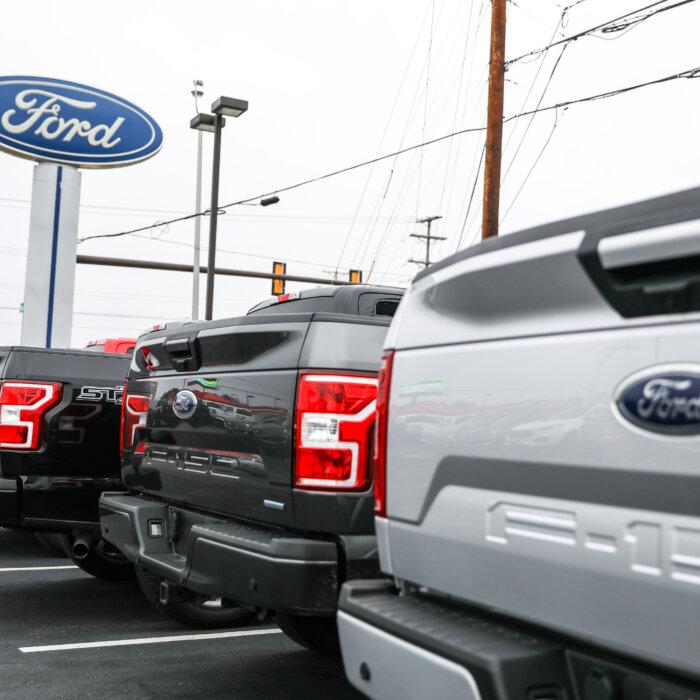
Demand also remained strong for Ford’s Maverick compact pickup, one of the most affordable trucks on the U.S. market. Maverick sales climbed about 18 percent to 155,051 vehicles in 2025, a record number that reflects buyers’ growing focus on lower-cost options. Sales of Ford’s F-series pickups—America’s best-selling truck—rose 8.3 percent for the year, with 828,832 units sold.
Looking ahead, analysts are divided on the outlook for 2026. Cox Automotive has forecast a 2.4 percent decline in U.S. auto sales, citing slower economic growth and reduced EV incentives, while Edmunds expects sales to hold steady or dip slightly. Lower interest rates and the return of maturing leases could provide some support as the year progresses.
“These dynamics set the stage for a more balanced and potentially stronger performance as 2026 progresses,” said Thomas King, president of OEM solutions at J.D. Power.