The Fed began raising rates from near zero in 2022 in a bid to rein in inflation. They peaked at 5.5 percent in 2023. The central bank then cut rates multiple times last year, bringing them down to a range of 4.25 to 4.5 percent.
“The Fed has the rates too high. And the question is when are they going to cut and find an exit strategy from what they’re doing,” Malpass said. “The Feds have created all these problems, these cycles of inflation and deflation. And I think there has to be a full remaking of their models. Trump’s trying to do that but it’s going to take time.”
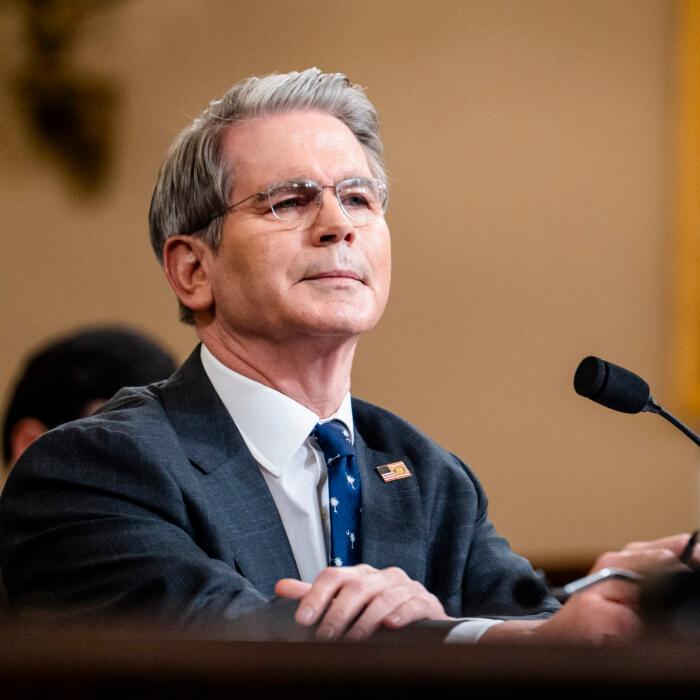
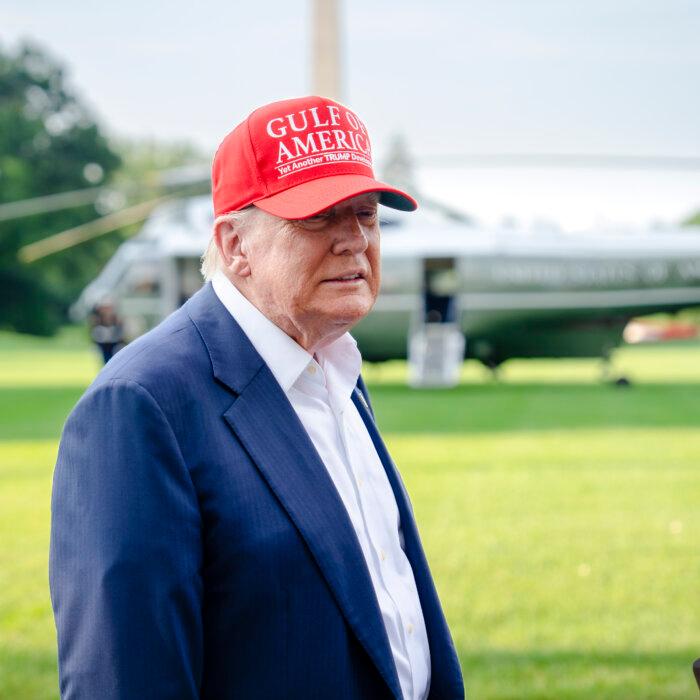
“For the time being, we are well positioned to wait to learn more about the likely course of the economy before considering any adjustments to our policy stance,” Powell said.
In his interview, Malpass contrasted the U.S. and European economies and their interest rates.
In Europe, economic growth is very slow, he said, adding the situation was “practically a recession all the time.” The central bank in Europe sees this as a good thing as they do not want to overheat the economy, Malpass said.
If the U.S. economy is run in the same way, “that’s really bad for the forgotten man,” he said. “Trump ran on the idea that there'd be higher median wages and especially manufacturing jobs and you can’t do that with the rates where they are.”
Fed Has ‘Failed’: Trump
President Donald Trump has been critical of the Federal Reserve for not lowering interest rates.With a benchmark target rate between 4.25 and 4.5 percent, the United States mirrors the rates of Cameroon, Guatemala, Israel, Vietnam, and Gabon.
Trump criticized Powell and the Fed Board, stating that they “have one of the easiest, yet most prestigious, jobs in America, and they have FAILED — And continue to do so.”
“If they were doing their job properly, our Country would be saving Trillions of Dollars in Interest Cost. The Board just sits there and watches, so they are equally to blame. We should be paying 1 percent Interest, or better!” he wrote.
During a conference hosted by the European Central Bank on Tuesday, Powell said that U.S. inflation is likely to pick up later this summer, though he acknowledged that the timing and magnitude of any price increase from the duties is uncertain.
He said the Fed will keep rates on hold while it evaluates the impact of tariffs on the U.S. economy.
“As long as the economy is in solid shape, we think the prudent thing to do is to wait and see what those effects might be,” Powell said, referring to the duties Trump has imposed this year.
The Fed chair also said that without tariffs, the Fed would probably be cutting its key rate right now. The central bank went on hold after it saw how large Trump’s proposed tariffs were, Powell said, and economists began forecasting higher inflation.
Powell did not rule out a rate cut at the Fed’s next policy meeting, scheduled for July 29–30.
The bank reasoned that the Fed may want to observe the effects of tariffs over the coming months and review inflation data from September and October before deciding on rate cuts.