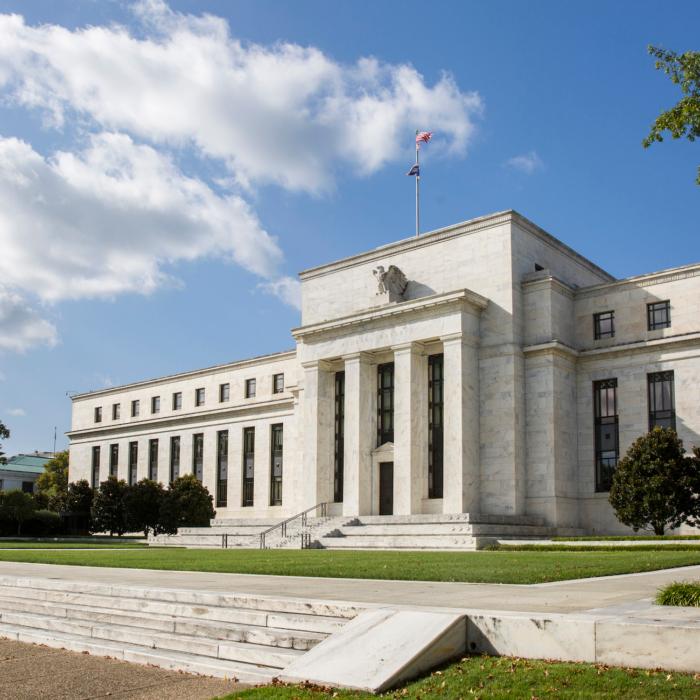
The Federal Reserve has adopted a draft proposal to ease a key capital requirement for the nation’s largest banks, aiming to reduce regulatory pressure that discourages them from holding low-risk assets such as U.S. Treasurys and to make it easier for these institutions to act as intermediaries in the Treasury market during times of stress, when liquidity is most needed.
Fed Chairman Jerome Powell, speaking before the vote, endorsed the proposal and pointed to the banking sector’s overall strength. But he warned that the current leverage rule may be over-calibrated, potentially discouraging banks from holding safe assets and contributing to market strain.
He noted that when leverage requirements are binding, they can discourage banks from participating in lower-risk, lower-return activities that support the U.S. financial system and economy, such as Treasury market intermediation.
The proposed rule would replace the current flat leverage buffer of 2 percent at the parent bank level and 6 percent at the subsidiary level with a variable buffer based on each bank’s systemic risk score.
The reductions apply to tier 1 capital—the core capital that includes common stock and retained earnings—used as a primary buffer to absorb losses during times of financial stress.
“The proposal will help to build resilience in U.S. Treasury markets, reducing the likelihood of market dysfunction and the need for the Federal Reserve to intervene in a future stress event,” Bowman said in prepared remarks. “We should be proactive in addressing the unintended consequences of bank regulation, including the bindingness of the eSLR, while ensuring the framework continues to promote safety, soundness, and financial stability.”
Christopher Waller, member of the Fed Board of Governors, likewise endorsed the plan, saying the current rule fails to distinguish between risky and safe assets.
Oppositions
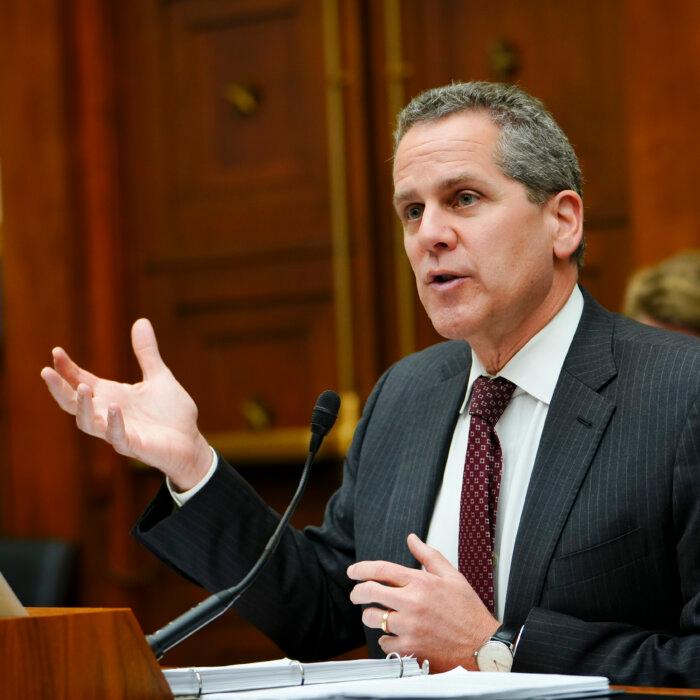
Two Fed governors voted against the measure, warning that easing the rule could weaken safeguards that protect the banking system in a crisis.Michael Barr, member of the Fed Board of Governors and the Fed’s former top regulatory official, criticized the proposal for significantly reducing bank-level capital and potentially encouraging firms to take on more risk or return capital to shareholders rather than expanding Treasury market activity.
“Taken together, these changes would significantly increase the risk that a GSIB bank would fail, orderly resolution would not be possible, and the Deposit Insurance Fund would incur higher losses,” he said, referring to the fund at the Federal Deposit Insurance Corp., which is used to protect depositors and cover losses when insured banks collapse.
Barr warned that with less capital on hand, large banks would be vulnerable in a crisis, potentially leaving the financial system—and taxpayers—more exposed.
Adriana Kugler, member of the Fed Board of Governors, also opposed the measure, saying she might have supported a narrower recalibration at the holding company level but could not back the deeper capital cuts proposed for bank subsidiaries.
“Banks do not play the same role, and I am not convinced that the benefits to Treasury market intermediation from the change at the bank-level justify the significant proposed reductions in tier 1 capital requirements, especially in light of the potential for elevated financial stability risk.”
The proposal also invites public comment on potential alternatives, including whether to exclude certain Treasury assets entirely from the leverage ratio calculation to further address concerns about U.S. Treasury market intermediation.