The costs of elder care have risen by around 50 percent over the past two decades, posing a major issue for many aging baby boomers who do not have sufficient resources to meet long-term care needs.
The median yearly cost of in-home care in the United States in 2021 was $61,776 for a home health aide, up more than 46 percent from $42,168 in 2004, according to a report by financial services firm Genworth. For homemaker services, the costs jumped from $38,095 to $59,448 during this period, a growth of 56 percent. During the five years between 2016 and 2021, the costs of both these services have increased by a compounded growth rate of more than 5 percent.
“The core driver of increases in the cost of care services remains supply and demand,” the report said.
“Every day until 2030, 10,000 baby boomers will turn 65, and seven out of 10 of them will require long-term care services at some point. The level of care needed by this rapidly aging population has itself increased over the years.”
The monthly median cost of homemaker services in 2021 was $4,957, which is expected to rise to $6,662 by 2031. Home health aide costs will increase from $5,148 to $6,918—an increase of more than 34 percent.
The costs of private nursing home rooms and assisted-living facilities have also seen similar increases over the last couple of decades.

The rising care costs pose a major headache for baby boomers because many do not even have retirement savings. Baby boomers, born between 1946 and 1964, are now in the age group of 59–77.
According to an April 19 analysis by advocacy group National Council on Aging (NCOA), for people aged 60 and older, “80 percent (47 million) do not have the financial resources to cover long-term care services or another financial shock.”
It found that “one in seven older adults will require care for more than five years.” However, “21–80 percent have modest assets but would still be unable to afford more than two years of nursing home care or four years in an assisted living community.”
“Since Medicare does not cover LTSS (long-term care services and supports) costs, older adults and their families must shoulder this financial risk or spend down their assets into poverty to qualify for social safety net programs such as Medicaid.”
Amid high health care costs, older Americans are being forced to cut down on basic necessities to get the medical care they require.
According to a June 2022 poll by Gallup, almost one in four older Americans in the age group of 65 and above cut back on at least one basic need to pay for health care.
Lower Social Security Payment Growth
As older Americans struggle with high care costs, they are set to experience a lower Social Security payment boost next year.The 2024 cost-of-living adjustment (COLA) increase for Social Security recipients is likely to be just around 3 percent, according to an estimate by The Senior Citizens League (SCL). This amounts to an increase of around $54 per the current average monthly benefit check of $1,789.
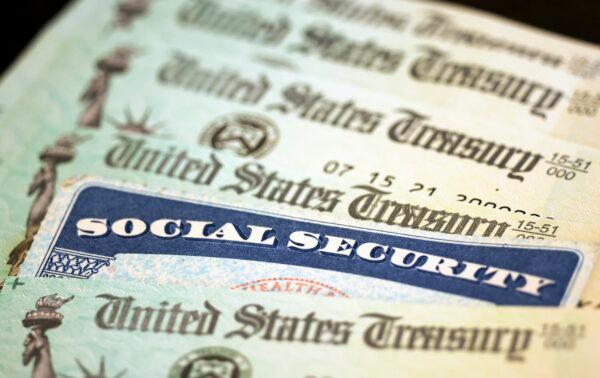
The 3 percent hike is far lower than last year’s payment boost of 8.7 percent, which was driven by high inflation.
“In 2023, Social Security recipients received the highest COLA in more than 40 years, but 79 percent of retirees report that lingering high prices continue to impact household budgets significantly,” the SCL said in an Aug. 10 press release.
Many beneficiaries are also being burdened with tax issues they never had to face before.
“More than one in five Social Security beneficiaries (23 percent) report they paid tax on a portion of their benefits for the first time this past tax season. The tax return for 2022 reflected a 5.9 percent COLA increase in Social Security benefits,” it said.
Seniors Worried About Retirement Savings
According to a June 2021 study by the Center for Retirement Research at Boston College, around one-quarter of 65-year olds will have severe LTSS needs, “22 percent will experience minimal needs, and 38 percent will experience moderate needs.”“A number of other studies have estimated that 35–59 percent of households will need some form of nursing home care, either short or long-term. Many of those individuals have high-intensity needs, even if for only a short period, and our estimates show that about 50 percent of individuals will fall in that category.”
However, many Americans who are on the path to retirement are worried about whether they will have enough money saved up to meet their care costs.
A survey by American Advisors Group earlier this year found that “a runaway majority of seniors think the United States is in a retirement savings crisis.” When asked whether such a crisis exists, 89 percent of seniors responded positively.
Forty-three percent of seniors rated the condition of their retirement savings as “fair to poor.”
While 47 percent of seniors said they find it difficult to save for retirement, 44 percent felt they have not saved enough money to retire comfortably.
“Making ends meet has become a pain point for nearly four of 10 seniors,” it said, and “57 percent of seniors say they are only somewhat optimistic or not optimistic at all that their level of savings will last through retirement.”
Without sufficient savings, retired Americans will have to rely on income from Social Security to cover their care costs since Medicare does not cover assisted living facilities or nursing home stays.