The standoff between the media giants comes amid a wider industry battle over streaming costs and market shares.
YouTube has partnerships with content providers such as Disney, Fox, Paramount, and CNN to offer their channels through its subscription-based streaming service, YouTube TV.
Affected Disney networks include ABC News Live, ABC, ESPN, Nat Geo, FX, Nat Geo Wild, and Disney Channel.
The statement from YouTube said that Disney’s proposed terms would raise prices for its subscribers and benefit Disney’s own live TV services, including Hulu + Live TV.
Disney accused YouTube TV of failing to offer fair rates.
‘Market Dominance’
YouTube has been locked in negotiations this year with a number of firms threatening to pull their media networks from the platform.“Our contract with Disney has reached its renewal date, and we'll not agree to terms that disadvantage our members while benefiting Disney’s TV products,” the YouTube TV statement said.
“With a $3 trillion market cap, Google is using its market dominance to eliminate competition and undercut the industry-standard terms we’ve successfully negotiated with every other distributor,” Disney said in a statement.
YouTube TV said it will compensate subscribers with a $20 credit if the Disney networks remain unavailable on the platform for an extended period of time, without specifying how long this would need to be.
The pay-TV platform dropped Spanish-language network Univision last month after a failed contract deal.
Previous Disputes
Without disclosing financial details, Fox said in a statement that its full profile of networks—including Fox News Channel, Fox Business Network, Fox Sports, and local Fox stations—would be renewed for broadcasting on YouTube TV.YouTube had said that Fox was asking for fees “far higher” than those paid to other partners producing similar content.
Paramount previously cited “one-sided terms” and “non-market demands” as the chief reasons for stalled negotiations.
YouTube TV has faced other contract distribution disagreements, including a two-day blackout in a dispute with Disney in 2021 that revoked subscriber access to channels such as ABC, ESPN, and FX.
Frustrated Customers
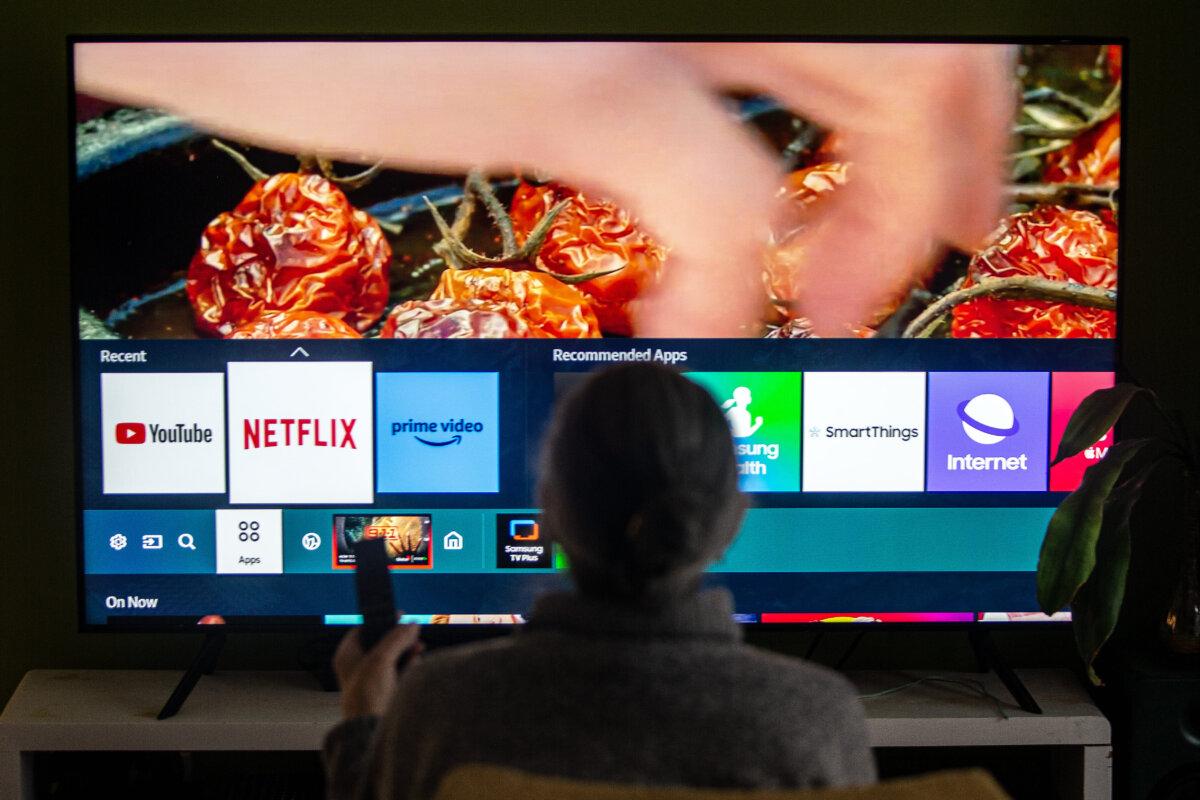
Subscribers and others commenting on social media expressed frustration with both companies.According to the latest figures from audience analytics company Nielsen, streaming accounted for almost half (47.3 percent) of all TV viewing in July.
Nielsen’s The Gage—which is a monthly snapshot of total streaming, cable, and broadcast consumption through a television screen—found that the streaming share was followed by cable (22.2 percent), broadcast (18.4 percent), and other sources (12.1 percent).
In the competition for streaming, YouTube Main (excluding YouTube TV) set a platform record in July, with 13.4 percent of the viewership, followed by Netflix at 8.8 percent, with the sharpest increase among the different age demographics happening with the 18–24-year-olds.
Nielsen reported in June that streaming had hit a then-record 44.8 percent of total TV usage in May, more than broadcast (20.1 percent) and cable (24.1 percent) combined, adding that if its growth continued, streaming would likely exceed traditional TV viewership as the most popular way to watch shows in the near future.