Delta Air Lines reported a sharply improved first-quarter profit on April 8, but struck a cautious tone for the current quarter, as higher jet fuel costs weigh heavily on its margins.
For the first quarter of 2026, Delta reported a net loss of $289 million on revenue of $15.9 billion. Excluding gains and losses on equity investments, debt extinguishment costs, and gains on investment sales, the Atlanta-based airline posted an adjusted net profit of $423 million, about 45 percent higher than a year earlier.
Delta said it paid an adjusted average of $2.62 per gallon in the March quarter, up 7 percent from the year-ago period. For the second quarter, the airline expects an all-in fuel price of about $4.30 per gallon, a level that would increase fuel expense by more than $2 billion from a year earlier based on the current forward curve.
For now, Delta said it plans to offset some of the cost pressure by removing all previously planned flight-capacity growth from its second-quarter schedule, amounting to about a 3.5 percent reduction from prior plans. The cuts are expected to fall mostly on less profitable flying, including overnight red-eyes and weaker midweek departures.
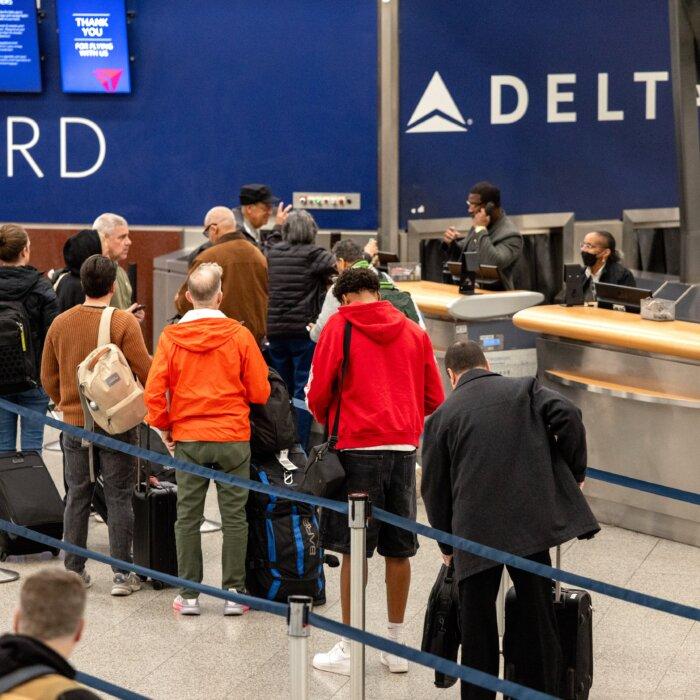
“Demand remains strong, and we are taking actions to protect our margins and cash flow,” Delta CEO Ed Bastian said in a statement. “This includes meaningfully reducing capacity growth, with a downward bias until the fuel environment improves, and moving quickly to recapture higher fuel costs.”
At the same time, Delta said it expects a roughly $300 million net benefit from its refinery in the second quarter. Because of the lagged effect of the fuel-price spike, the refinery contributed only about $60 million in the first quarter.
For the June quarter, Delta forecast pretax profit of about $1 billion and said revenue should grow by a “low-teens” percentage from a year earlier. The company also guided to adjusted earnings of $1.00 to $1.50 per share, though that outlook came in below some Wall Street expectations.
Rival carriers such as United Airlines and JetBlue have already raised baggage fees. Southwest Airlines, which has long allowed the first two bags for free, has also moved to limit that benefit to certain customers.